Carnival on Lake Constance: Living traditions in the four-country region
Four countries celebrate the fifth season
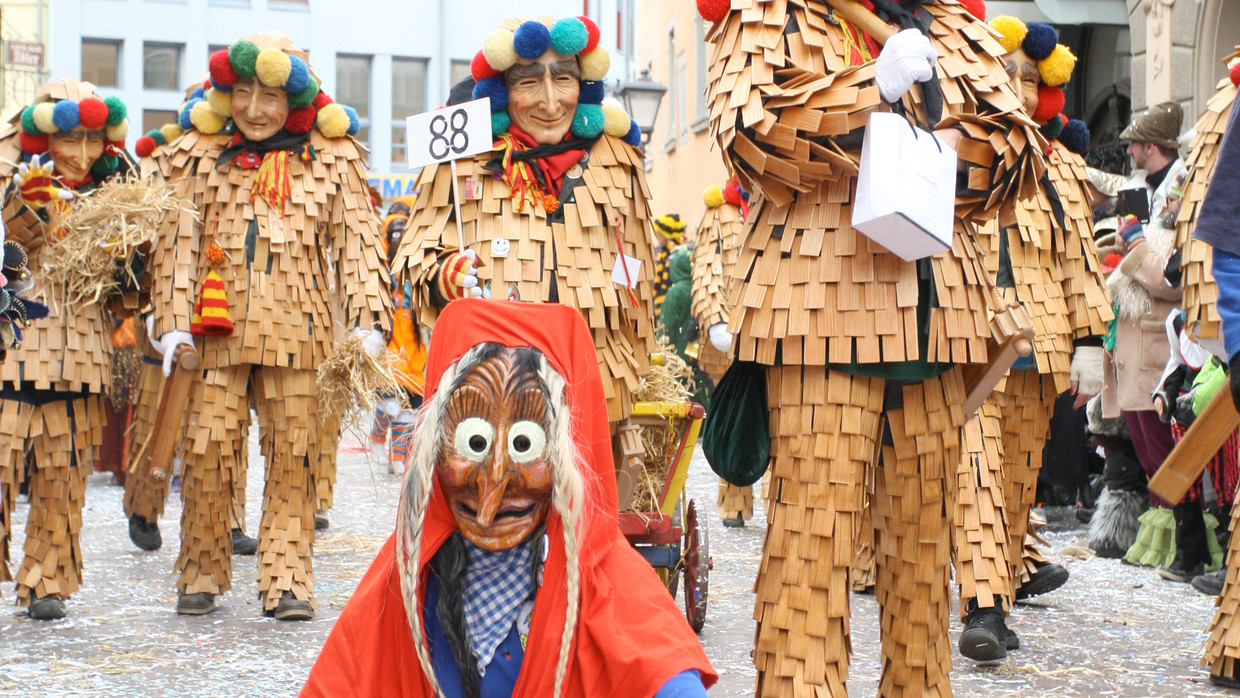
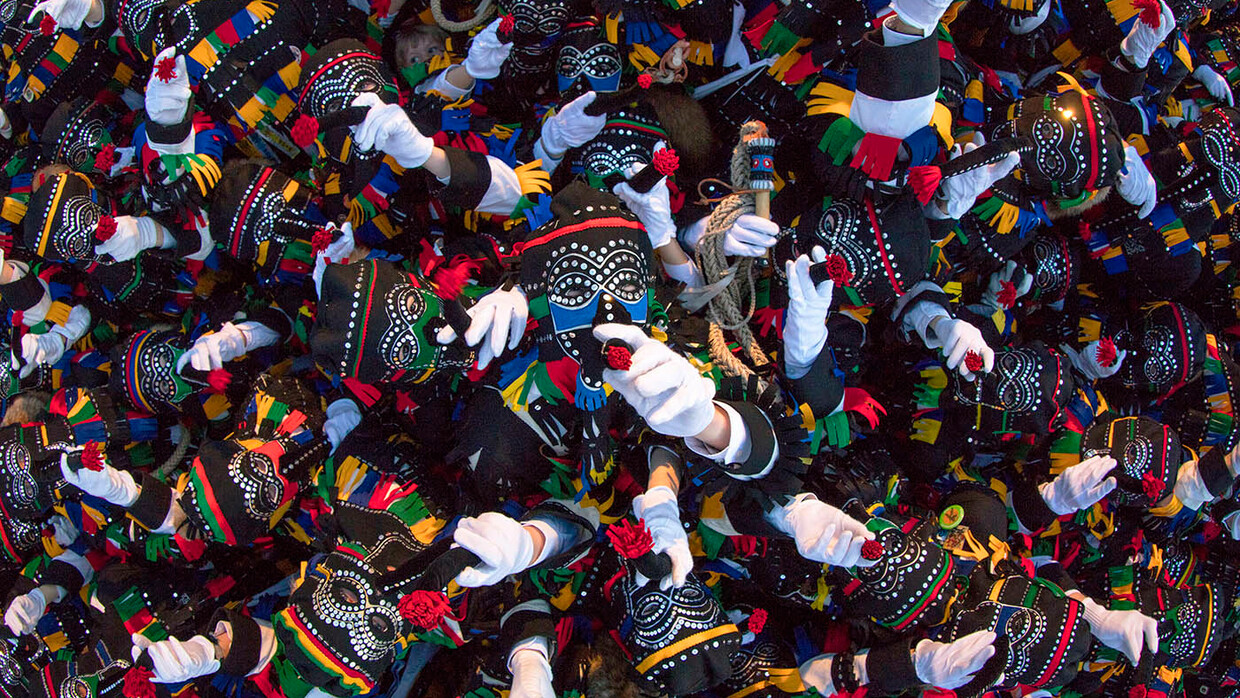
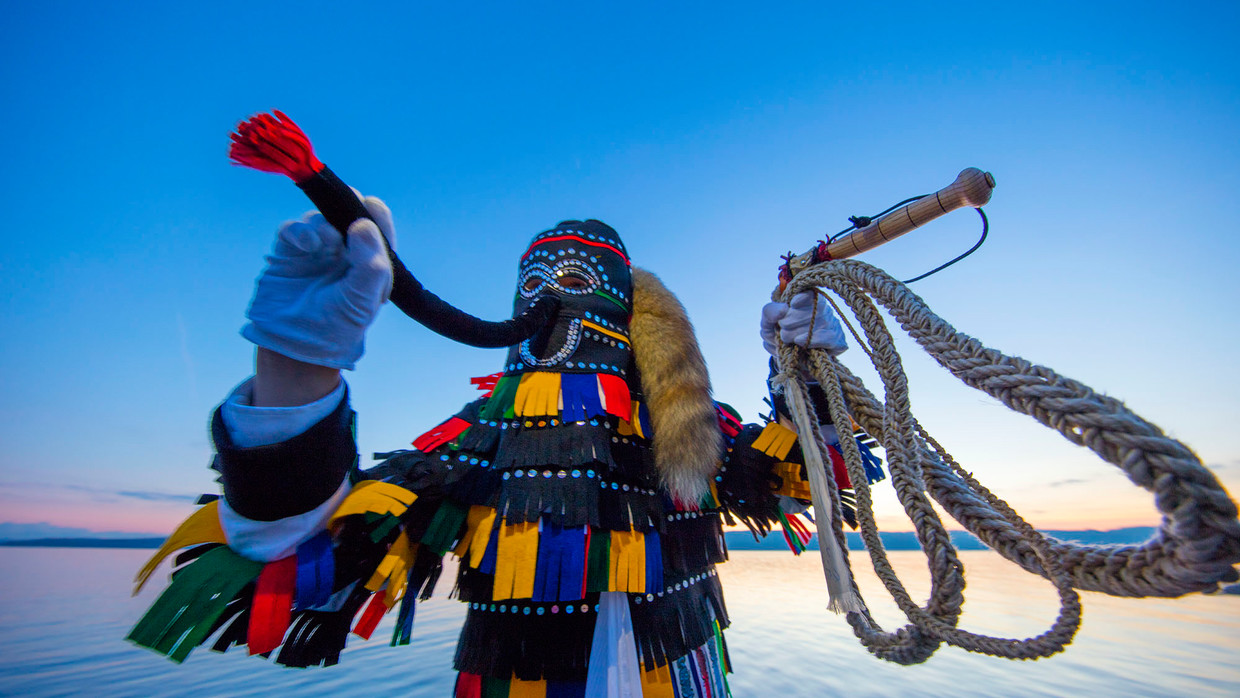
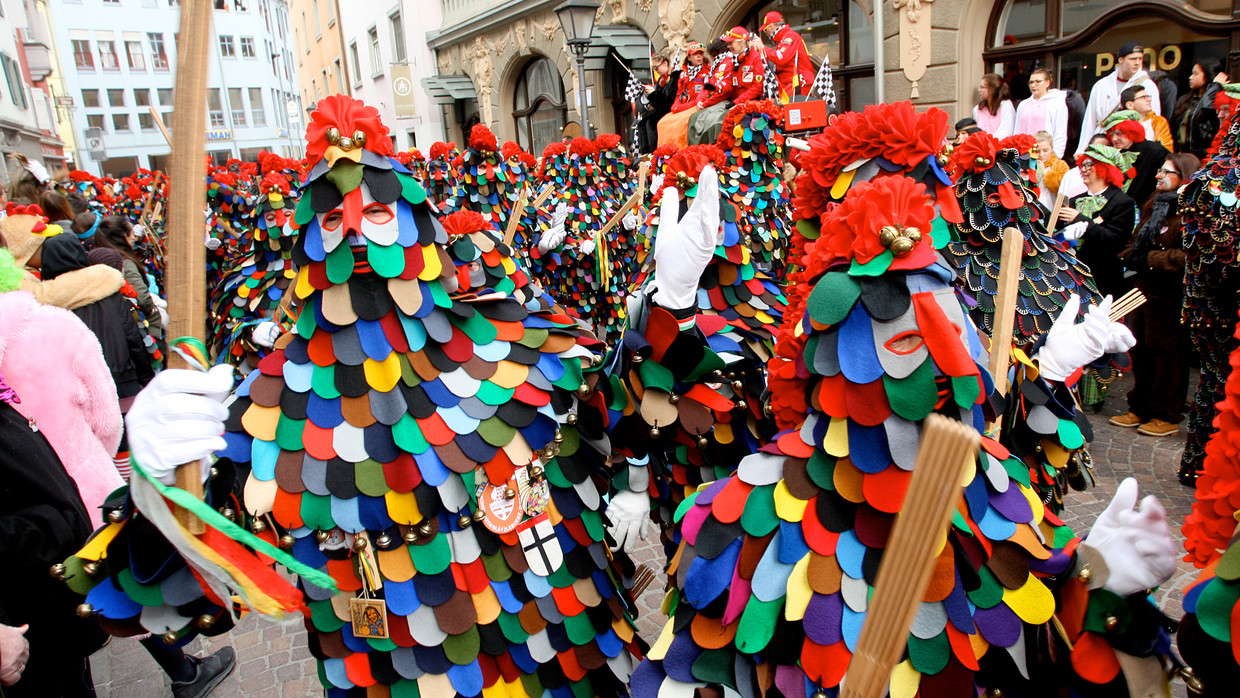
When drumbeats echo through the alleys, intricately carved wooden masks adorn the streets, and festive revelry drives away winter, the fifth season begins around Lake Constance. Carnival on Lake Constance is one of the cultural highlights of the winter months and has been celebrated in the four-country region for centuries. In Germany, Switzerland, Liechtenstein, and Austria, it brings people together across borders and highlights Lake Constance as a shared cultural space.
Highlight of the carnival season
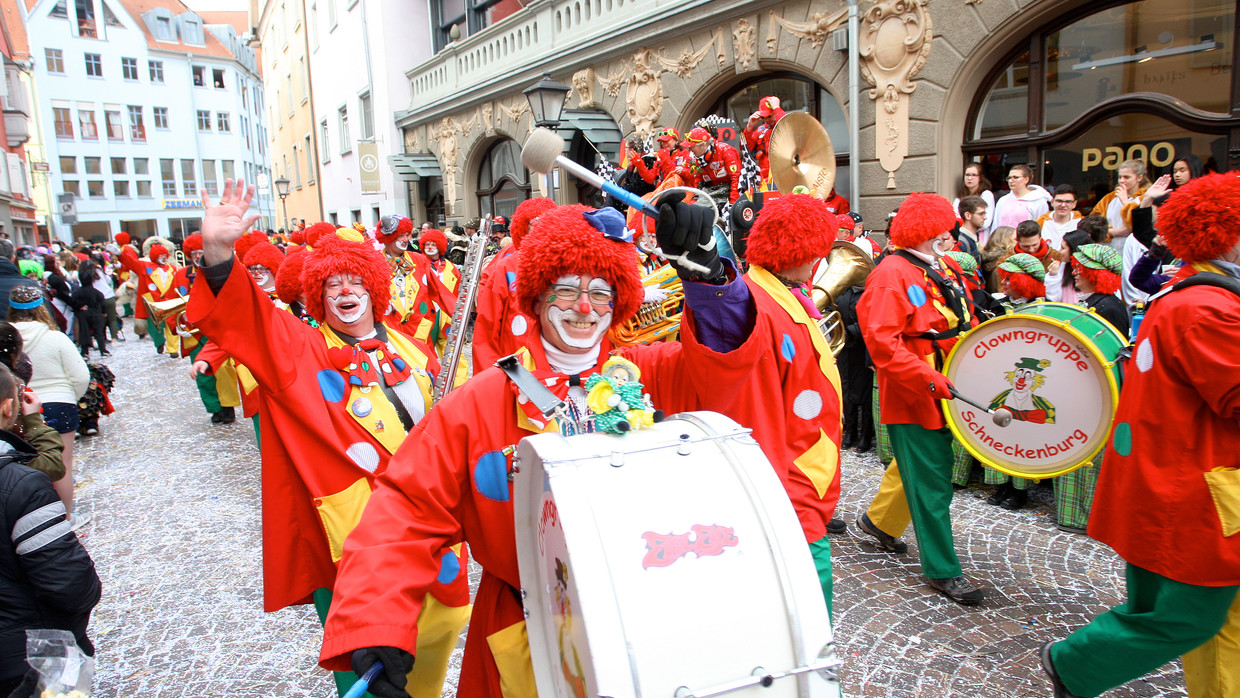
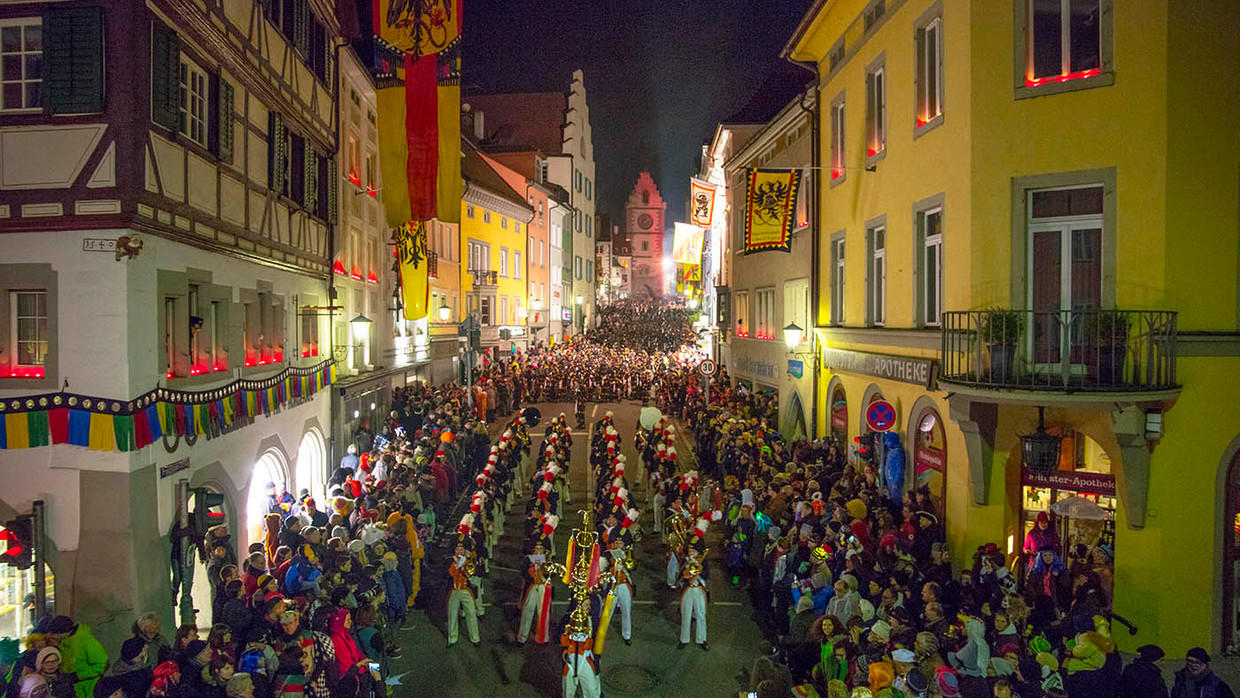
Shortly before the beginning of Lent, the carnival celebrations intensify: across national borders, parades, masks, and communal rituals shape public life. Historical figures, traditional customs, and firmly established rituals connect local identity with cross-border proximity.
Carnival in the German Lake Constance regions
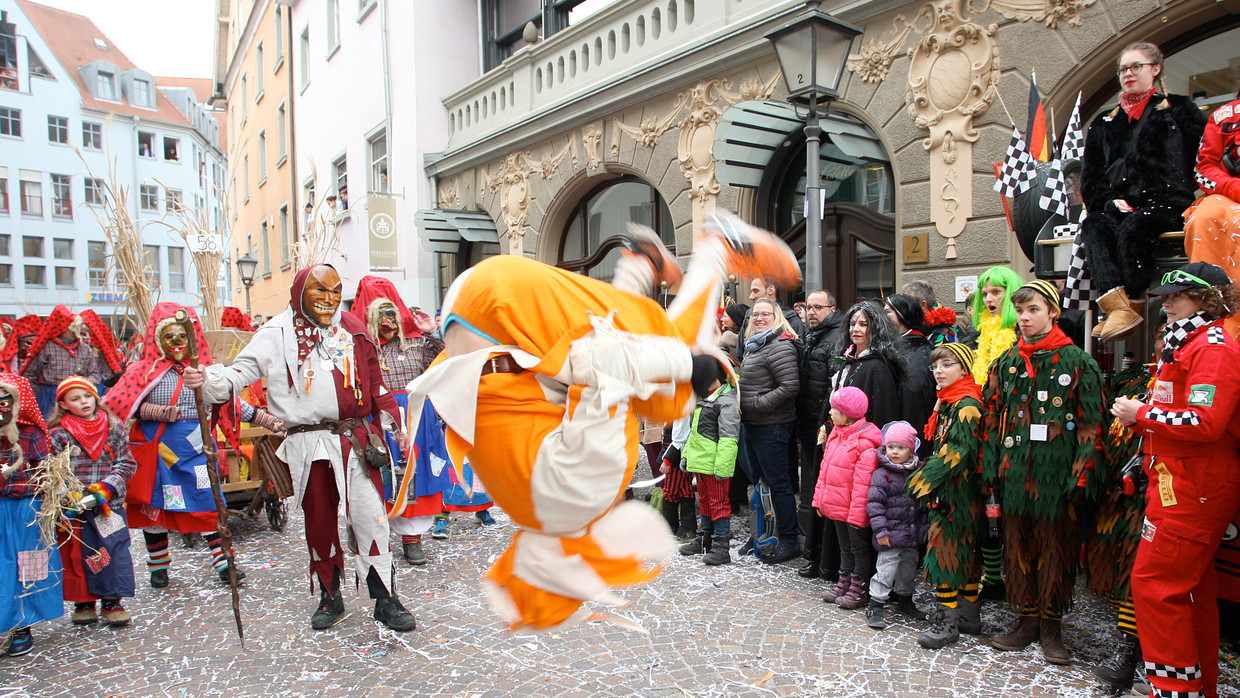
Traditional fool's jumps, guild events, and historical masks characterize the townscape. Cities such as Konstanz, Überlingen, Meersburg, and Stockach are examples of the diversity of regional figures and rituals. In Stockach, the Fools' Court, which has existed since 1351, is a cultural fixture. Meersburg is also celebrating a special carnival anniversary this year. First mentioned in documents in 1360, the city can look back on 666 years of carnival tradition. The anniversary is complemented by several milestone birthdays within the Schnabelgiere Meersburg e. V. fools' guild, which underline the lively and cross-generational anchoring of the custom.
Events:
Carnival on the northern shore of Lake Constance
Carnival on the western shore of Lake Constance
Carnival in the Swiss Lake Constance regions
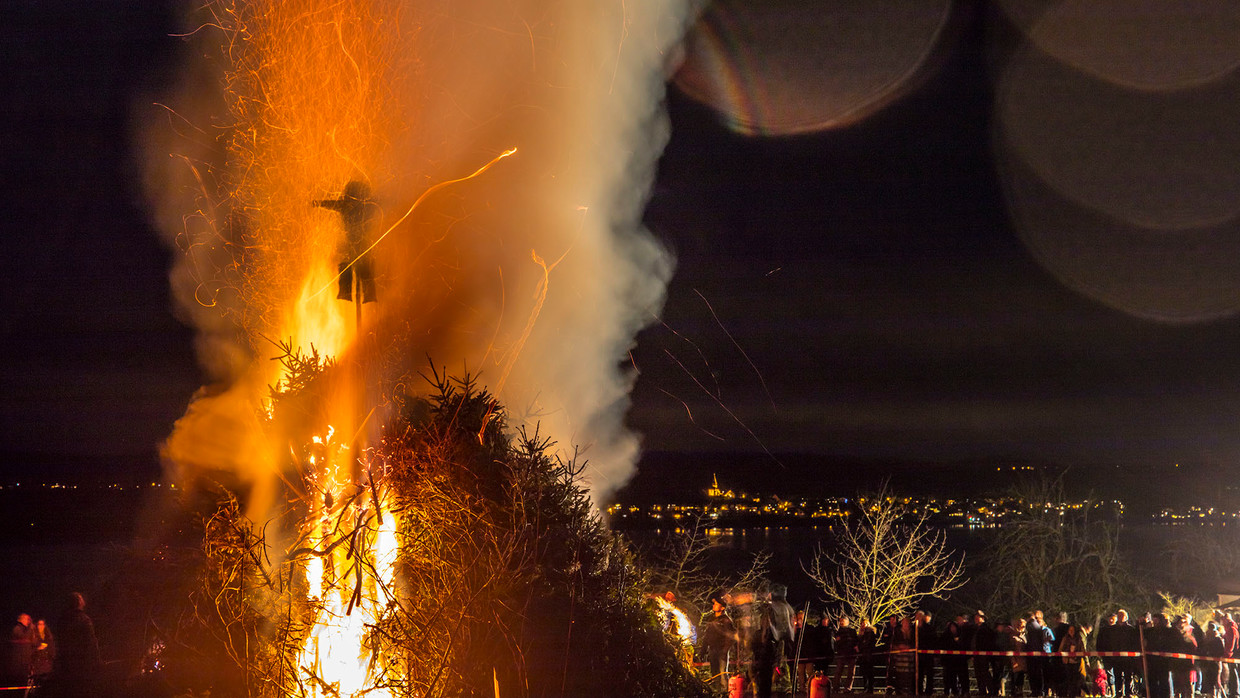
In the cantons of St. Gallen, Thurgau, and Schaffhausen, Guggenmusik, Schnitzelbänke, and lively street carnivals characterize the festive season. Rhyming satirical verses, musical performances, and communal rituals are just as much a part of it as local peculiarities, such as the Groppenfasnacht in Ermatingen, known as the “last carnival in the world.” It takes place after the official end of carnival on Funkensonntag (Bonfire Sunday), a custom that dates back to historical transport connections. To this day, this tradition marks an independent, deliberately delayed end to the carnival season.
Events:
The Swabian-Alemannic Fasnacht is much more than a series of events: it represents centuries-old customs that are still alive and well today. This cultural significance was also officially recognized in 2014: the Swabian-Alemannic Fasnacht was added to the nationwide list of intangible cultural heritage by the German UNESCO Commission.
Carnival in the Austrian Lake Constance region
In Vorarlberg, carnival combines Alemannic roots with regional Alpine customs. The festive season begins in November for some and is characterized by club activities, parades, and communal rituals. Culturally and historically, there are close links to Krampus and Perchten customs, which date back to pre-Christian winter rituals. Demonic masks and archaic figures characterize the carnival celebrations and make Vorarlberg a cultural link between Alemannic carnival and Alpine customs.
Events:
Carnival in the Principality of Liechtenstein
Carnival is firmly anchored in the annual calendar here: parades, masked balls, and street carnival celebrations shape public life. Characteristic figures are the Föbinen and Föbüs, artistically carved masks that bring regional customs to life. An important milestone was the first organized carnival parade in Schaan, which marked the beginning of a tradition that is still alive today and underlines the open character of Liechtenstein carnival.
Evetns:
Authentic access for guests
For visitors, Fasnacht on Lake Constance offers an authentic insight into one of the most diverse carnival scenes in the Alemannic region. Away from large-scale events, the focus is on historic town centers, traditional parades, and community spirit. Fasnacht makes Lake Constance visible as a shared cultural space during the winter months.