


Lindau
Old Cemetery in Aeschach
Brief Description
The “Black Death” is responsible for the most devastating epidemics in human history. Lindau, too, was spared…
Detailed Description
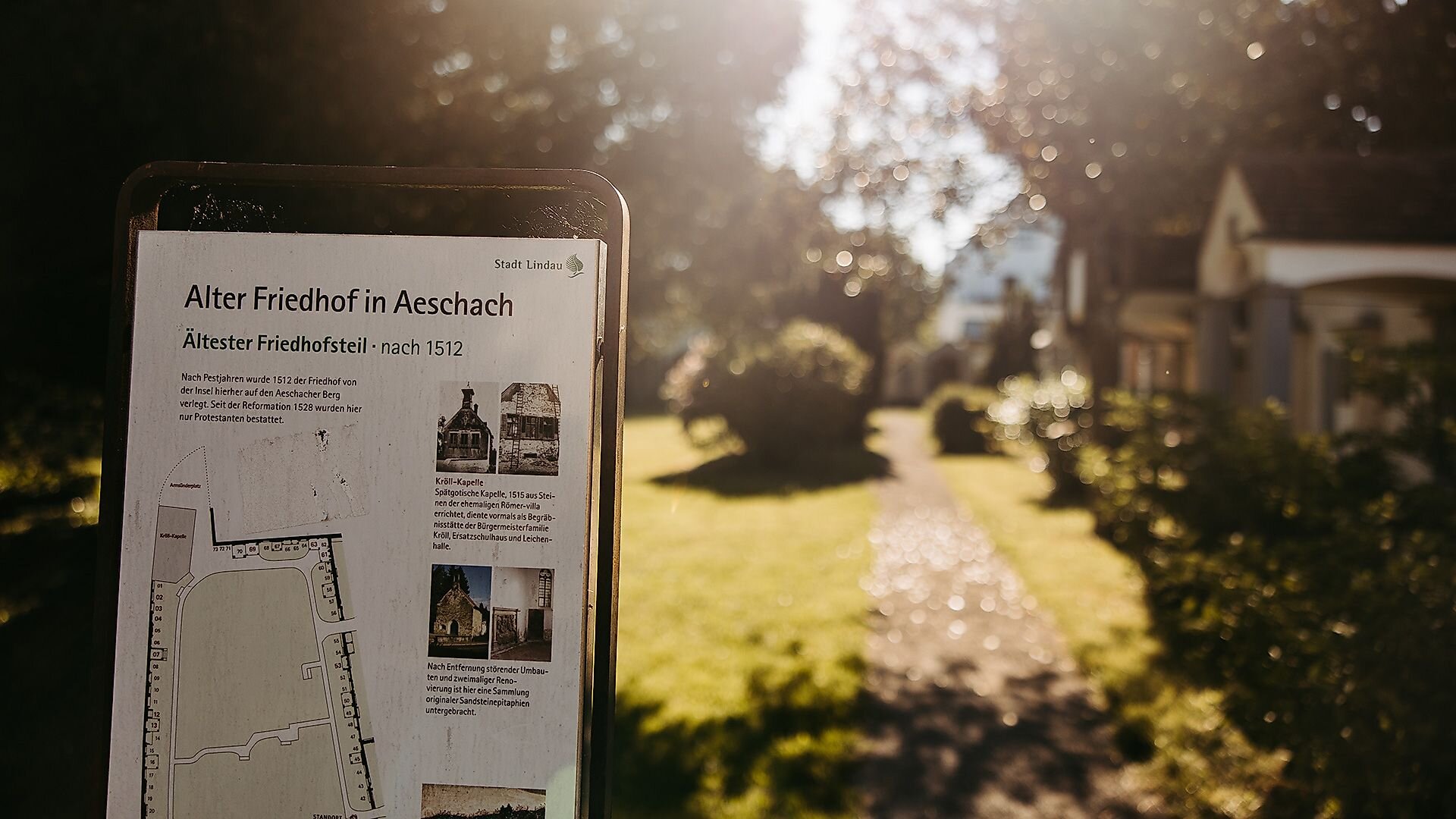
The “Black Death” was responsible for the most devastating epidemics in human history. Lindau was not spared either. Around 1510, the plague raged so fiercely that there was no more room for graves! A new cemetery was needed. But it had to be built outside the city—which, given its location on the Aeschacher Berg, was quickly settled.
Built with Roman terracotta bricks
Perhaps necessity and opportunity alike were the deciding factors in establishing the cemetery here. After all, there were conveniently enough stones lying around in the immediate vicinity. Today we know that these stones, which were used for the cemetery wall and the construction of the chapel, were the remains of a long-since-ruined Roman villa. This, in turn, is evidence of the great importance the region held for the Roman Empire. Some terracotta fragments are still visible today in the chapel’s masonry.
The late-Gothic structure was consecrated in 1520. However, those buried here could not hope for the proverbial peace—at least not in the long run. Over the centuries, the cemetery underwent various changes. In the wake of the Reformation, only Protestants were initially to be buried on the grounds after 1528—while centuries later, after Lindau became part of Bavaria in 1806, the Catholic population grew significantly and, in turn, required its own section of the cemetery.
All the world’s toil is in vain
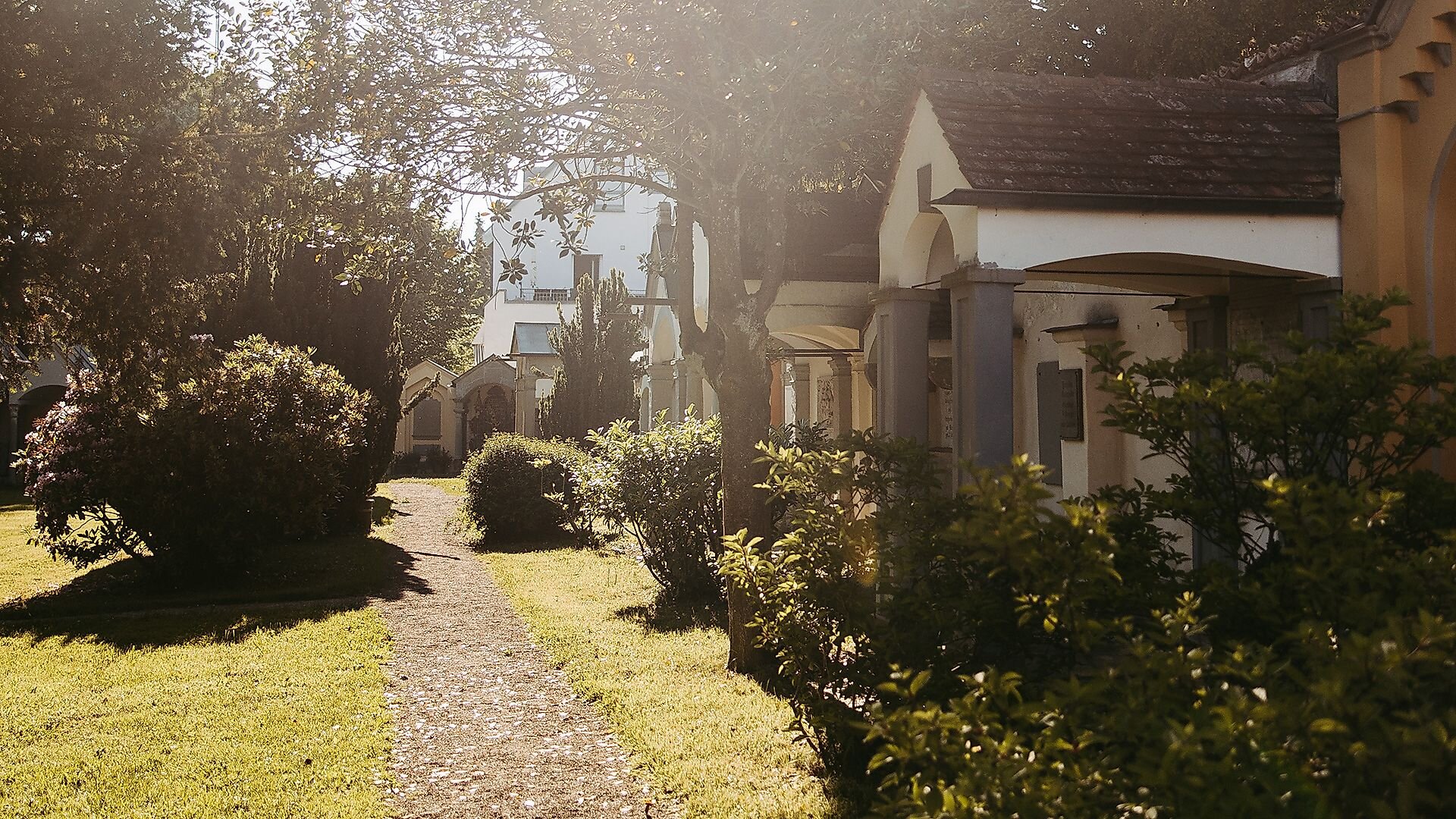
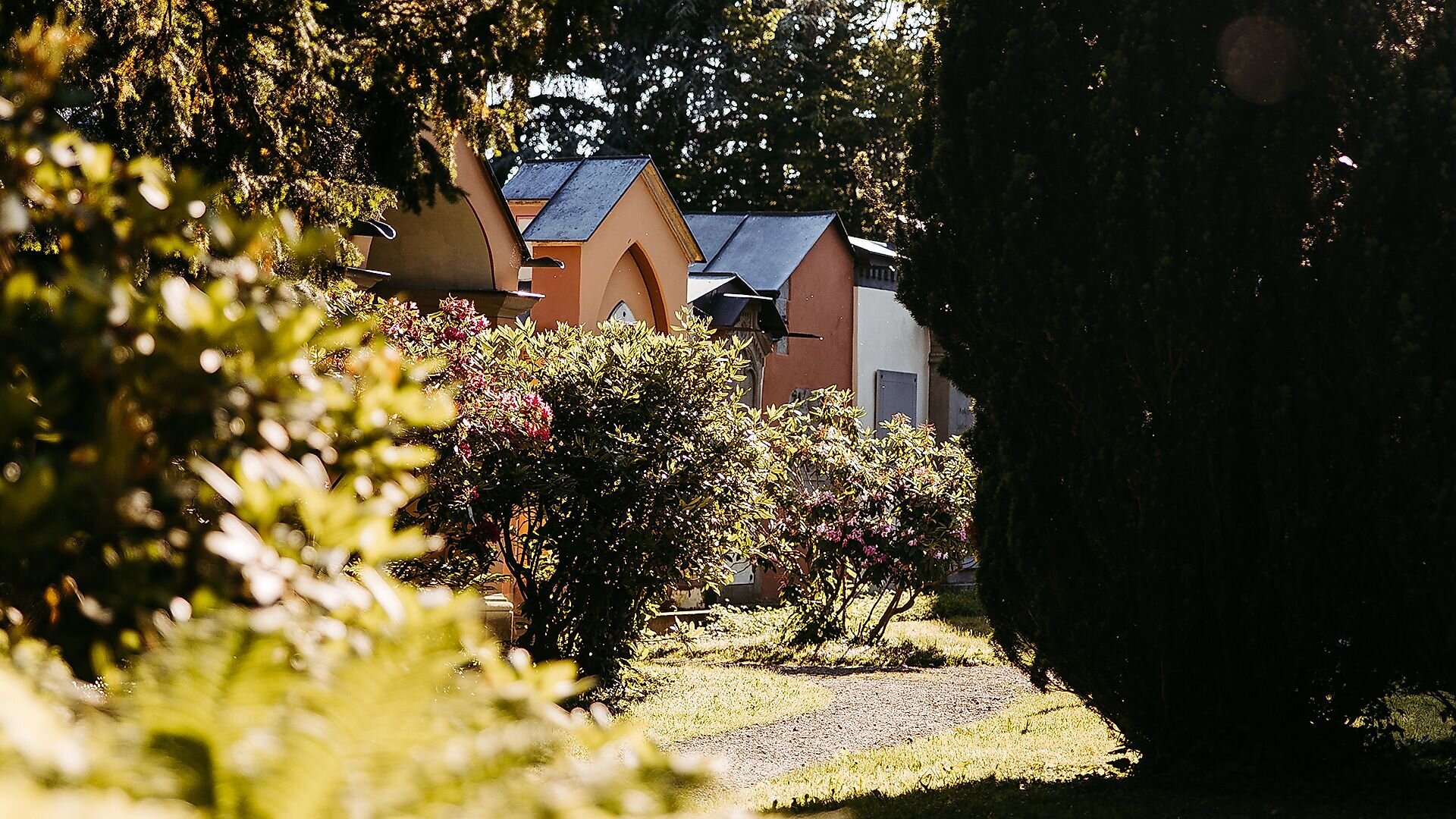
In 1914, the “Gottesacker” was abandoned and, from around 1920 onward, was “left to its own devices,” as the saying goes. It was not until 1941 that the chapel and cemetery were designated as historic landmarks. However, even this step could not prevent the worst from happening: In the past, wealthy residents of Lindau—following the Italian ideal—had themselves buried in elaborately designed graves along the cemetery wall. After all, it was their wealth that made the construction of the chapel possible in the first place. Yet these graves fell victim to the conversion into a park in 1961.
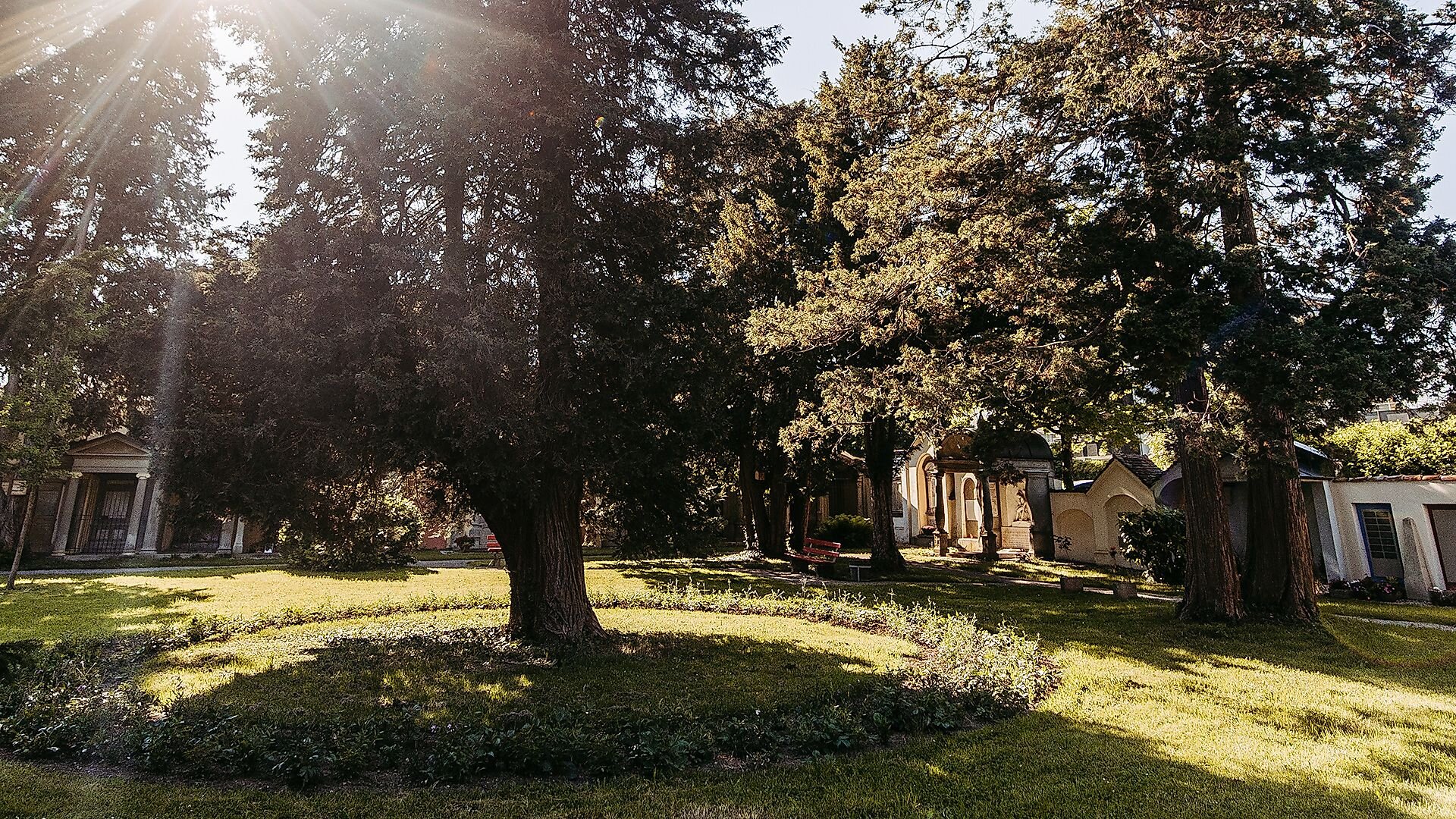
Today, nevertheless, visitors immediately sense upon entering the grounds that this place holds great historical significance for Lindau. A dedicated support association has been working to preserve the cemetery since 2003. Thus, one can still easily imagine what made this spot—remarkably quiet despite the city noise—the ideal final resting place. Even after 500 years, people still wish to be buried here. Since 2010, urn burials have once again been permitted at the Old Aeschach Cemetery.
Location
- Address
-
Old Cemetery in Aeschach
Anheggerstraße
88131 Lindau
