


AT · Bregenz
Oberstadt, Bregenz
Description
Historic Site Above the City Center
Brief Description
Historic Site Above the City Center
Description
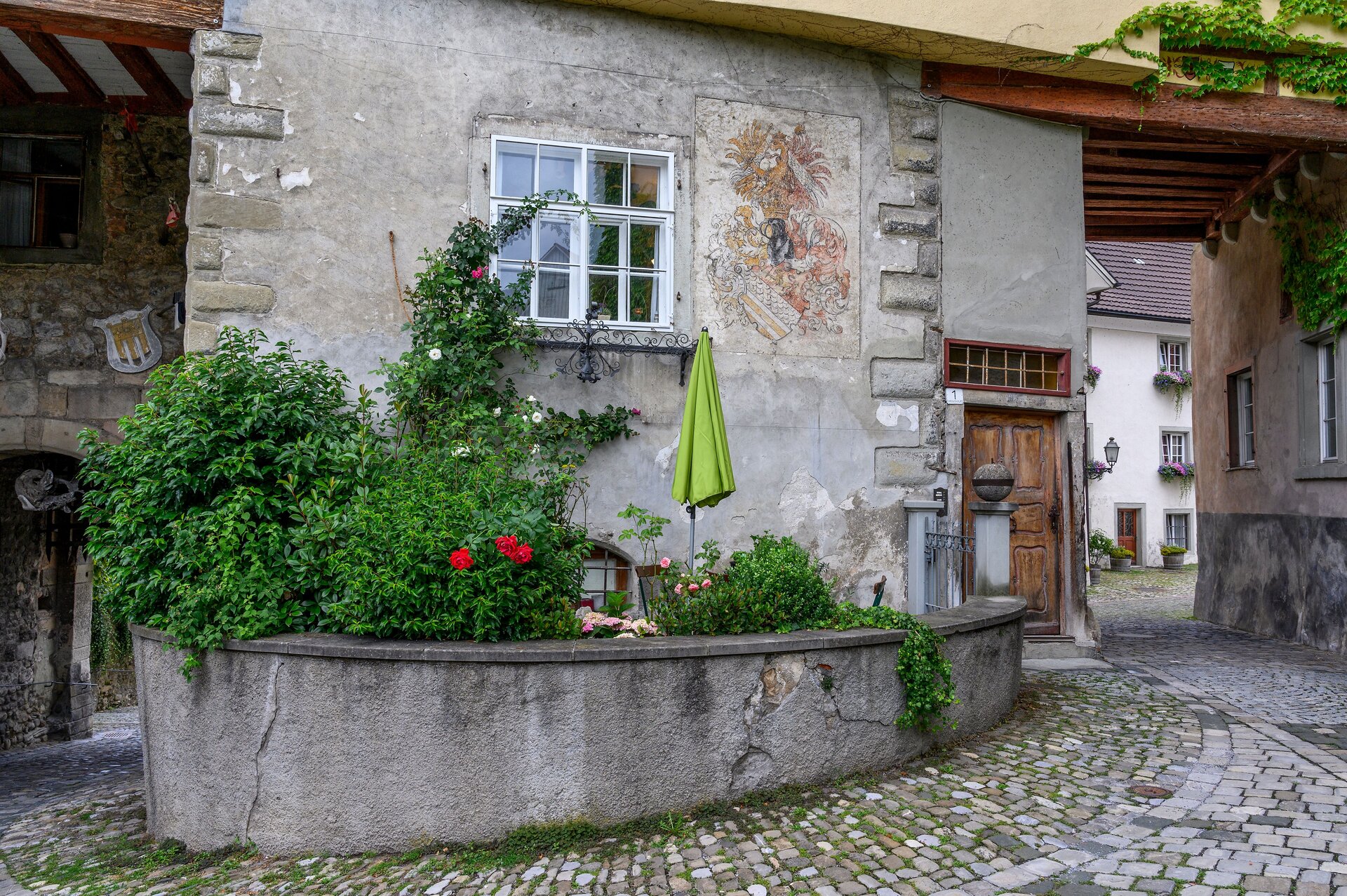
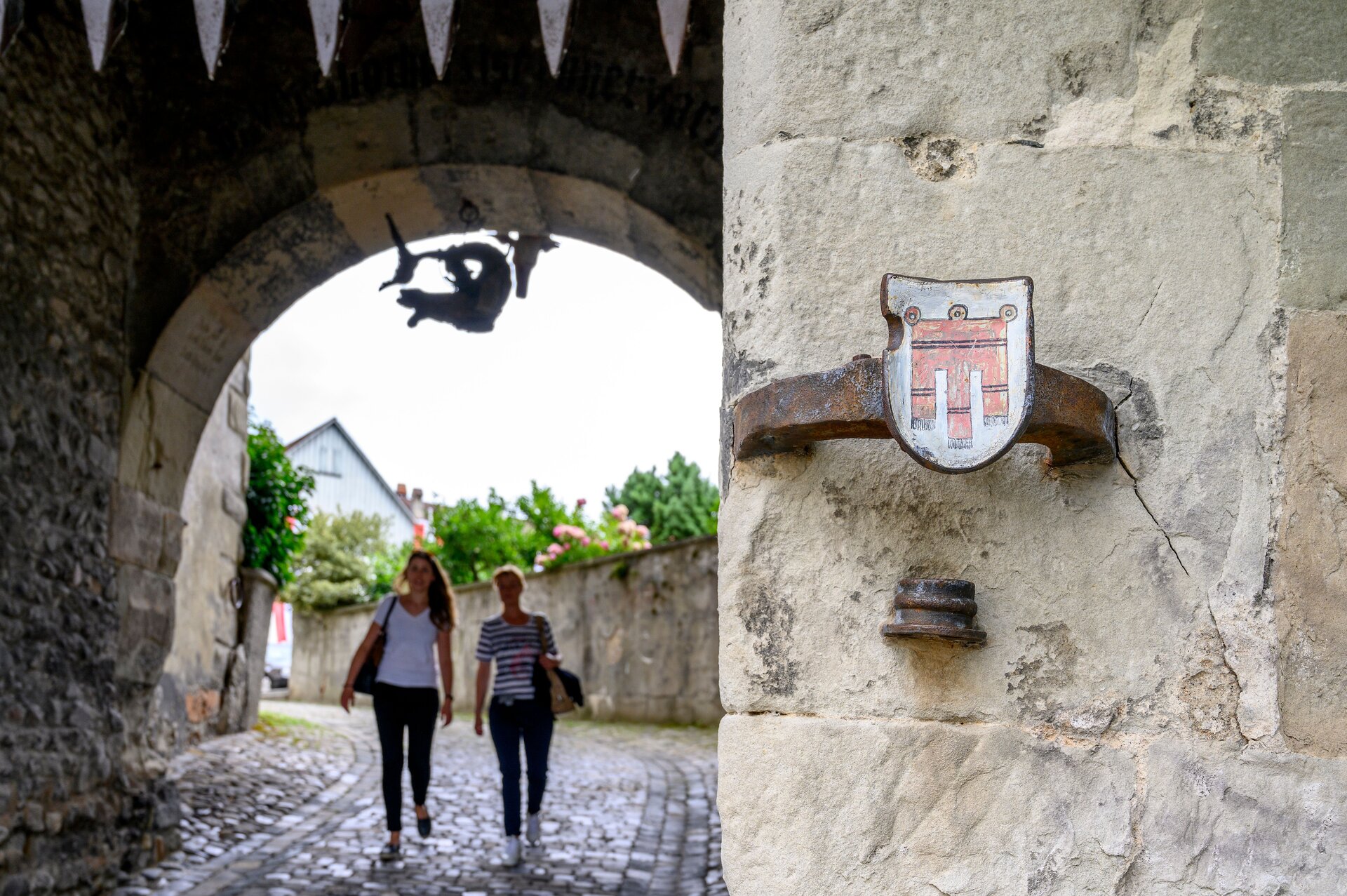
Just a few minutes from the new city center, the Upper Town rises up, giving you a sense of the town’s history. Founded in 1250 by the Counts of Montfort as a medieval town, it is protected by a city wall that is still largely intact. Via the picturesque Meißnerstiege, you can walk from St. Gallus Church to one of the town’s most famous buildings—the Deuringschlösschen. Originally a medieval structure, it was transformed into a Baroque gem around 1660; today, it is a renowned gourmet destination. In the central Ehregutaplatz stands the Montfort Fountain, featuring a sculpture of the minstrel Hugo XII of Montfort. The square itself is named after a courageous elderly woman who, by a stroke of luck, warned the city of an impending Swiss attack during the Appenzell War, thereby saving it. In the rear part of the Upper Town, you’ll also find Bregenz’s old town hall—a half-timbered building from 1662—and the former prison. The Montfort Castle once stood on this very spot; today, the building houses the Federal Monuments Office. If you follow the old alleys back toward Ehregutaplatz, you’ll find the Martinsturm in the northeastern corner of the city wall. It dominates the cityscape even from a distance and is considered the landmark of Bregenz. Its dome is the largest onion dome in Central Europe, and the tower—raised in 1601—is the first Baroque structure in the Lake Constance region. From here, you can pass through the lower gate entrance along the Stadtsteig to reach the former suburbs. The mummified shark in the archway is said to protect the city from evil. The coats of arms belong to the Counts of Bregenz and Montfort—the city’s former rulers. Take this opportunity to visit this place where history comes alive.
Hours of Operation
May–October, Tue–Sun, 10 a.m.–6 p.m.
Location
- Address
- Oberstadt, Bregenz 6900 Bregenz, Austria
(c) Amt der Vorarlberger Landesregierung - Abteilung Kultur