


Neuburg Castle Ruins, Koblach
Description
Brief Description
Description
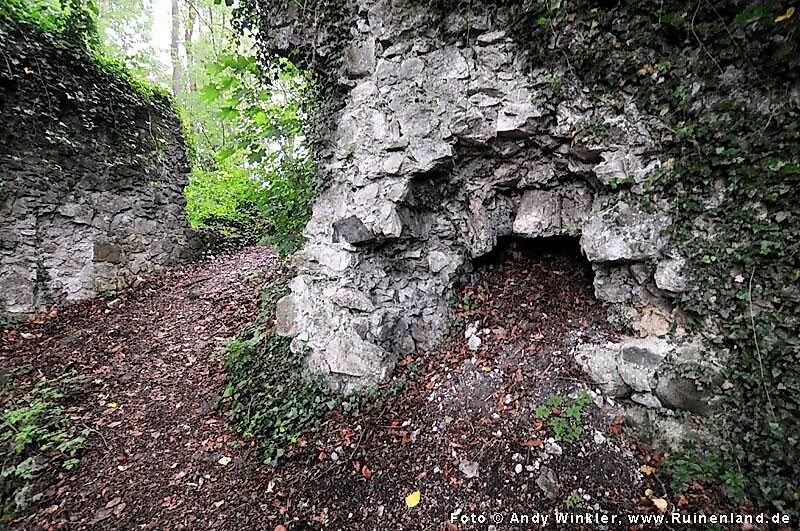
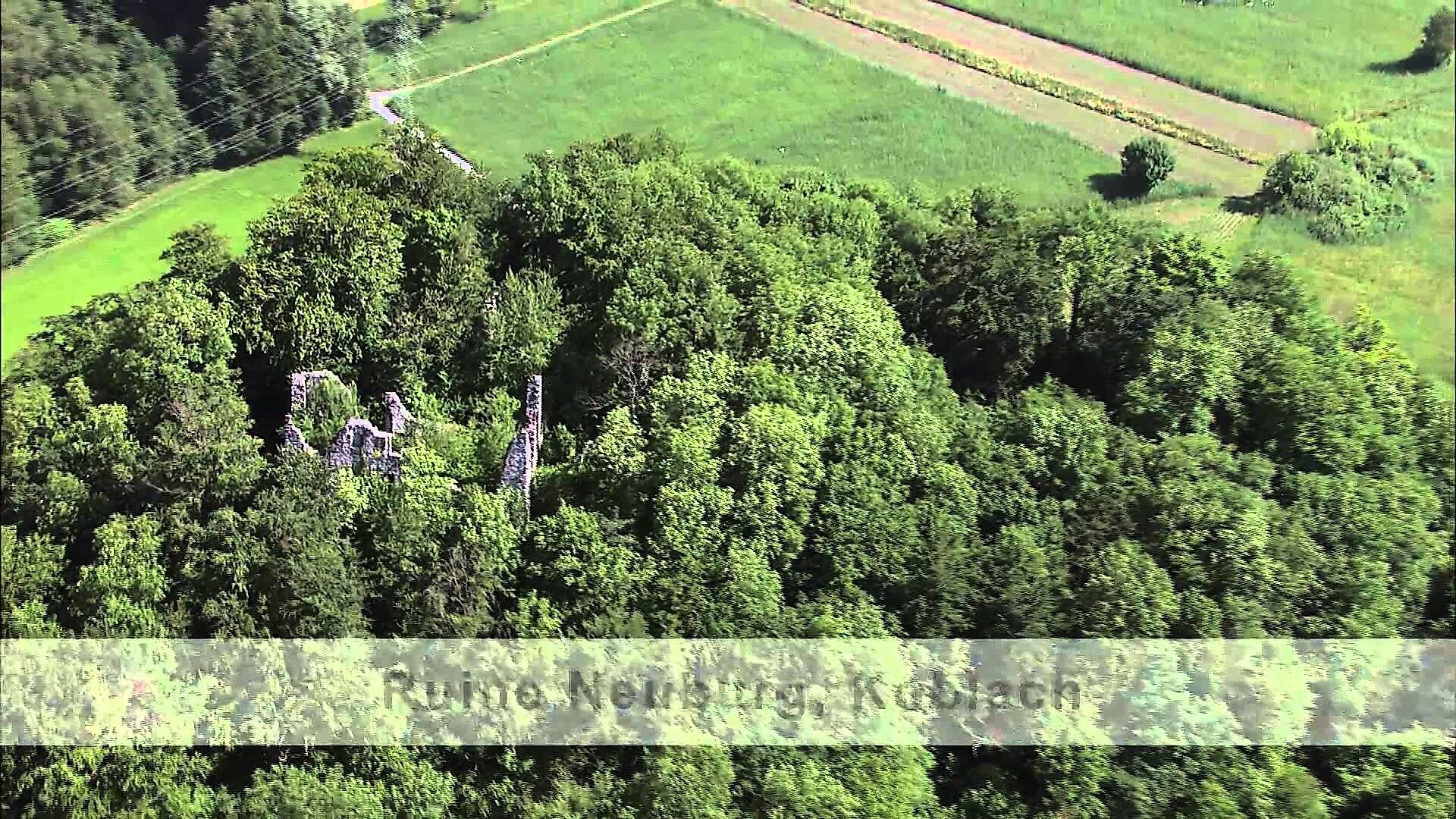
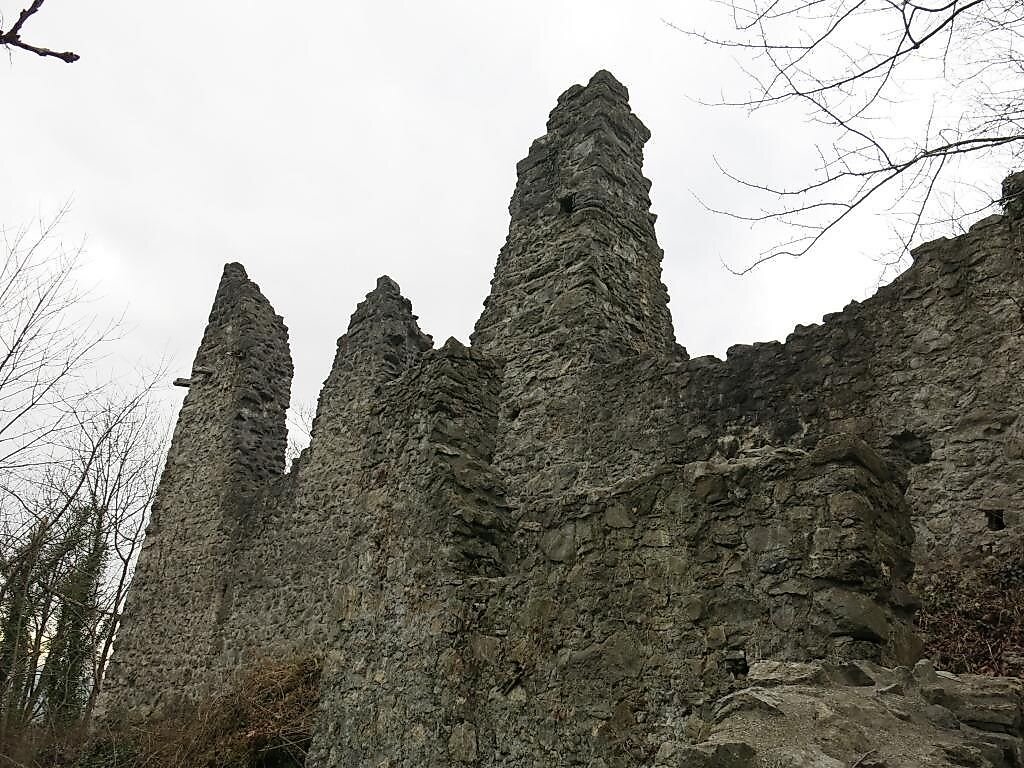
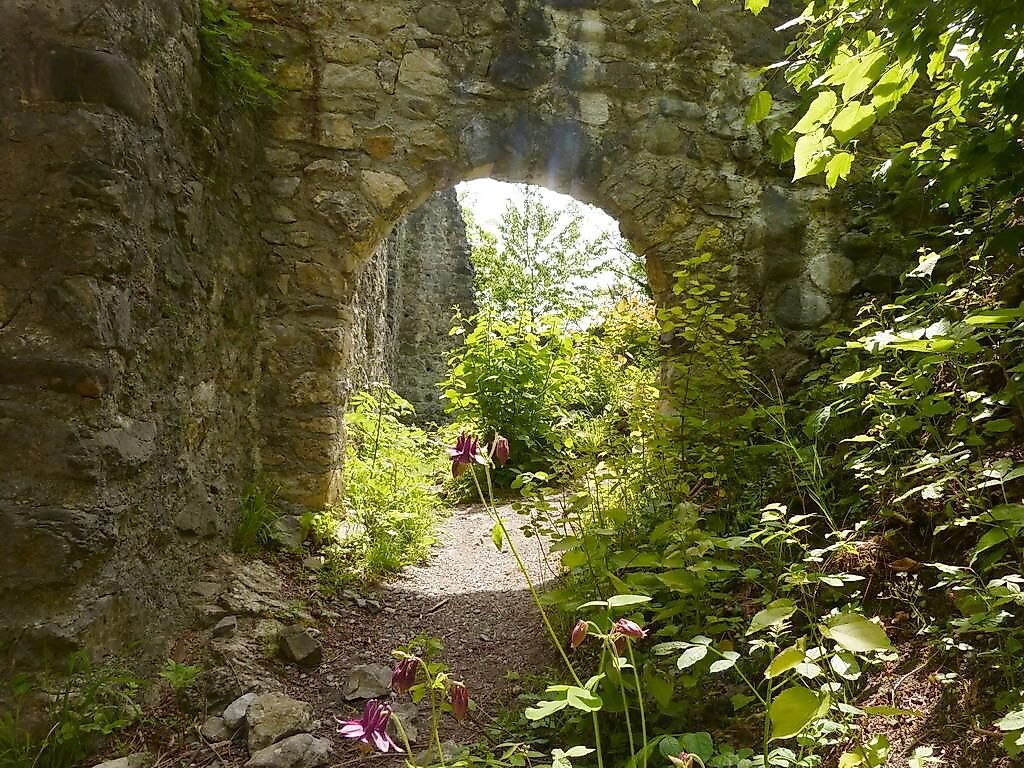
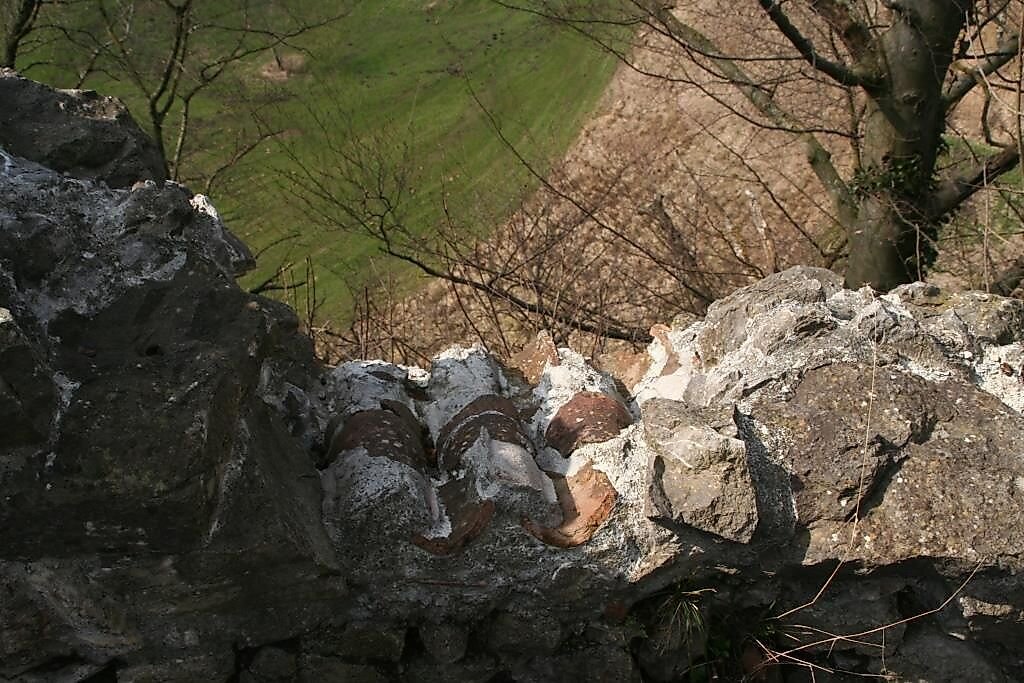
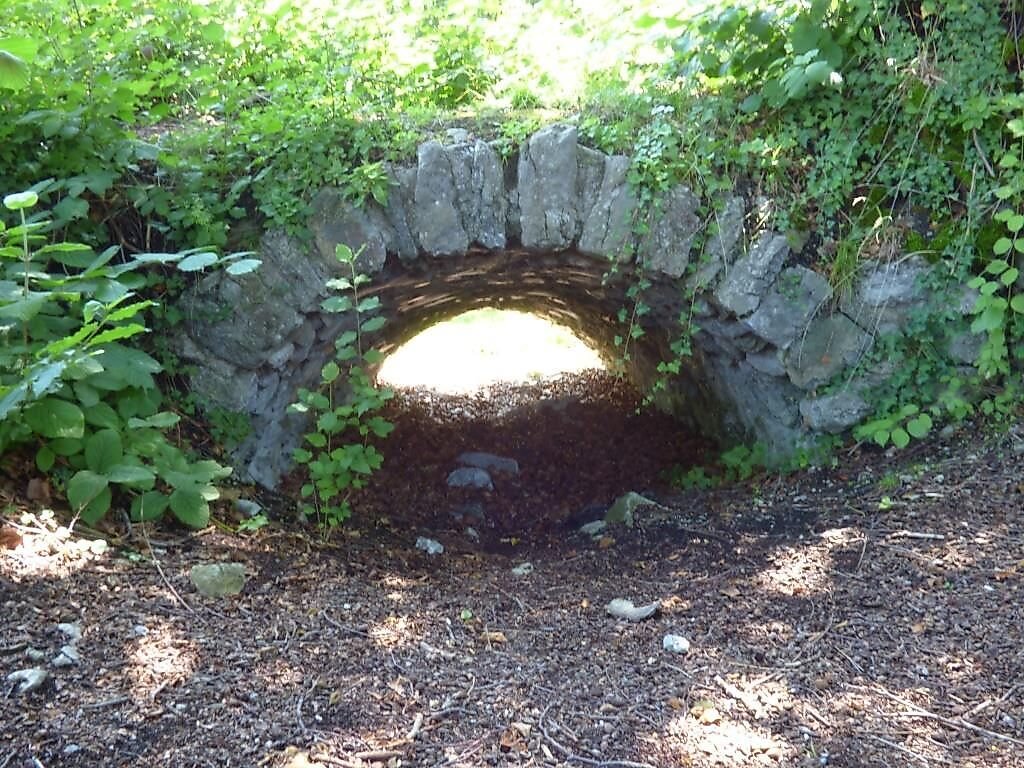
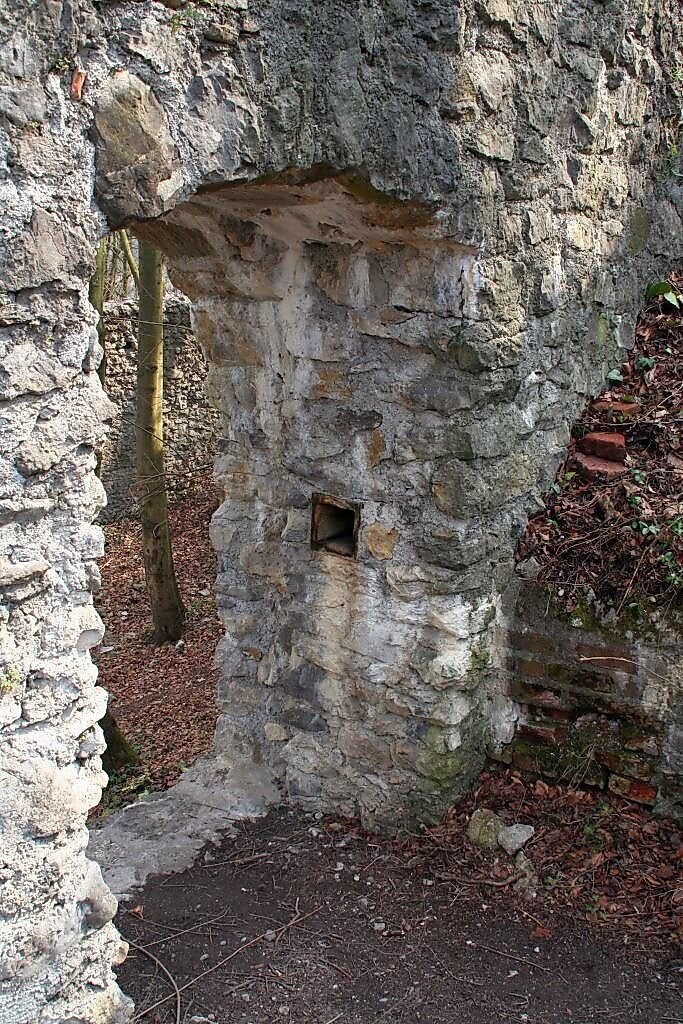
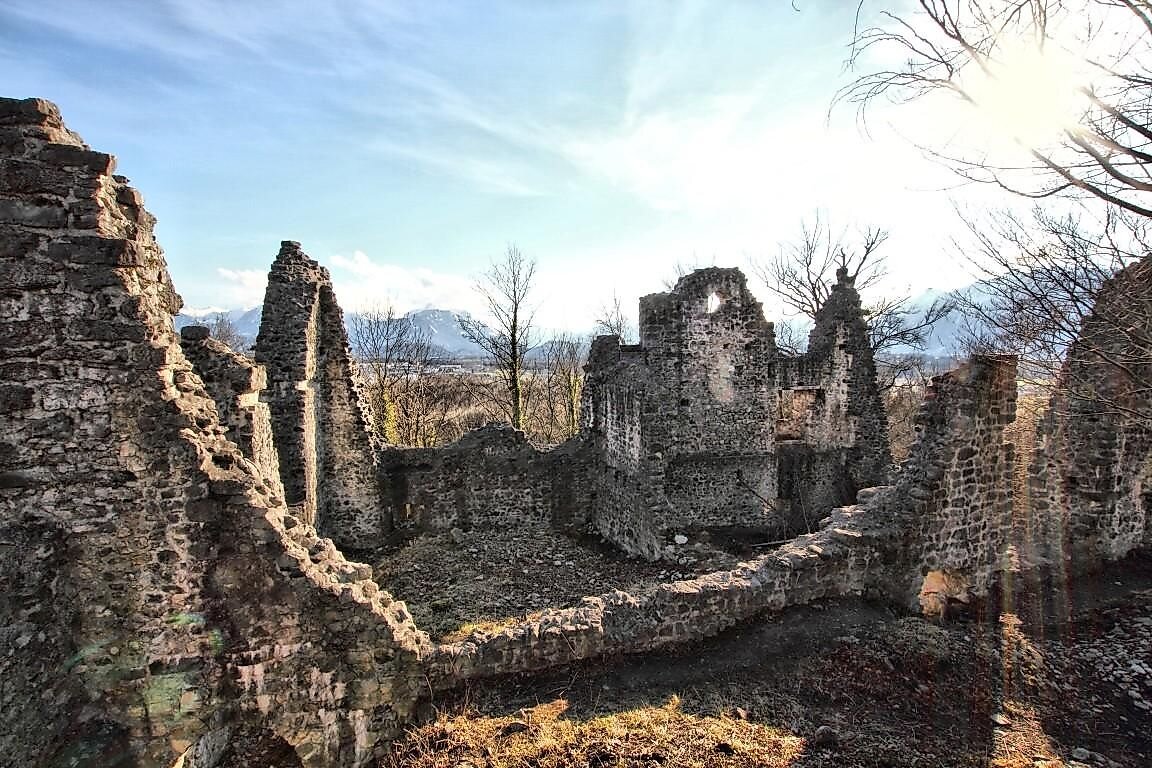
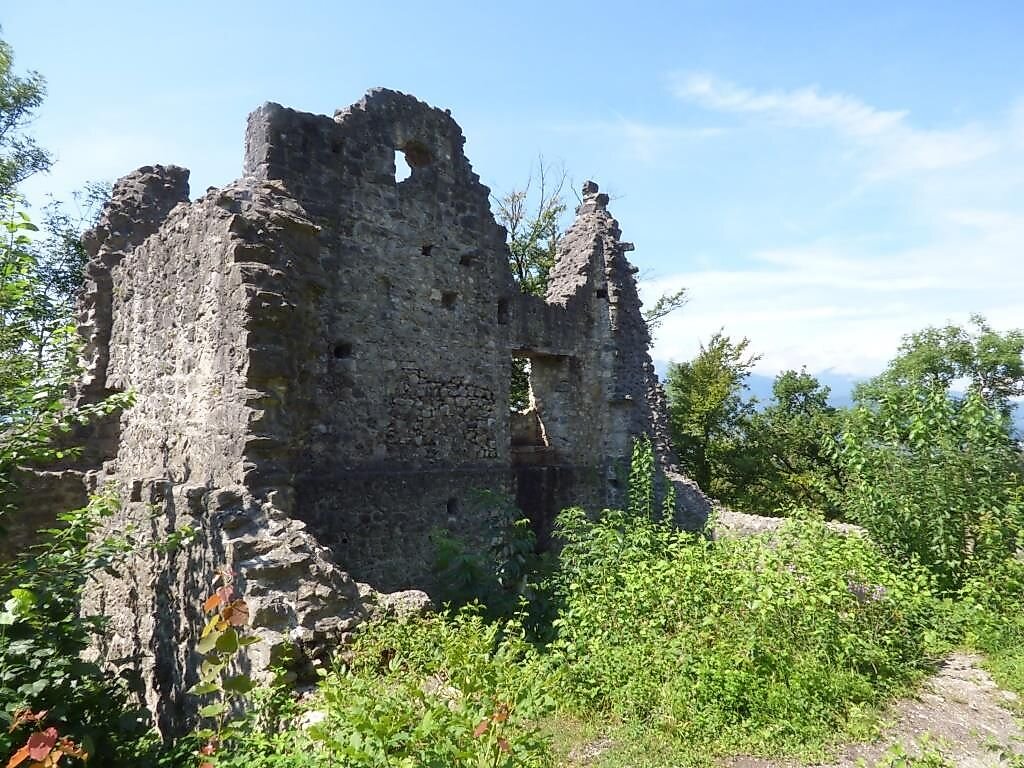
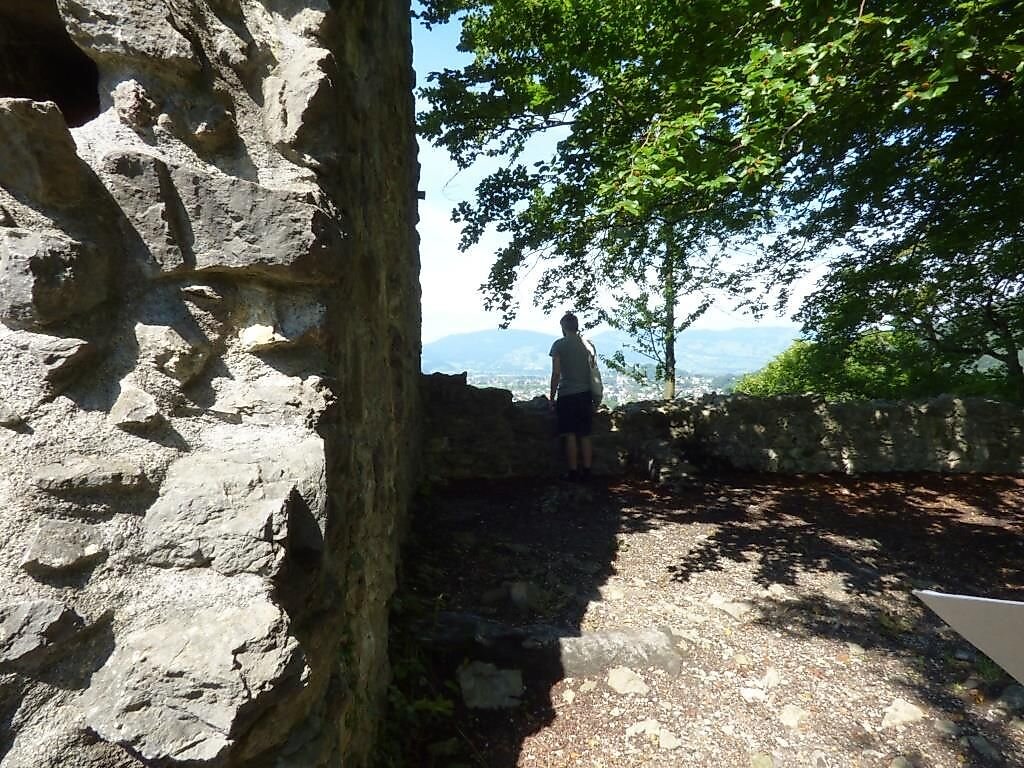
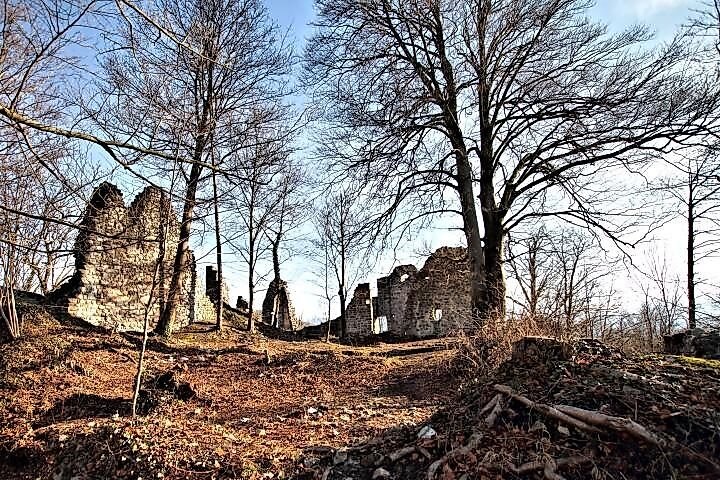
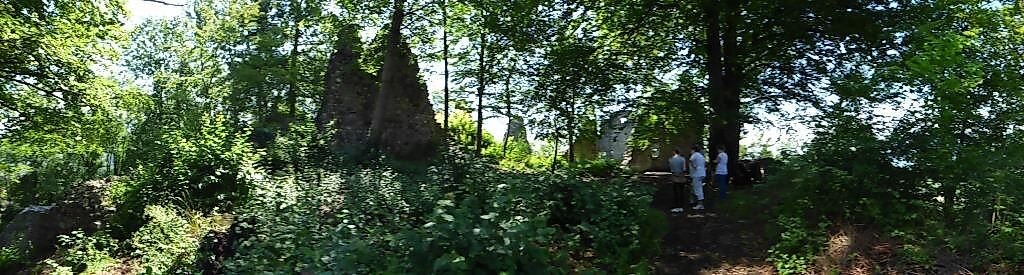
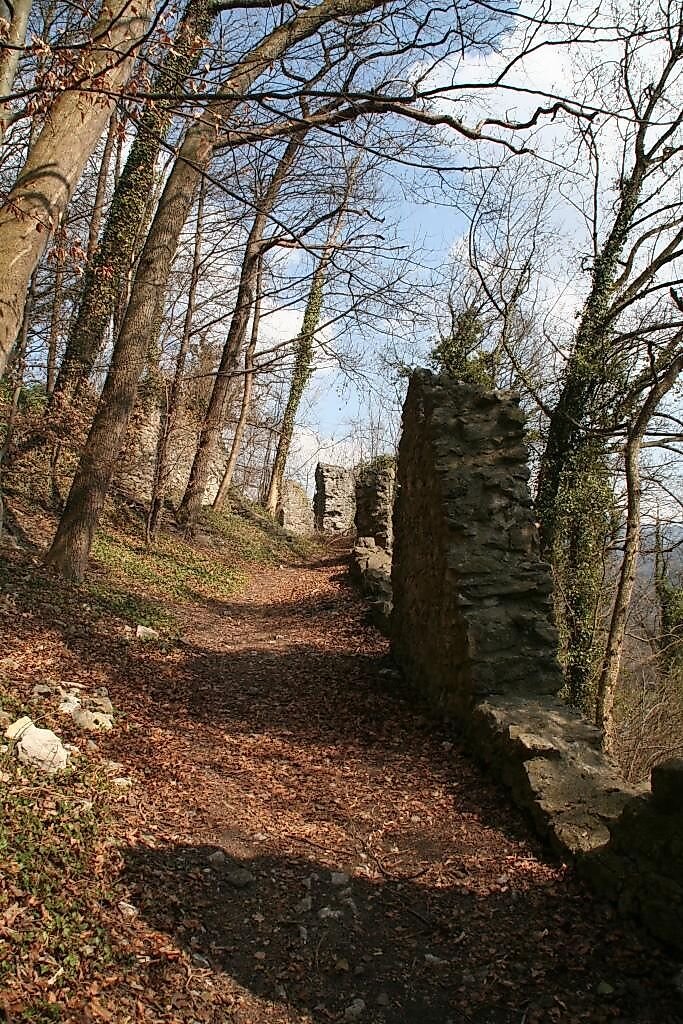
The hilltop castle is located in the middle of the Rhine Valley near the Kummenberg. Although only the sprawling ruins remain today, visitors can still get a sense of the fortified castle’s former grandeur. It is unknown when it was built. In any case, a document from 1152 mentions it as a possession of the Staufer dynasty. The oldest part of the castle is the so-called keep. It was likely built in the second third of the 12th century and served primarily as a fortified residence, a tower house. An entrance carved into the rock was discovered at the entrance to the cellar of the great hall. Stalactites have formed on the upper part of the castle’s section gate. These are created by dripping water, which indicates that water is seeping through the wall above—a condition that is not particularly conducive to the structure’s durability. Note: A particularly notable formation of stalactites can be found very close to Neuburg, in the Kalkofen Cave. These were discovered during the construction of the highway and, unfortunately, were largely destroyed by irresponsible people.
Neuburg Castle was considered nearly impregnable. It has never been destroyed by attackers in its history. Its destruction began only after it was sold in 1767. At that time, Neuburg Castle was acquired at auction by a consortium led by Georg Loacker, a staff officer from Götzis, and was largely demolished. In many old houses in the vicinity of Neuburg, cellars and walls are built from its stones.
Neuburg Castle was captured during the Appenzell Wars from 1405 to 1408. Count Hugo von Montfort-Bregenz, also known as a minstrel and at that time the lord of Neuburg, was able to save the castle through skillful maneuvering. It was occupied by the “Bund ob dem See” as a stronghold.
In 1647, the Swedes captured Bregenz and, on the very same day, occupied the unguarded Neuburg without a fight. The occupation, involving 90 men, lasted until May 23, 1647, when the Swedes were besieged by Austrian troops and surrendered in exchange for safe passage. Hans Kaspar Jonas lost his position as administrator and was held accountable for the surrender of Neuburg to the Swedes without a fight.
There is a vineyard near Neuburg. In 1685, the chronicler Prugger wrote of it: “Good wine grows there and ripens about 14 days earlier each year than in other places.” A 19th-century Negrelli map still shows that grapevines were growing there at that time.
Stories of robber knights, a mysterious treasure, and underground tunnels lend this place a special charm.
Location
- Address
-
Neuburg Castle Ruins, Koblach
Schloßwald 1a
6842 Koblach, Austria
Contact
- kultur@vorarlberg.at
- Website
- www.vorarlberg.at/kultur New Window