


Münster U.L.F.
Description
Cathedral of the Diocese of Constance, which was dissolved in 1821: On the ruins of the late Roman fort that once stood on the same site, the first cathedral was built no later than the 7th century; it was later altered several times.
Summary
Cathedral of the Diocese of Constance, which was dissolved in 1821: On the ruins of the late Roman fort that once stood on the same site, the first cathedral was built no later than the 7th century; it was later altered several times.
Description
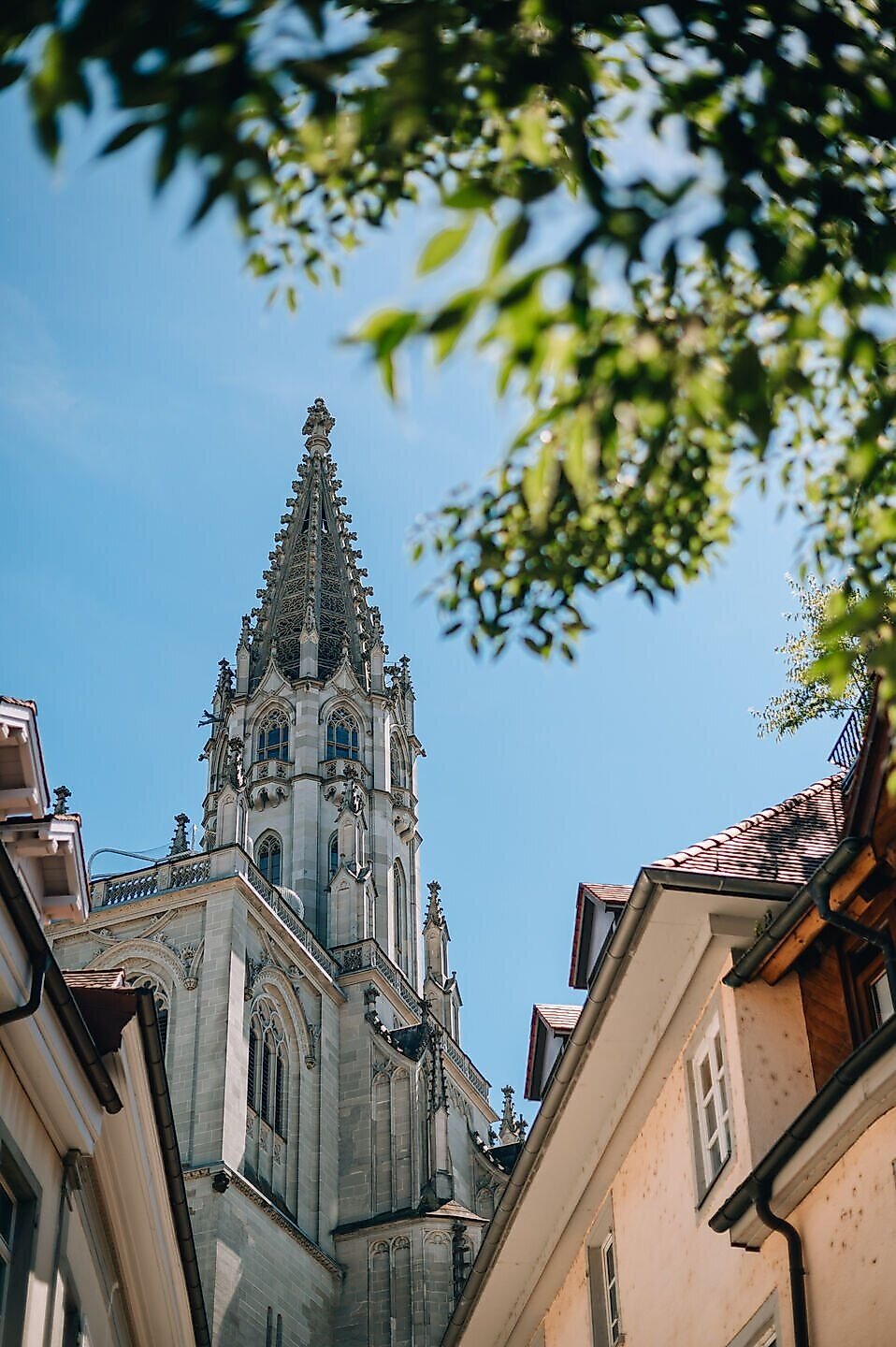
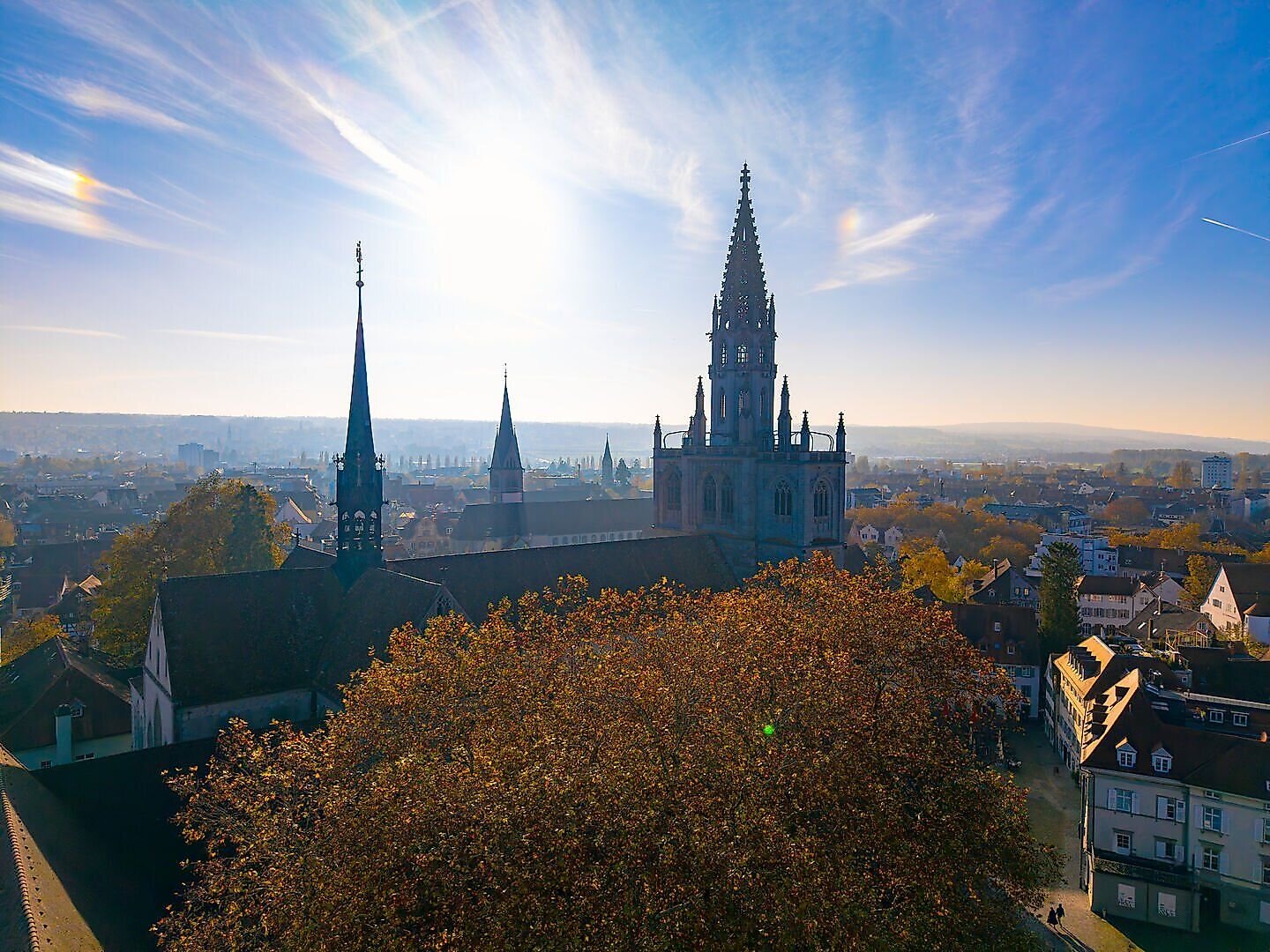
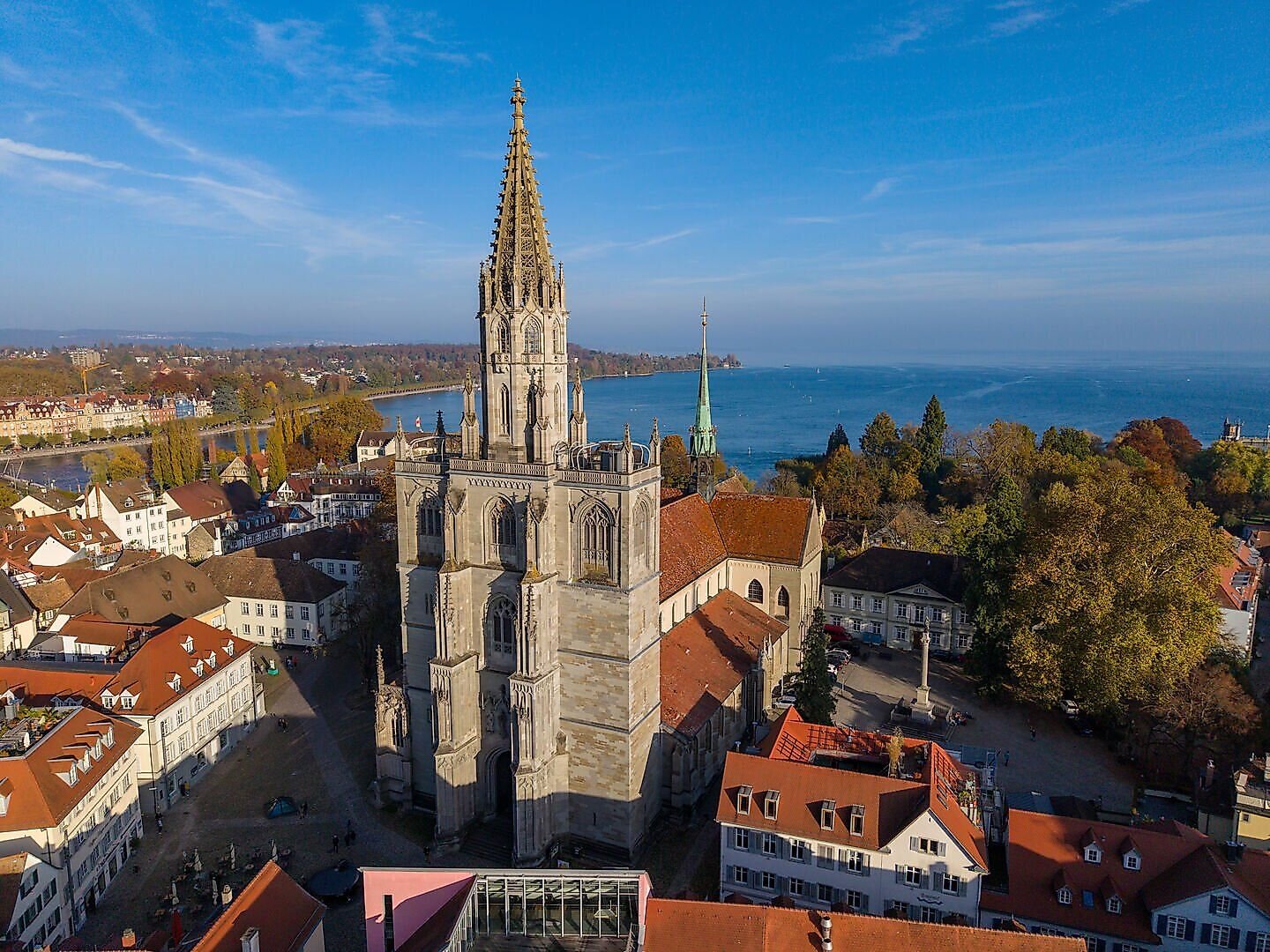
The 78-meter-high tower is also worth a visit: it offers a wonderful view of the city, Lake Constance, and the mountains.
The Romanesque columned basilica was consecrated in 1089 and was rebuilt and renovated several times after the Reformation. The culmination of these efforts was the neo-Gothic spire, built in 1853. Since 1955, the “Cathedral of Our Lady” has held the honorary title of “Basilica minor.”
Significant decisions were made here, including during the Council of Constance from 1414 to 1418—600 years ago. At that time, the general assembly of the Church met in the cathedral; for example, on July 6, 1415, it condemned the Prague reformer Jan Hus to death as a heretic.
Points of interest inside the cathedral
- Crypt: A structure dating from the 9th/10th century containing the four original gold discs from the outer wall of the choir. The largest piece of this treasure—unique in the Christian world—known as the “Majestas Domini,” dates from around the year 1000.
- St. Maurice Rotunda: A circular structure built around 940 as a replica of the Church of the Holy Sepulcher in Jerusalem. At its center lies the Holy Sepulcher, which was restored in the 13th century. The rotunda was an important destination and starting point for major medieval pilgrimages, such as those along the “Schwabenweg” to Santiago de Compostela. The murals and sculptural decorations date from the Gothic and Renaissance periods.
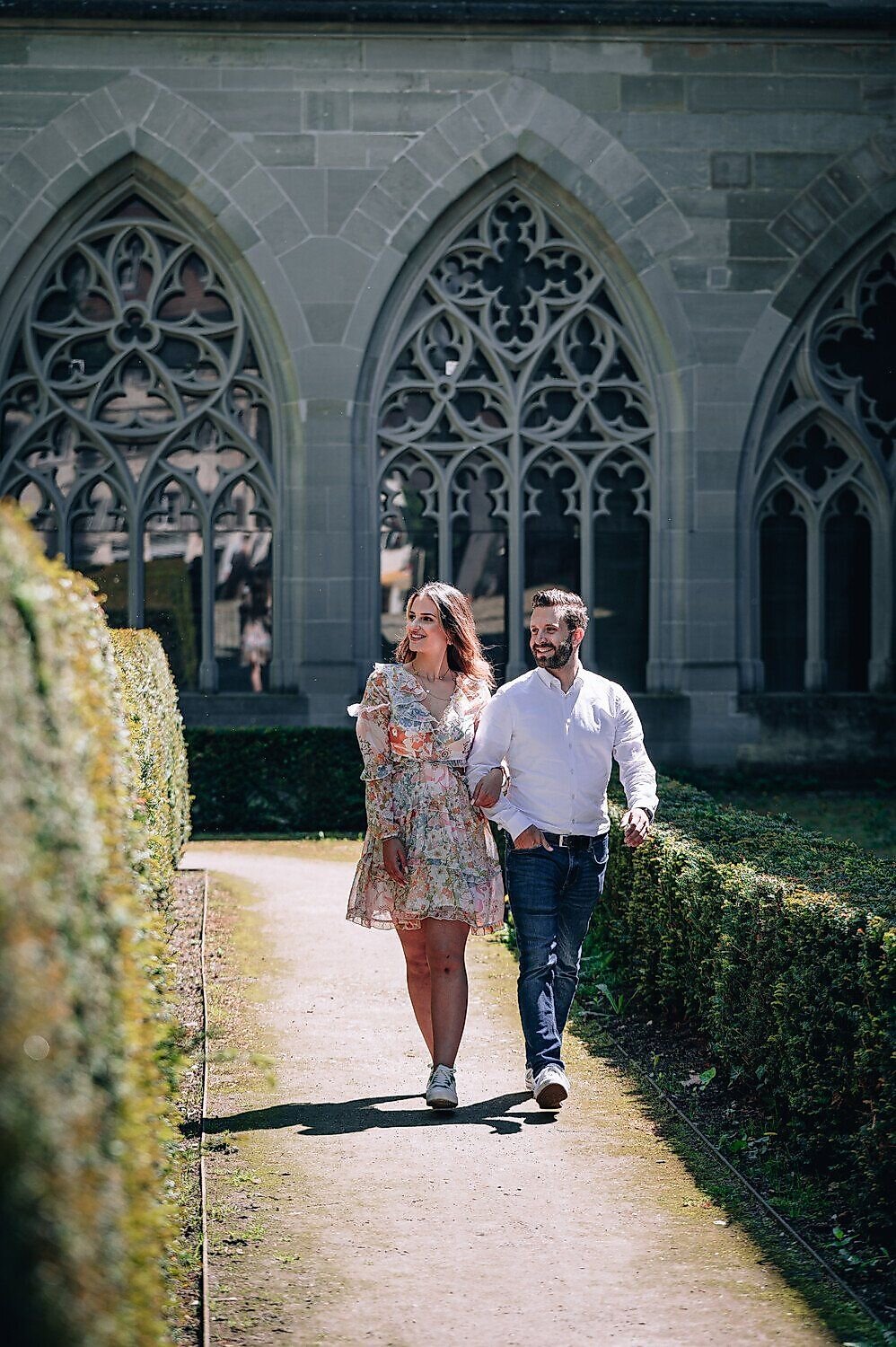
- Cloister: Preserved sections from the 13th to 15th centuries can be found here. The Silvester Chapel also features late-Gothic murals.
- St. Conrad’s Chapel: A 13th-century structure that includes the 16th-century Crucifixion Altar by Bishop Hugo von Hohenlandenberg.
- Thomas Choir: A late-medieval staircase, also known as the “Schnegg.” The rich figurative ornamentation is particularly striking.
- East Choir: Gothic pews with rich carvings, as well as a 13th-century Romanesque statue of the Virgin Mary.
- Nave: 11th-century Romanesque monolithic columns with a pulpit from 1680.
- Welser Chapel: A masterpiece of late Gothic sculpture.
- Westwork: Here you’ll find the Renaissance organ from the early 16th century as well as murals from various periods.
- Entrance Hall: Late Gothic double portal and the “Great Christ of Constance.”
Hours of Operation
- Monday-Sunday
- 10-18 o'clock
Details
- Spring
- Summer
- Fall
- Winter
Links
Location
- Address
-
Münster U.L.F.
Münsterplatz 1
78462 Konstanz, Germany
Contact
- Telephone
- +49 7531 90620
- pfarrbuero@kath-konstanz.de