


Lake Tour - Windowless Church
Description
On the night of May 18, 1984, Hard was shaken by a grim event that would leave an indelible mark.
Brief Description
On the night of May 18, 1984, Hard was shaken by a grim event that would leave an indelible mark.
A Church Without Windows
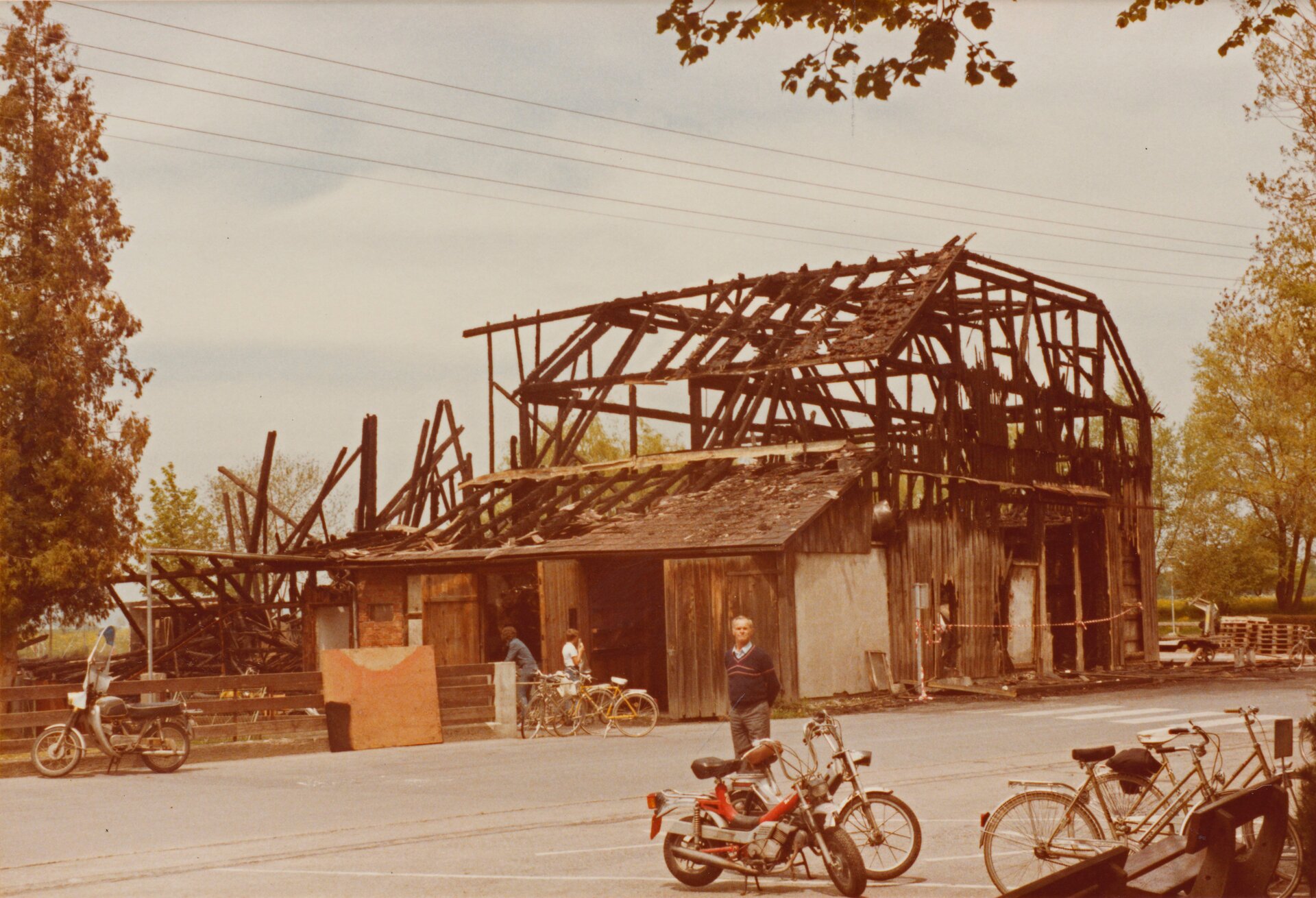
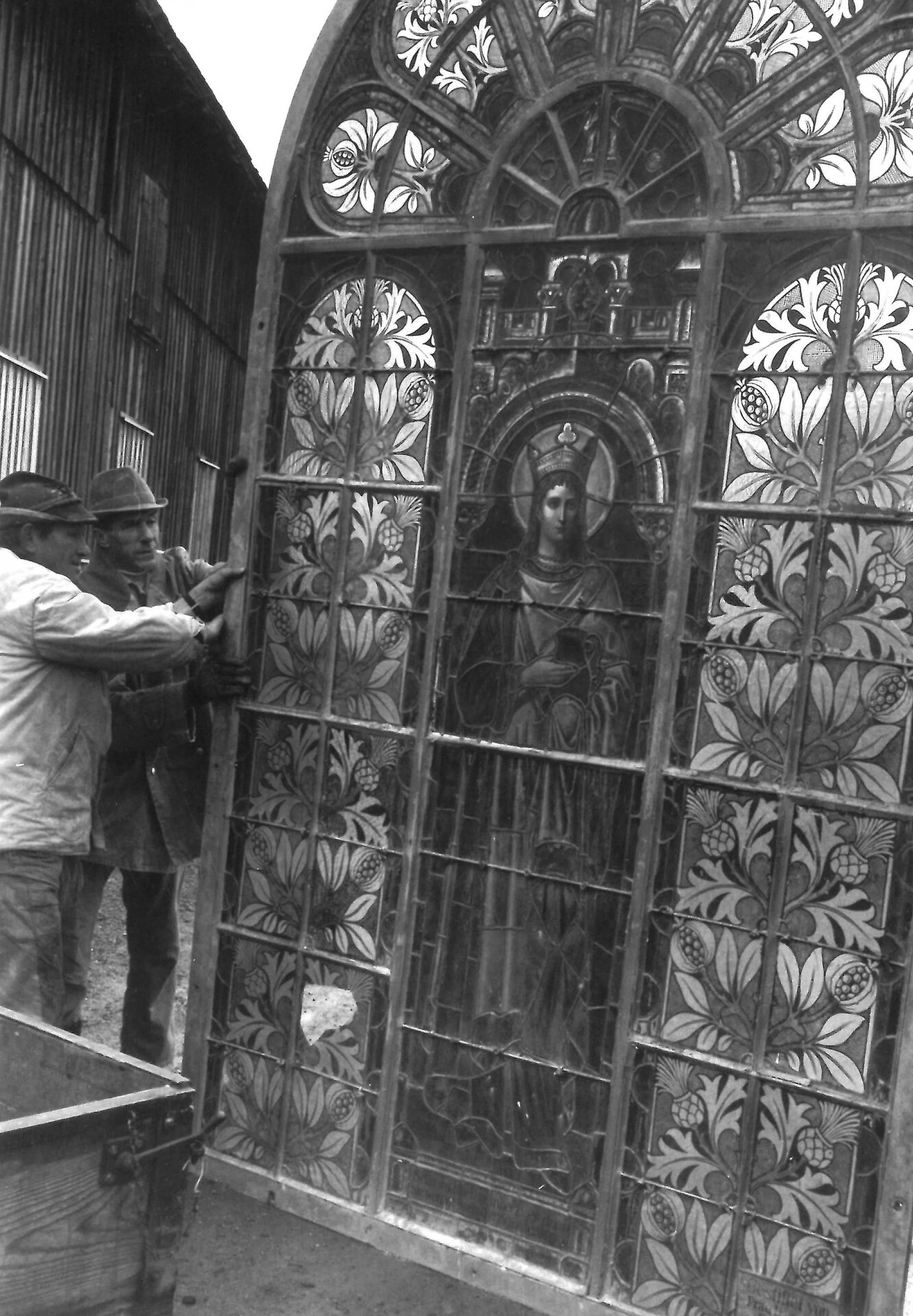
On the night of May 18, 1984, Hard was shaken by a grim event that would leave an indelible mark. The residents of the Trentin settlement “Borgoland” were abruptly jolted awake when a deafening crack, flickering light, and the acrid smell of burning pierced the darkness: the poorhouse barn was ablaze. At 1 a.m., the Hard Fire Department was alerted and immediately dispatched 50 firefighters in six fire trucks to the scene—but to no avail: the barn could not be saved. The fire destroyed the old community barn, along with the controversial church windows. These, along with the church pews and a hearse, had been temporarily stored there due to the church renovation. Rumors quickly began to circulate that arson might have been the cause—a suspicion that further inflamed the already tense atmosphere in the community. The exact cause of the fire was never determined.
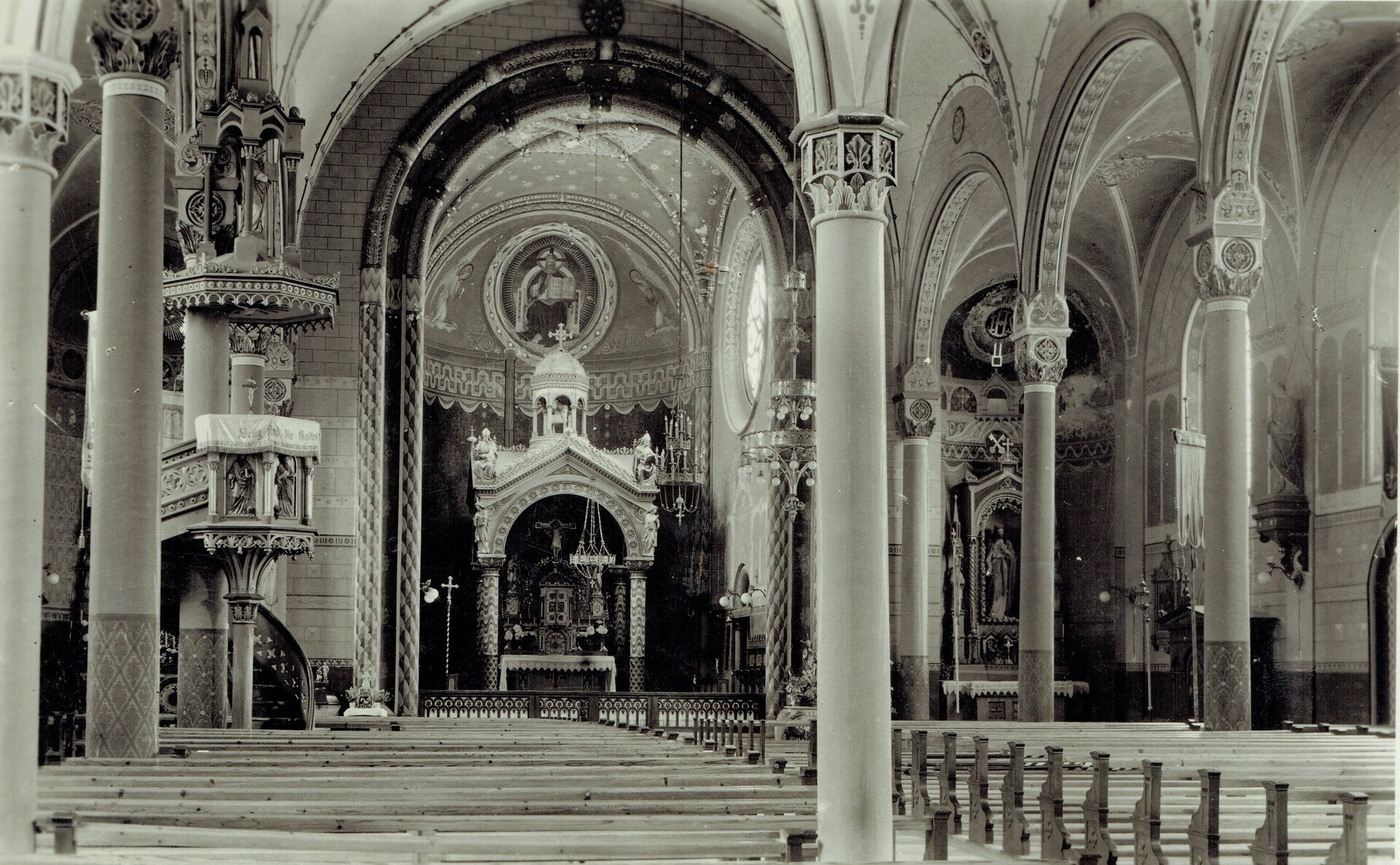
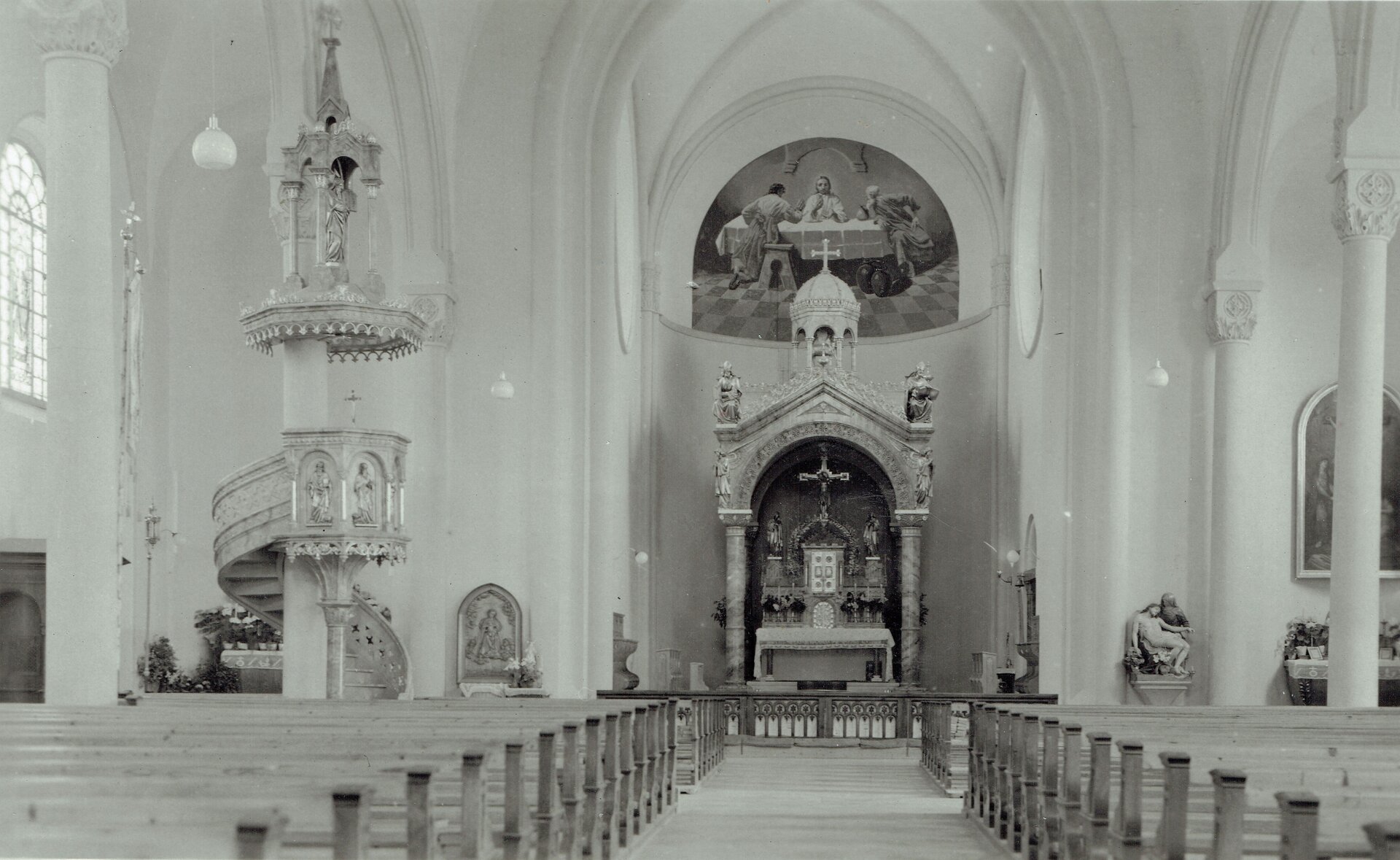
Amid the rubble, the full extent of the loss became apparent: the colorful stained-glass windows, which had been crafted between 1896 and the turn of the century by the stained-glass workshop in Innsbruck, were lost in the fire. The state conservator had described them as “works of art worthy of protection,” while other expert opinions referred to them as kitschy ornamentation that was, moreover, in terrible condition. Disagreement over the fate of the windows persisted for a long time within the community. The architect entrusted with renovating the parish church and the parish team preferred clear windows to give the church interior a more modern, light-filled atmosphere. The reformers sought a flexible design for the church interior in which people were more important than the furnishings. Others saw the historic windows as a symbol of the past that needed to be preserved. Thus, the windows became a focal point of debate—between tradition and modernity. But that night, all these considerations took a back seat. For a large portion of the windows were destroyed in the fire. Prior to the fire, two of the windows had been taken to the stained-glass workshop in Innsbruck to assess the possibility of their restoration. The windows spared by the blaze eventually came into private ownership over the years.
From the Bregenz Chapel to an Independent Parish Church
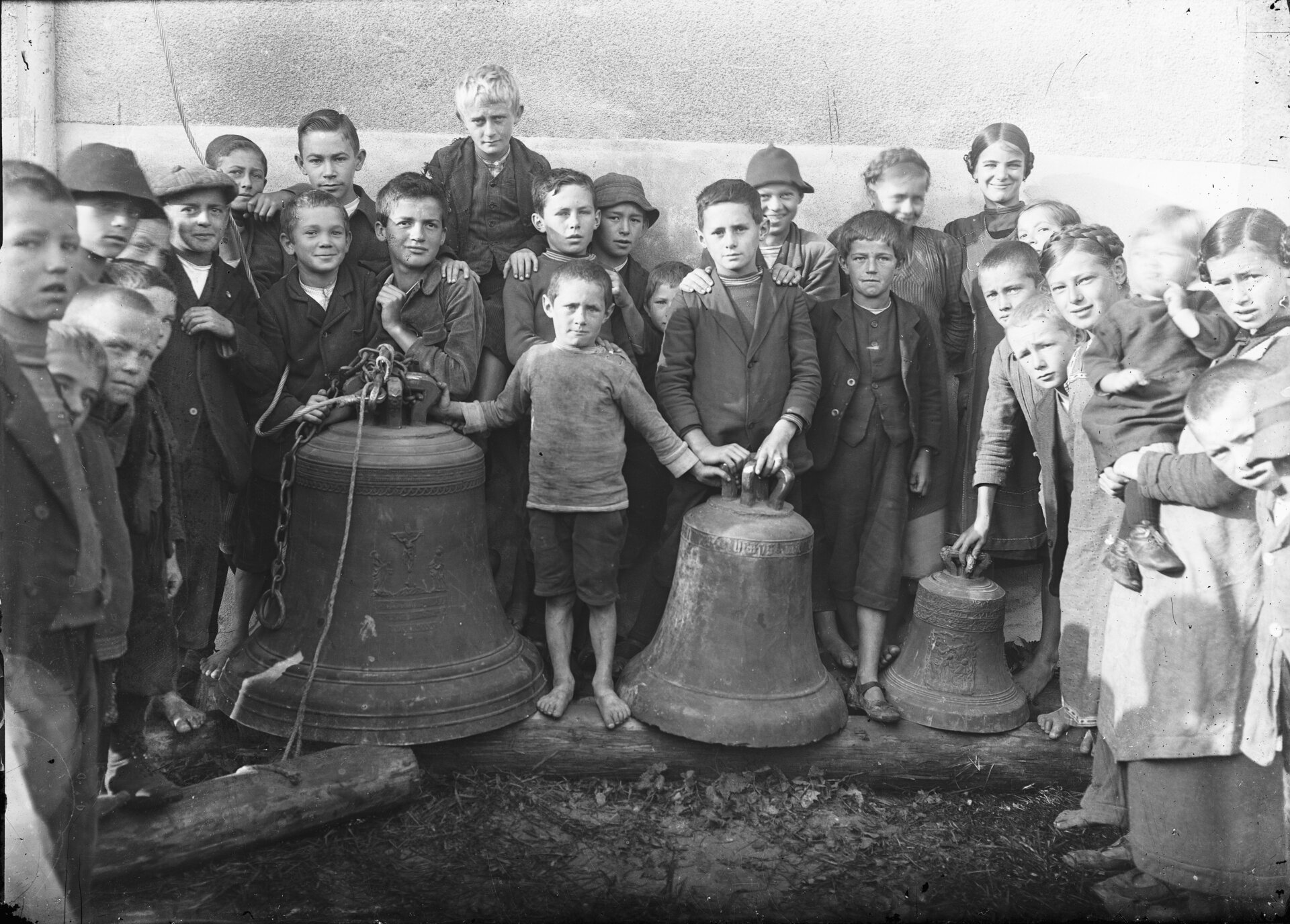
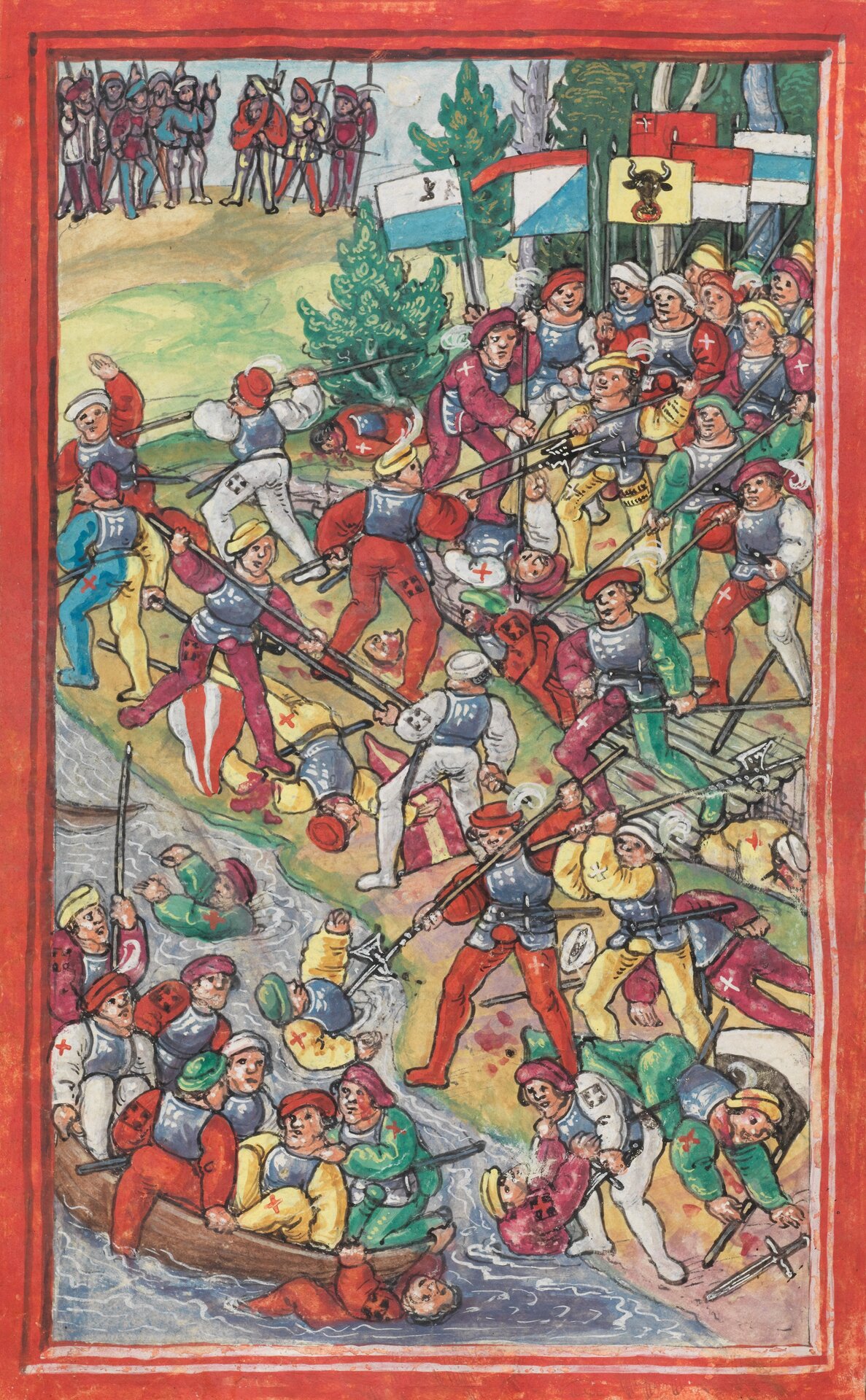
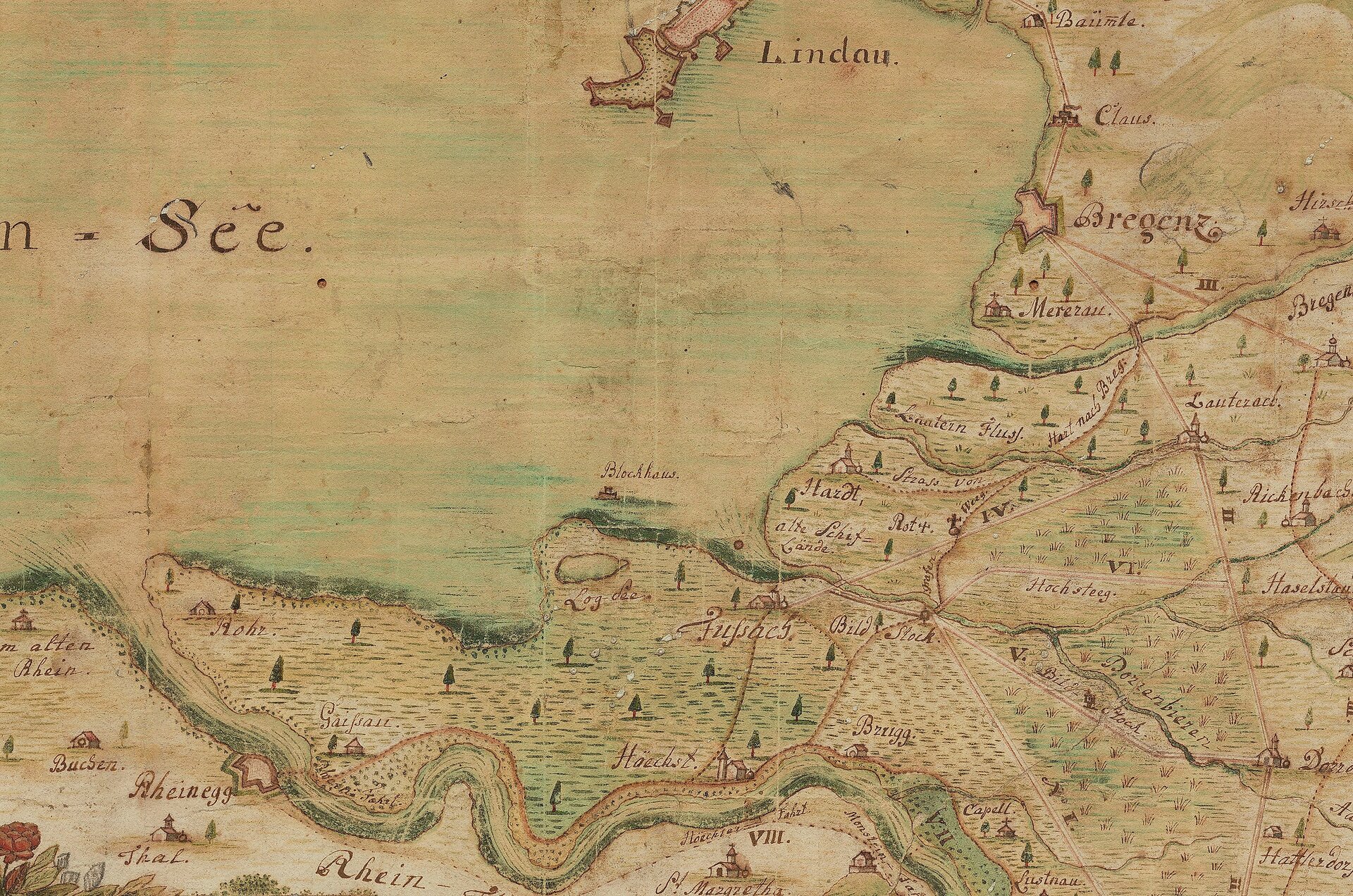
Long before the 1980s—ever since the first chapel was built in 1430—the church in Hard had been a place of constant change and renovation. According to legend, the pious yet determined Countess Elisabeth von Montfort, daughter of Count Wilhelm IV von Montfort-Bregenz, had this chapel built out of gratitude for her rescue from a shipwreck during a stormy crossing from Constance. A votive painting inside the church depicts the chapel in what is believed to be its original form. However, in addition to pious gratitude, practical considerations likely played a role as well: the long and arduous journey to Bregenz—six kilometers away to the Church of St. Gallus—made the construction of a local chapel necessary. Despite having their own chapel, the residents of Hard remained under the jurisdiction of the St. Gallus parish in Bregenz for over two centuries. Attempts to secede were strictly suppressed. The only exception was the victims of the Battle of Hard in 1499, who were permitted to be buried near the chapel. This battle, in which the Swiss Confederates defeated the knights of the Swabian League acting on behalf of the Habsburgs, was a defining event in the region, commemorated to this day by a memorial stone at the main entrance.
In 1646, after many setbacks, Hard became its own parish. From then on, baptisms, weddings, and funerals could be held in the village. The small chapel continued to serve as the parish church for a while until it was replaced in 1684 by a new building designed by Balthasar Bröll, which offered more space for the growing population. In the wake of a terrible plague epidemic, the church was dedicated to Saint Sebastian, the patron saint against infectious diseases.
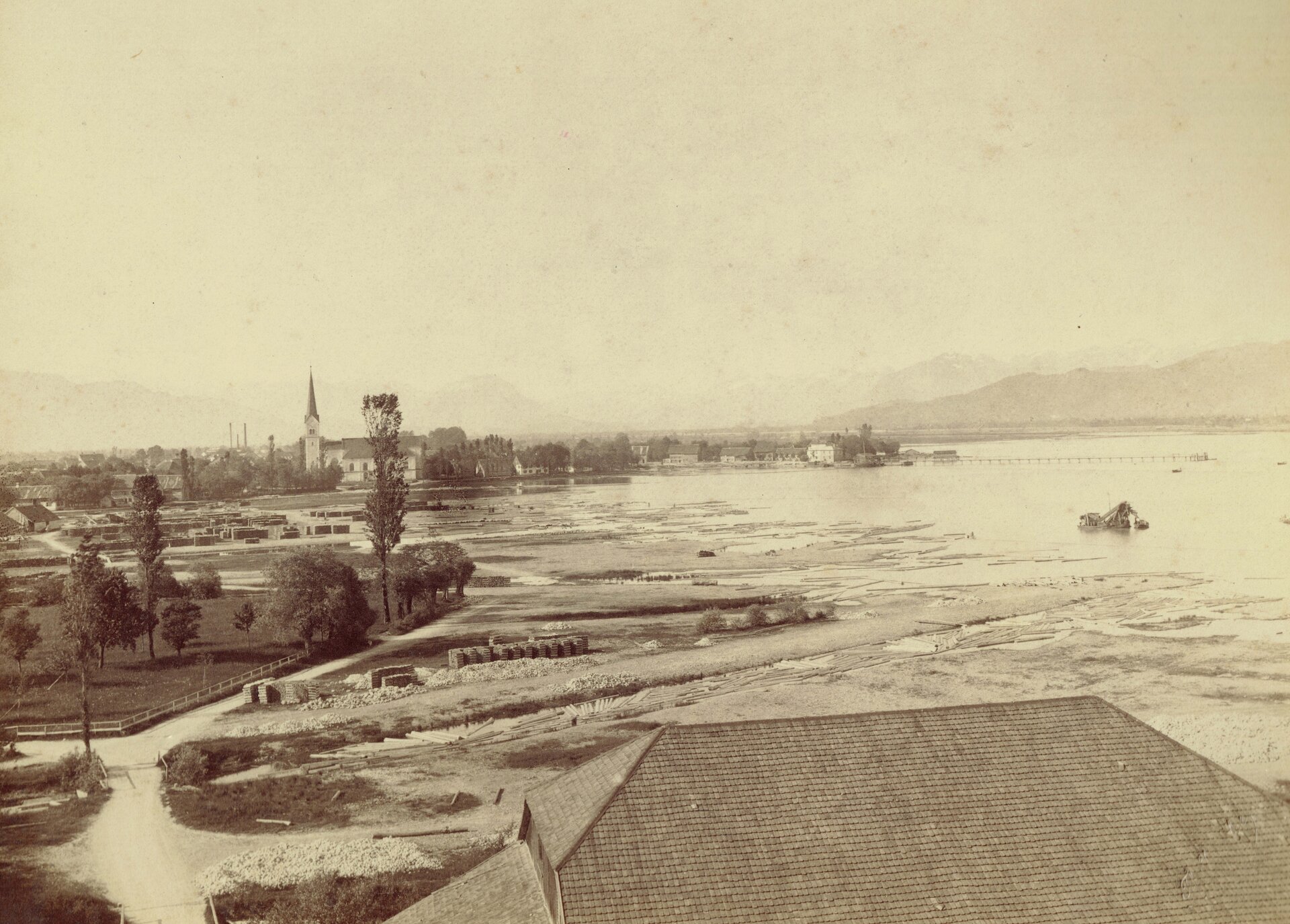
St. Sebastian underwent numerous structural changes over the course of the following centuries, yet the church has retained its exceptional location on the lake to this day.
Location
- Address
-
Lake Tour - Windowless Church
Kirchstraße 1
6971 Hard, Austria
(c) Marktgemeindeamt Hard/Gemeindearchiv / Marktgemeindeamt Hard/Gemeindearchiv