


Lake Tour - To the Ends of the Earth
Description
"At the end of the world," there was nowhere else to go. The grassy meadows were littered with so-called "mocks"—tufts of grass growing from root tubers.
Brief Description
"At the end of the world," there was nowhere else to go. The grassy meadows were littered with so-called "mocks"—tufts of grass growing from root tubers.
Description
To the End of the World
“At the end of the world,” there was nowhere else to go. The grassy meadows were littered with so-called “mocks”—tufts of grass growing from root tubers. These tubers grew up to 70 cm high and made it very difficult to move forward. For the children, it was “the end of the world.”
Harder’s “VAR” Compact Car
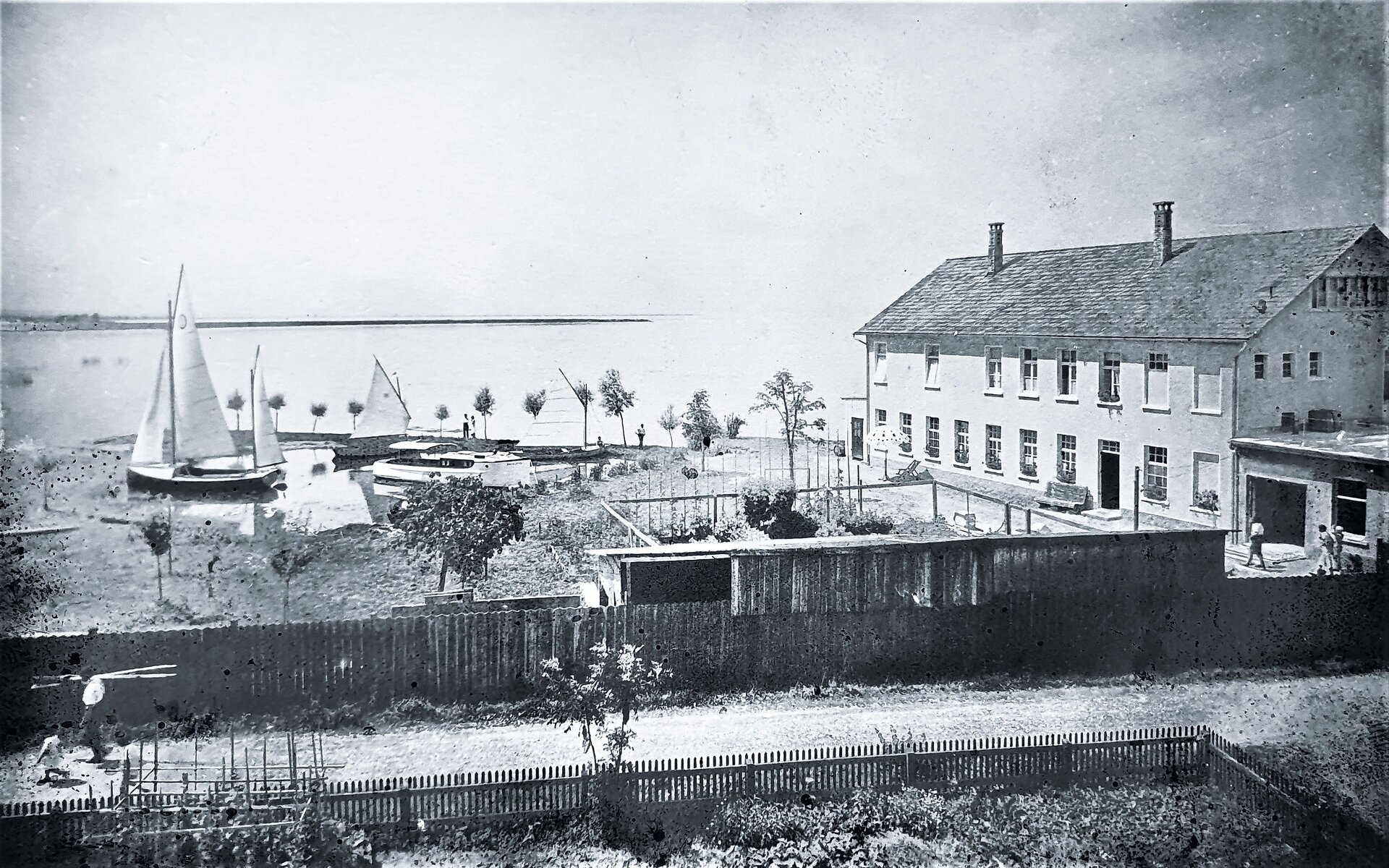
In the midst of this seemingly remote area, Hans Varrone attempted a fresh start in automobile production. He had started out in Hard together with Ferdinand Porsche. In 1922, Porsche had sent the Ticino-born engineer to Hard to serve as director of “Lake Constance-Werft AG.” But the company was in financial trouble, and Varrone was laid off as early as the summer of that same year. He then attempted to relaunch his career by producing his own small car. He purchased a lakeside property at Seestraße 44 and built a factory surrounded by the lake on two sides. There, he hoped to bring his vision of a passenger car to life. But the “VAR” compact car from Lake Constance also met a swift end: once again, it was the economic crisis that prevented the planned mass production of the “Ländle-Auto.”
Bobbin Lace and the War
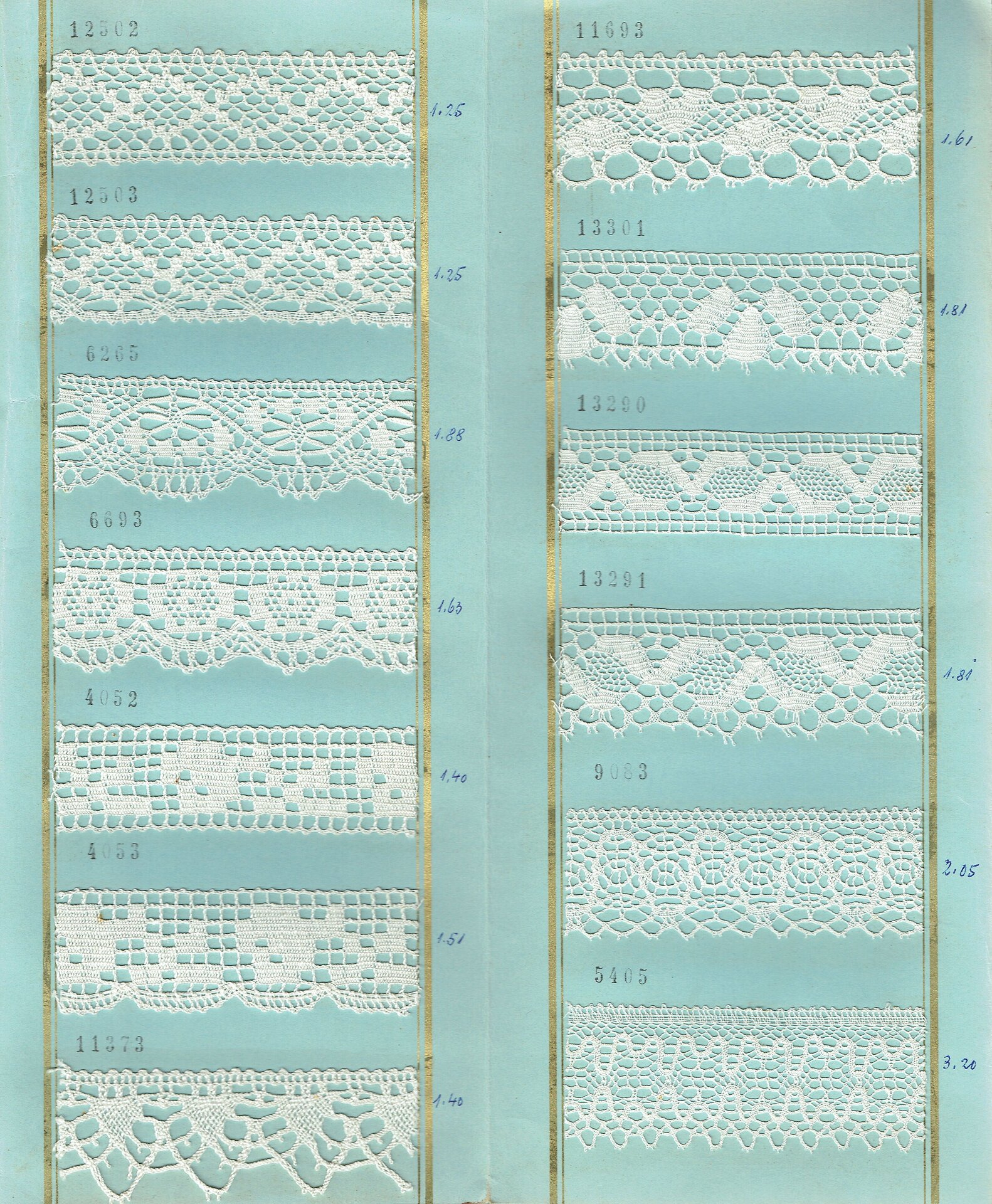
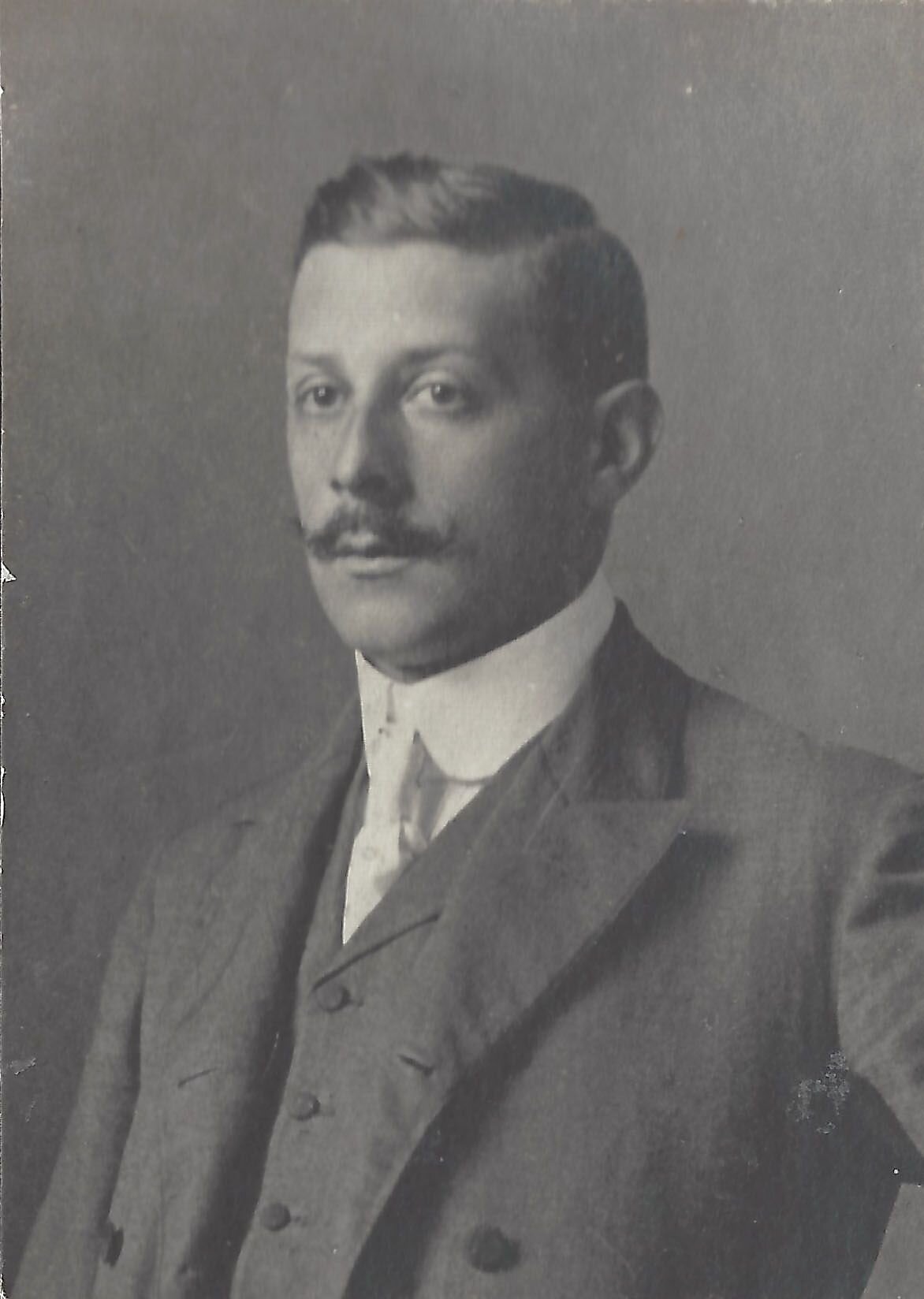
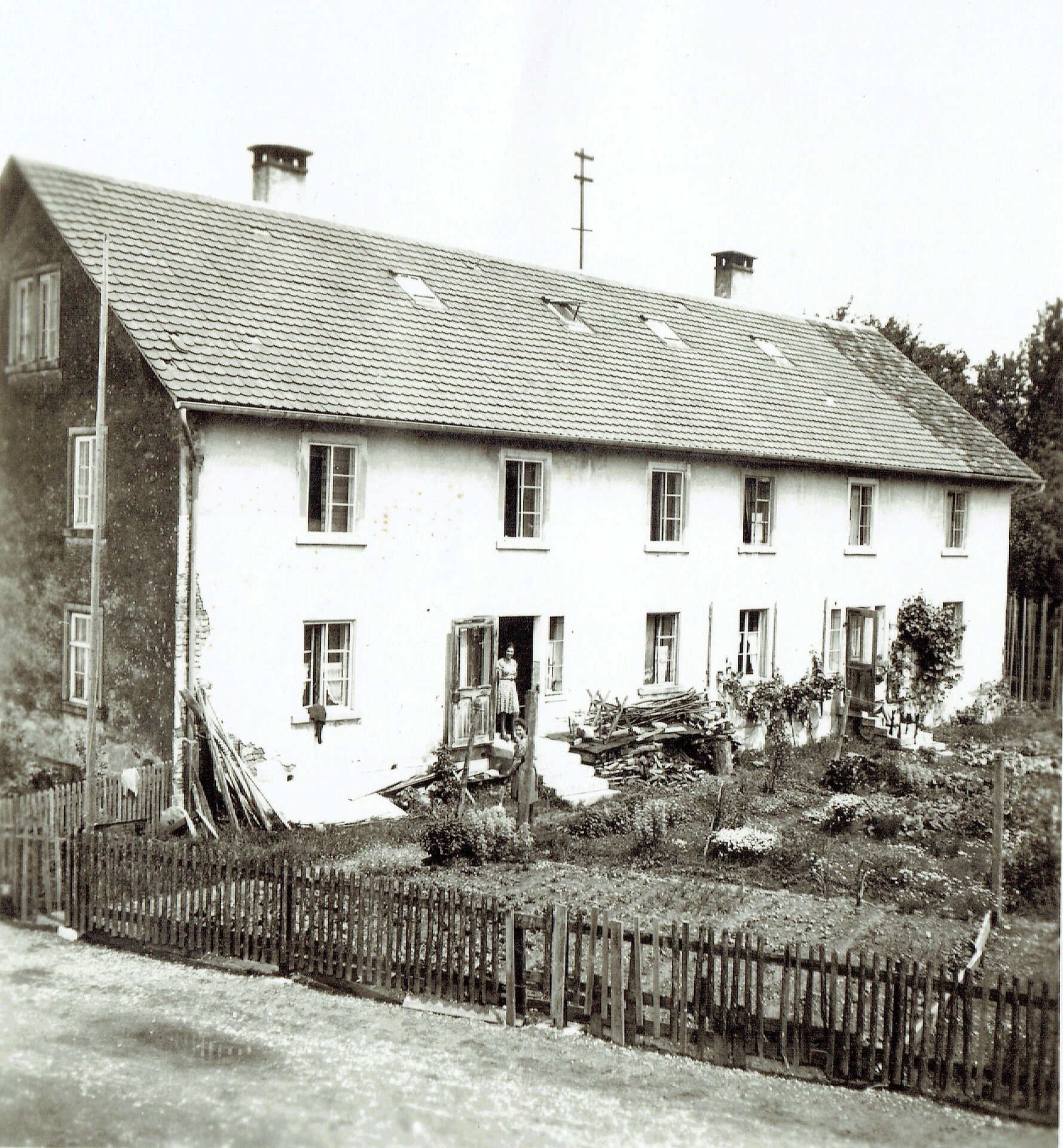
Michael Wohlfartstätter, a bobbin lace manufacturer and former gendarmerie post commander, acquired Hans Varrone’s former small-car factory—located directly on the lake—in 1928. He relocated his business to this site and expanded it by purchasing additional machinery. At the same time, he landscaped the grounds like a park, built dams and retaining walls to protect against wind and waves, and even constructed a small harbor.
With the onset of the Great Depression, bobbin lace exports eventually came to a complete standstill, and nearly half of Vorarlberg’s lace-making workshops fell victim to the crisis.
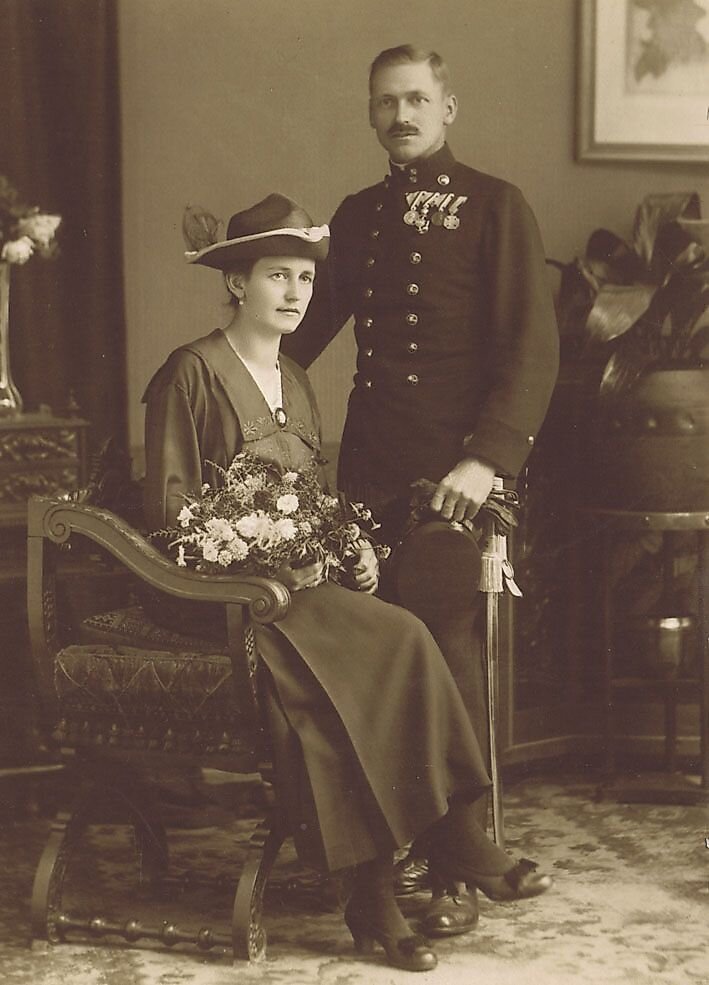
After Austria’s annexation by Germany in 1938, he managed to sell the entire inventory within a short time and pay off all debts. During the war years, however, running the business proved extremely difficult, as most of the workers had been drafted and only limited quantities of yarn were available. As a result, Wohlfartstätter was forced to concentrate all the machines in a single room and shift production to the manufacture of linens. Michael Wohlfartstätter was appointed by the district and regional leaders to serve as the local group leader of the NSDAP. In this role, he was responsible for overseeing, monitoring, and politically evaluating the local population, which frequently led to conflicts. Toward the end of the war, doubts about the regime likely began to creep in, especially after the death of his only son in August 1944. His granddaughter recalls her mother’s account: During one of the last air raid alerts, instead of going to the air-raid shelter, he took a foot bath in the kitchen, staring apathetically into space, as if he didn’t care what happened to him.
Shortly after the end of World War II, bobbin lace production in Hard resumed. The fashion for bobbin-laced curtains once again brought the entire industry several years of full capacity. But in the mid-1950s, bobbin lace production began a steady decline. When Michael Wohlfartstätter reached retirement age a few years later, he shut down his business.
The Small Fishing Harbor
An idyllic harbor once stood where the Lebenshilfe Vorarlberg workshop is located today. As early as the beginning of the century, the Hermann family of fishermen owned a house on the lake with a small harbor for rowboats and the commercial fishermen’s motorboat. The fishermen would head out onto the lake at four in the morning to haul in the nets. On the way back, they would gut the fish and throw the innards into the water. Around ten o’clock, the fishermen would return, sort the fish, and hang the nets up to dry. Then the nets were mended and set out again overnight. In 1958, the harbor was abandoned due to silting. The romantic harbor with its gondolas was no more; a debris dump was established in its place.
Workers’ Housing Complex of the S. Jenny Textile Company
The firm Jenny & Schindler is inextricably linked to the history of the textile industry in Hard during the 19th century. Beginning in the 1820s, they gradually established various textile-processing businesses. The company achieved great success far beyond Hard with its turquoise-red dyed and printed cloths. However, the product range was not limited to the production of cloths using a specific printing and dyeing technique, but encompassed a wide variety of other textile products. The company’s extraordinary success made Samuel Jenny one of the wealthiest Austrians of his time.
As the company grew after 1890, so did the population of Hard, which was primarily due to the many immigrants from Trentino. They were specifically recruited to address the labor shortage in the textile industry. In 1896, the worsted spinning mill
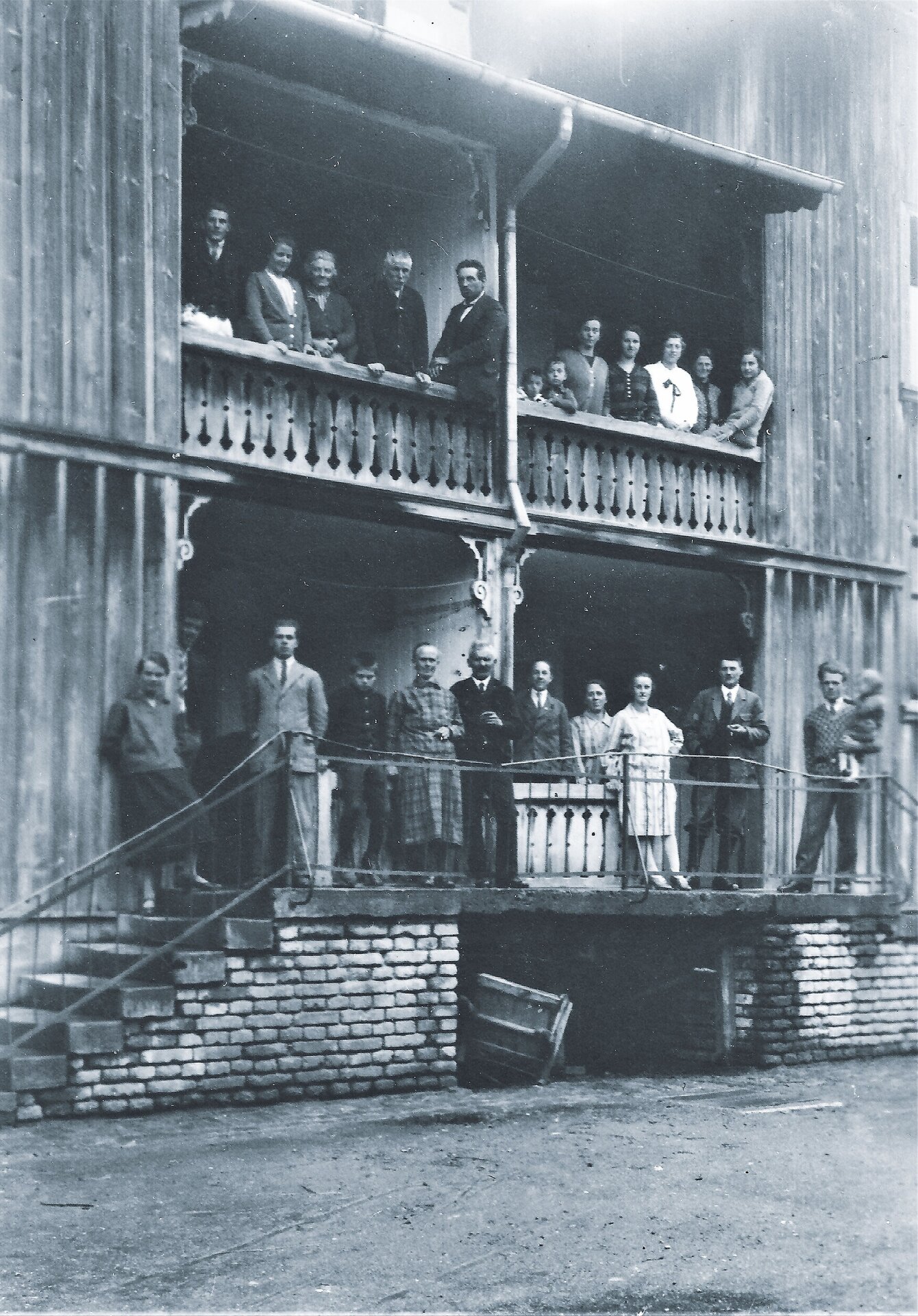
E. Offermann (later Schoeller) had also begun production. Fifteen years later, about one-fifth of Hard’s population came from Trentino. For this reason, Samuel Jenny felt compelled to provide housing and purchased a plot of land by the lake. In the mid-1890s, he began building workers’ housing, designed so that each unit had a central courtyard with covered seating areas. Wooden porches also faced the courtyard. On the weekly laundry day, several families shared the central laundry room. Each apartment had a “shed” that served as a storage space for firewood and as a tool shed. Adjacent to it were a chicken coop and a rabbit hutch. A share of the garden, an orchard, and farmland near the Härdlegraben enabled the Italian families to live largely self-sufficiently. The Jennyhäuser were also called “Borgoland” by the residents of Hard, since many Trentino natives came from the village of Borgo.
Location
- Address
- Lake Tour - To the Ends of the Earth 6971 Hard