


Lake Tour - Open-Air Movie Theater
Description
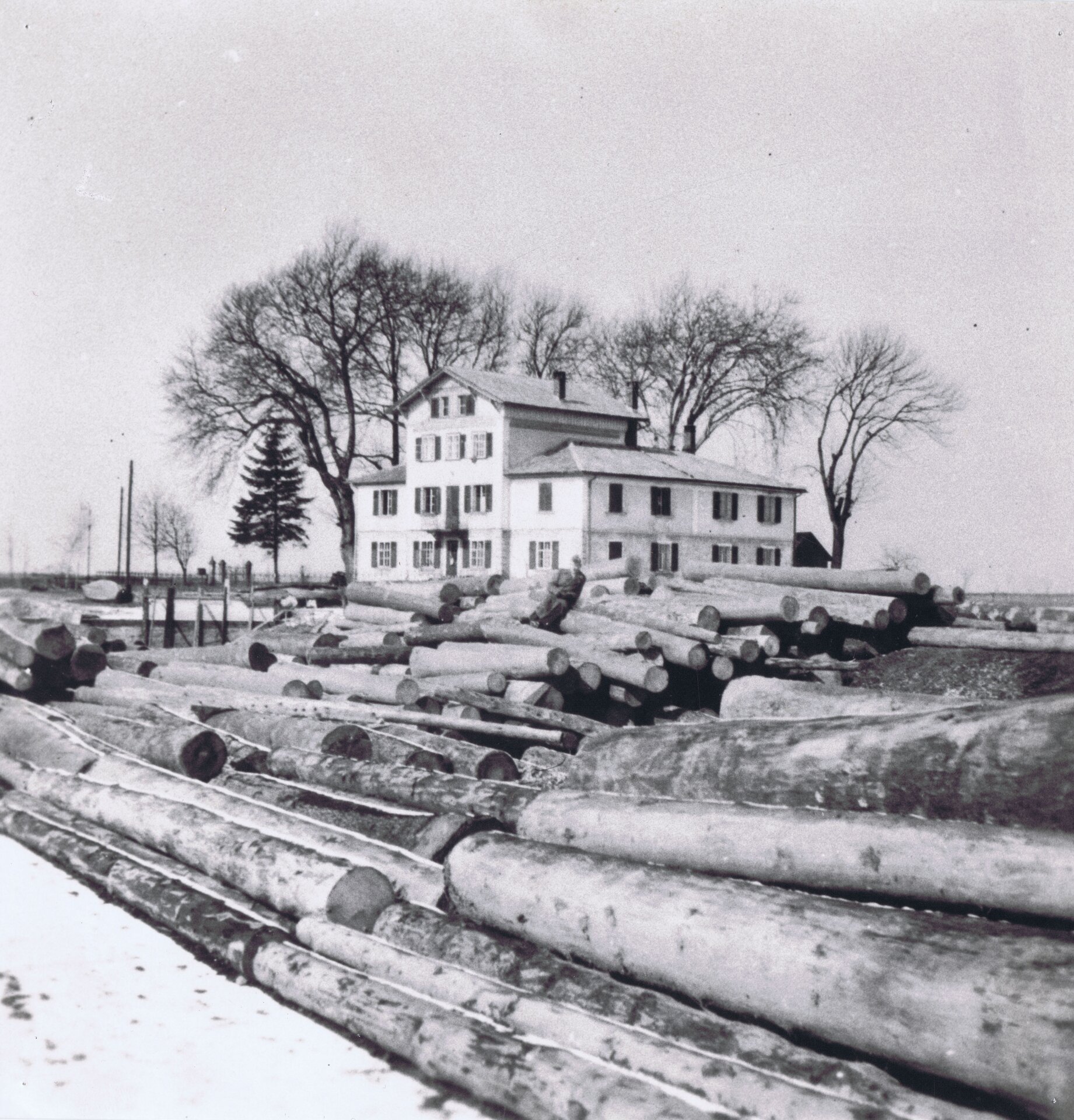
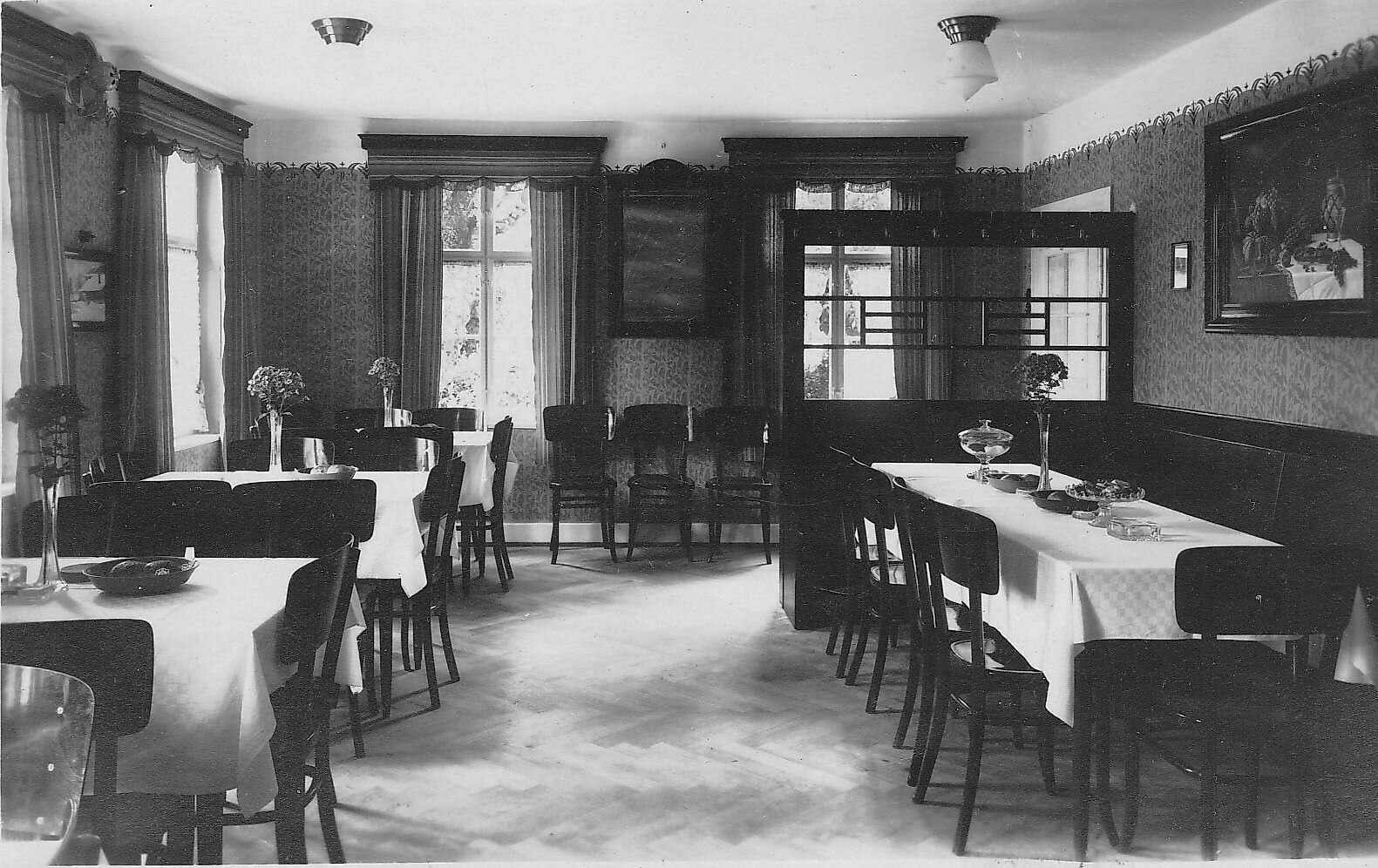
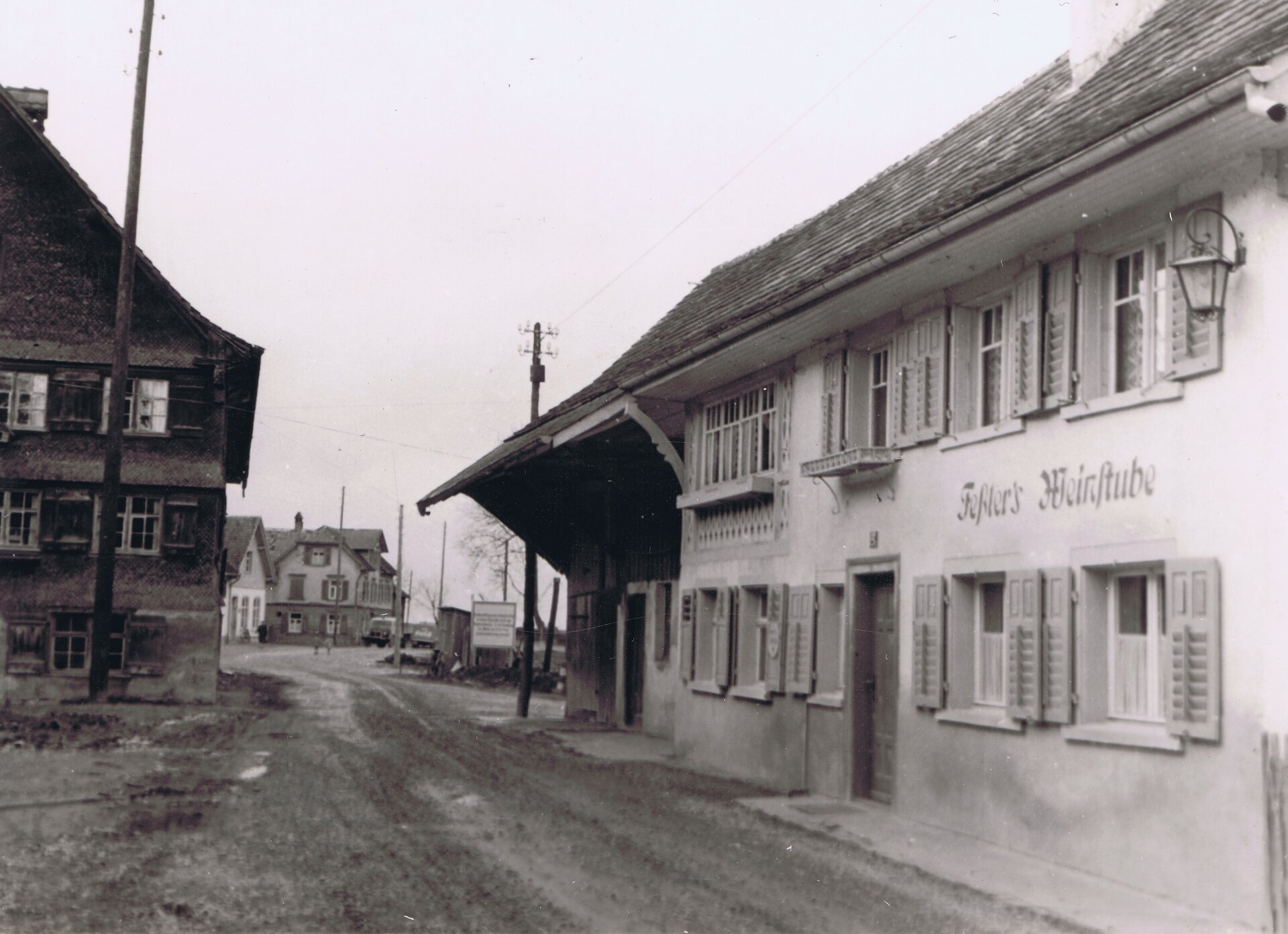
The movie theater was located in the “Sonne,” one of the oldest inns in Hard, which was already mentioned in a document from 1730 as one of three inns in Hard.
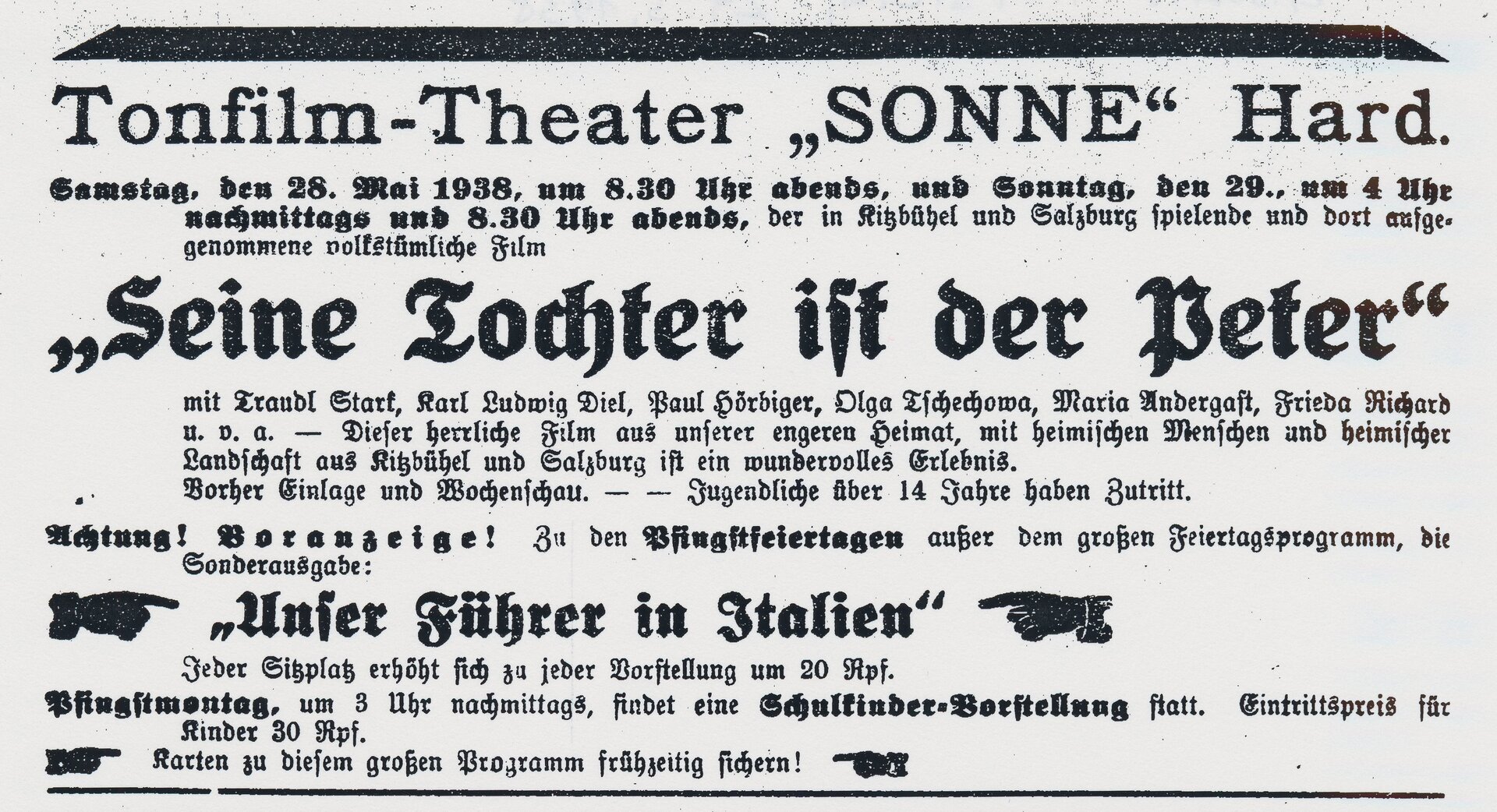
Brief Description
The movie theater was located in the “Sonne,” one of the oldest inns in Hard, which was already mentioned in a document from 1730 as one of three inns in Hard.
Description
Station 6: Roll the film!
Pastor Scheier of Hard was an avid moviegoer. He advised the projectionist to blur controversial scenes by adjusting the lens setting on the projector. He was not alone in this view: Due to the state’s film censorship, numerous films were banned, much to the delight of the movie theaters in Lindau. Due to their “brutalizing or demoralizing effect,” state law also required that individual scenes be cut from films before screening, including the murder scene from the Hitchcock thriller *Dial M for Murder*. Before the film was returned, the cut scenes were neatly pasted back in.
Early Years
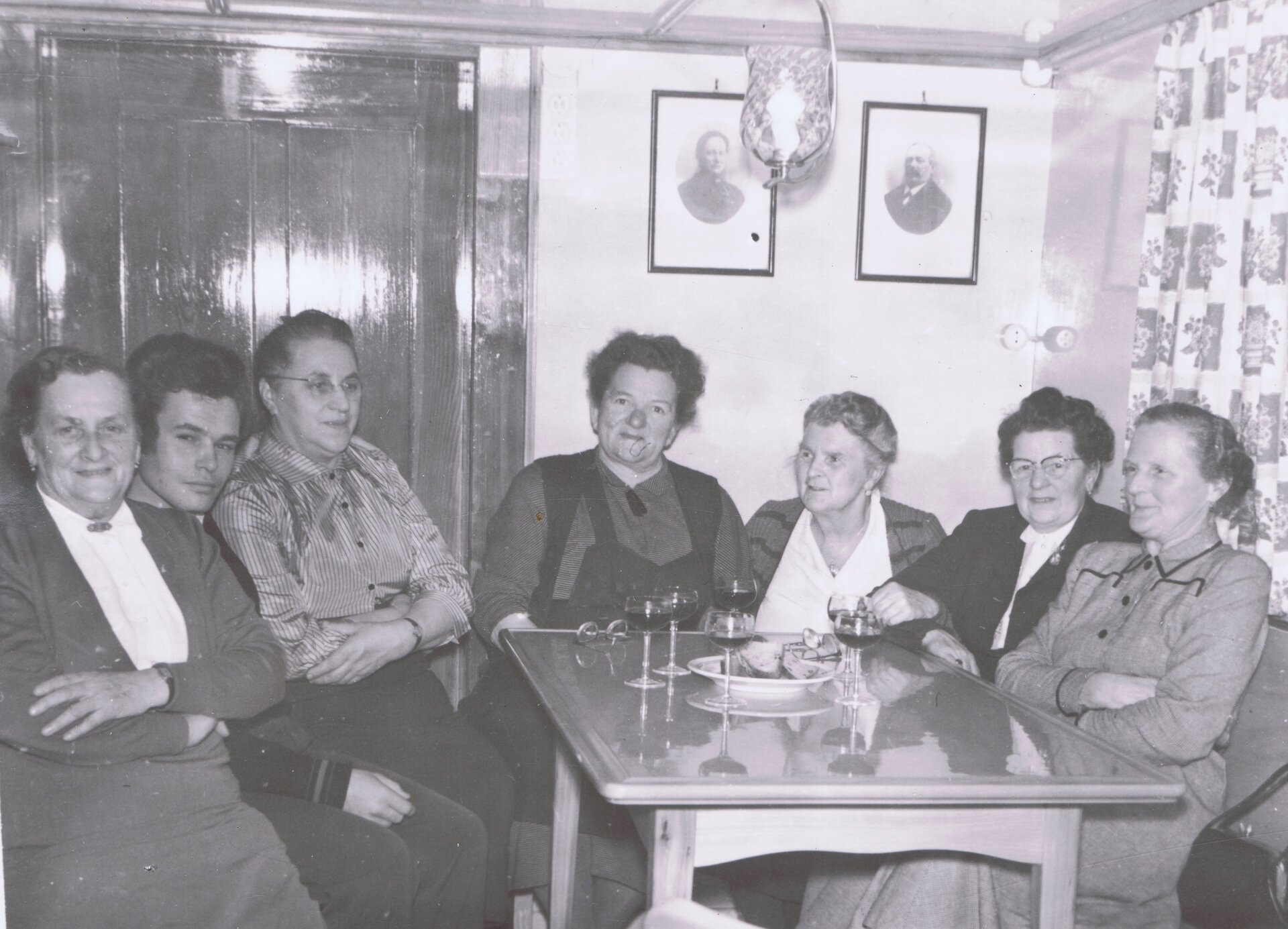
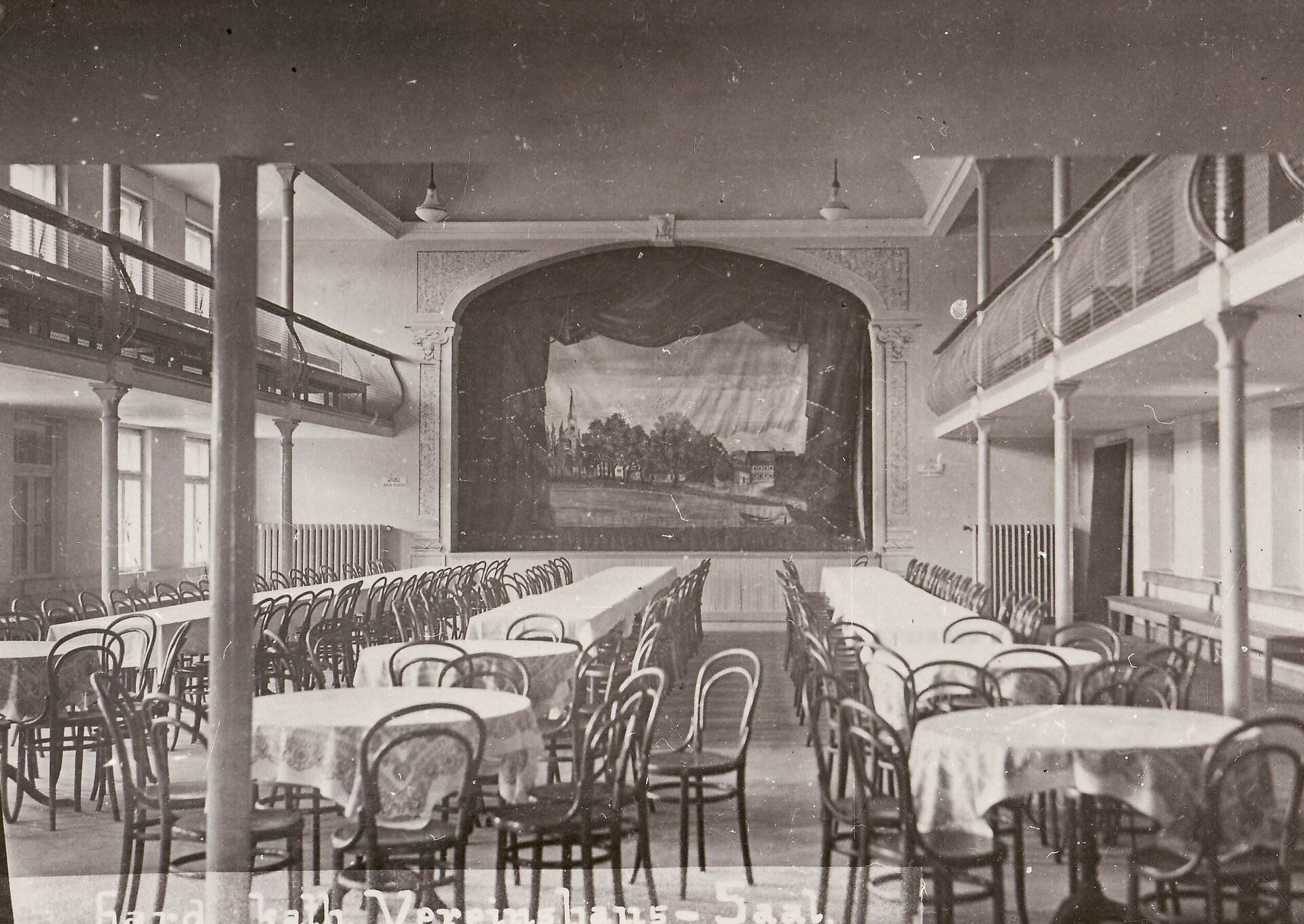
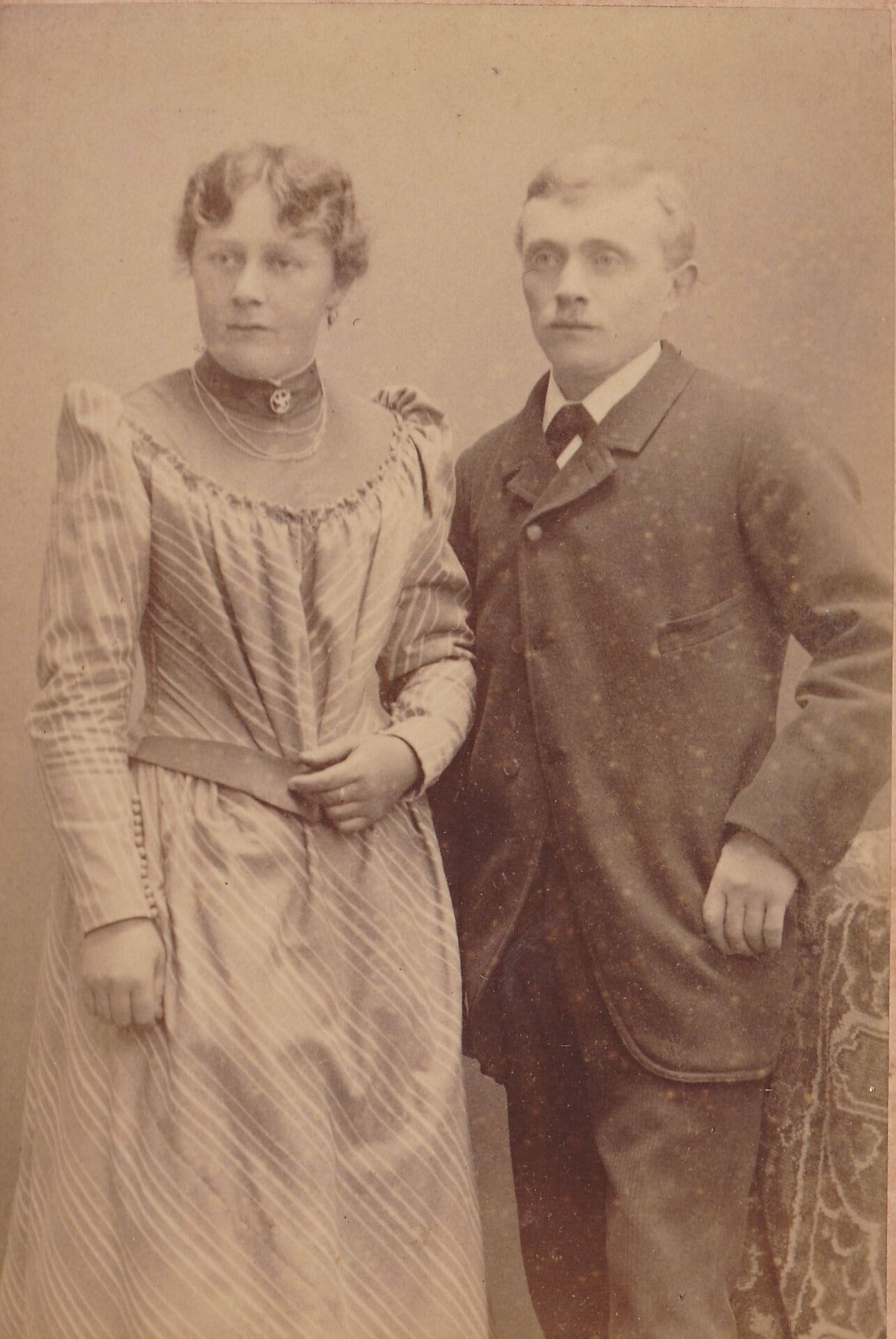
The cinema was housed in the “Sonne,” one of Hard’s oldest inns, which was already mentioned in a document from 1730 as one of three inns in Hard. In 1903, the Catholic Workers’ Association acquired the inn, which was thereafter used for various association activities under church supervision. The association’s orchestra, the gymnastics club, the choir, and the theater group all found a home there. The building also housed the first public library, which contained about 400 volumes. A fire during an association meeting in 1925 destroyed the building. To finance the new construction, a steady source of income was needed. The workers’ association saw the establishment of a movie theater as the ideal opportunity to both generate funds and fulfill its educational and cultural mission. Thus, in the mid-1920s, the first silent film flickered across the screen. A few years later, even the first sound film was shown: “Der Herr Kammersänger.” Since the soundtrack was not yet recorded on the film itself at that time, records supplied with the film were played simultaneously on two record players. A break was necessary after each reel of film, as the theater had only one projector. The movie lineup in the early years reflected the audience’s preference for romance and musical films.
Heyday
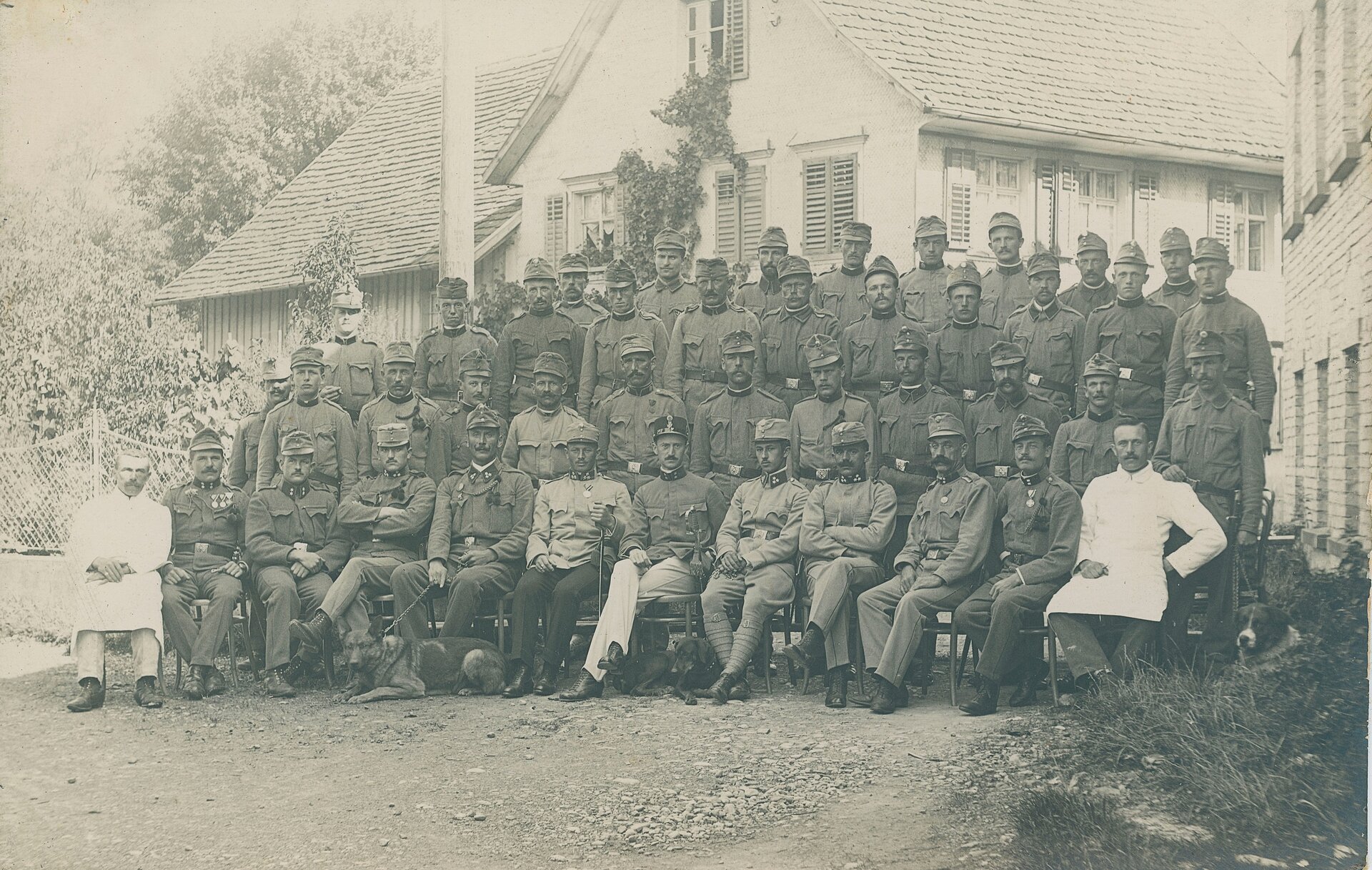
In 1938, following the annexation by the German Reich, the Catholic Workers’ Association was dissolved and the “Sonne” was sold to the Savings and Loan Association. After the war ended, the French occupying forces confiscated the cinema. It served as quarters and screened films exclusively for their own soldiers. Eventually, the Workers’ Association regained possession of the building and resumed operations. Renamed the “Lichtspieltheater Sonne,” it experienced its heyday in the 1950s, before television became a fixture in every household. During this period, the theater drew up to 70,000 visitors per year. Local films such as “Die Fischerin von Lake Constance” were particularly popular, but Westerns and adventure films also drew large crowds.
The role of the projectionist was central to the cinema’s operations. He was not only responsible for screening the films but also for transporting the film reels and putting up posters. Each film arrived by express train from Vienna and was sent back there as well. The projectionist transported the film package, weighing about 20 kg, six times a week to and from the Harder train station.
Until the late 1950s, the auditorium—which could seat up to 430 people—had to be cleared for ball events during Carnival, which interrupted movie screenings for several weeks. With the purchase of folding chairs, the renovation became too costly; Hard’s ball events were moved to the Löwensaal, and the cinema was able to show films without interruption.
The Cinema Experience
As early as 15 minutes before the show, the auditorium would fill up; music from the latest records would play, and short promotional films and slide advertisements—mostly from local companies—would be shown.
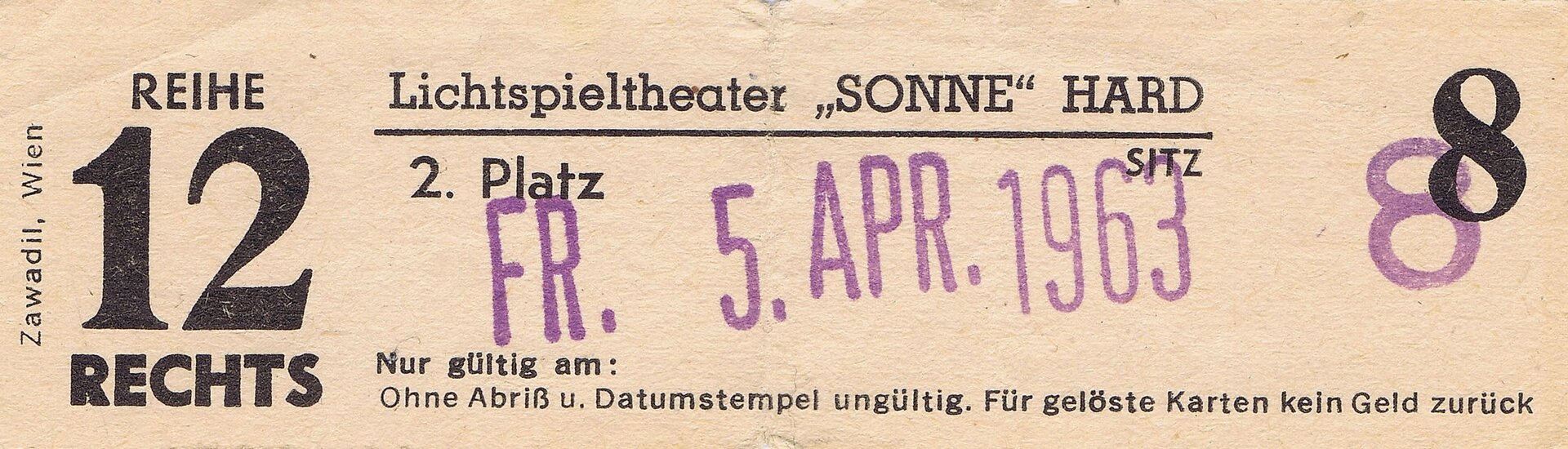
The best seat in the Harder Kino was in the center of the balcony and cost 5 schillings at the time (about 36 cents today). Every Sunday there were three showings, at 3:00 p.m., 6:00 p.m., and 8:00 p.m. People bought their tickets as early as Wednesday, for fear of not getting any.
In 1968, the cinema closed due to a lack of profitability. The reason for this was the impact of the new television and the cinemas in Bregenz.
Links
Location
- Address
- Lake Tour - Open-Air Movie Theater 6971 Hard, Austria