


Lake Tour - Driftwood
Description
In the 19th century, the village stream carried so much water that it powered mills and sawmills. Many businesses needed large quantities of wood for their production, and wood was abundant in the region.
Brief Description
In the 19th century, the village stream carried so much water that it powered mills and sawmills. Many businesses needed large quantities of wood for their production, and wood was abundant in the region.
Log Driving and Boating in Hard
The Logs' Waterway
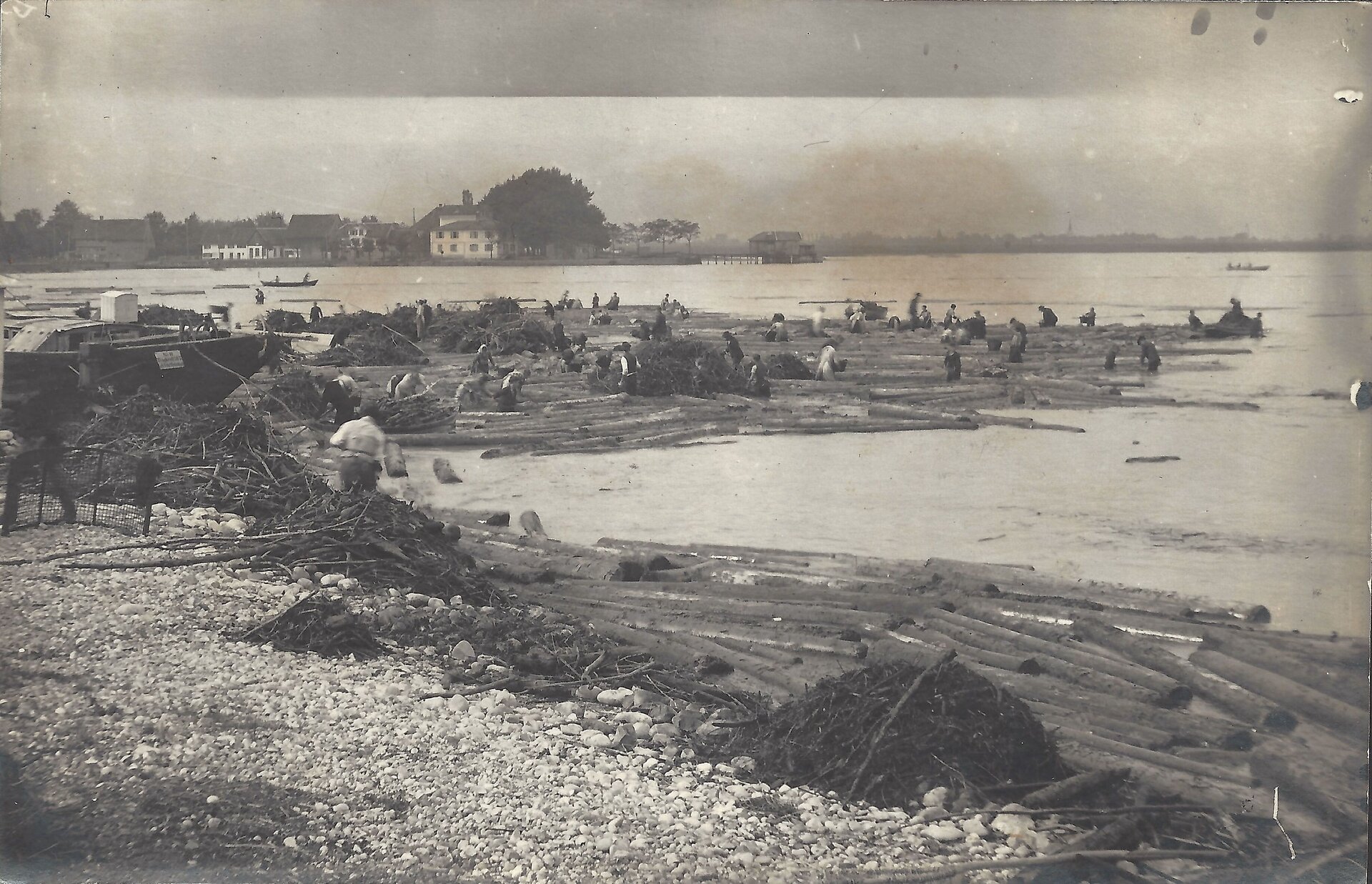
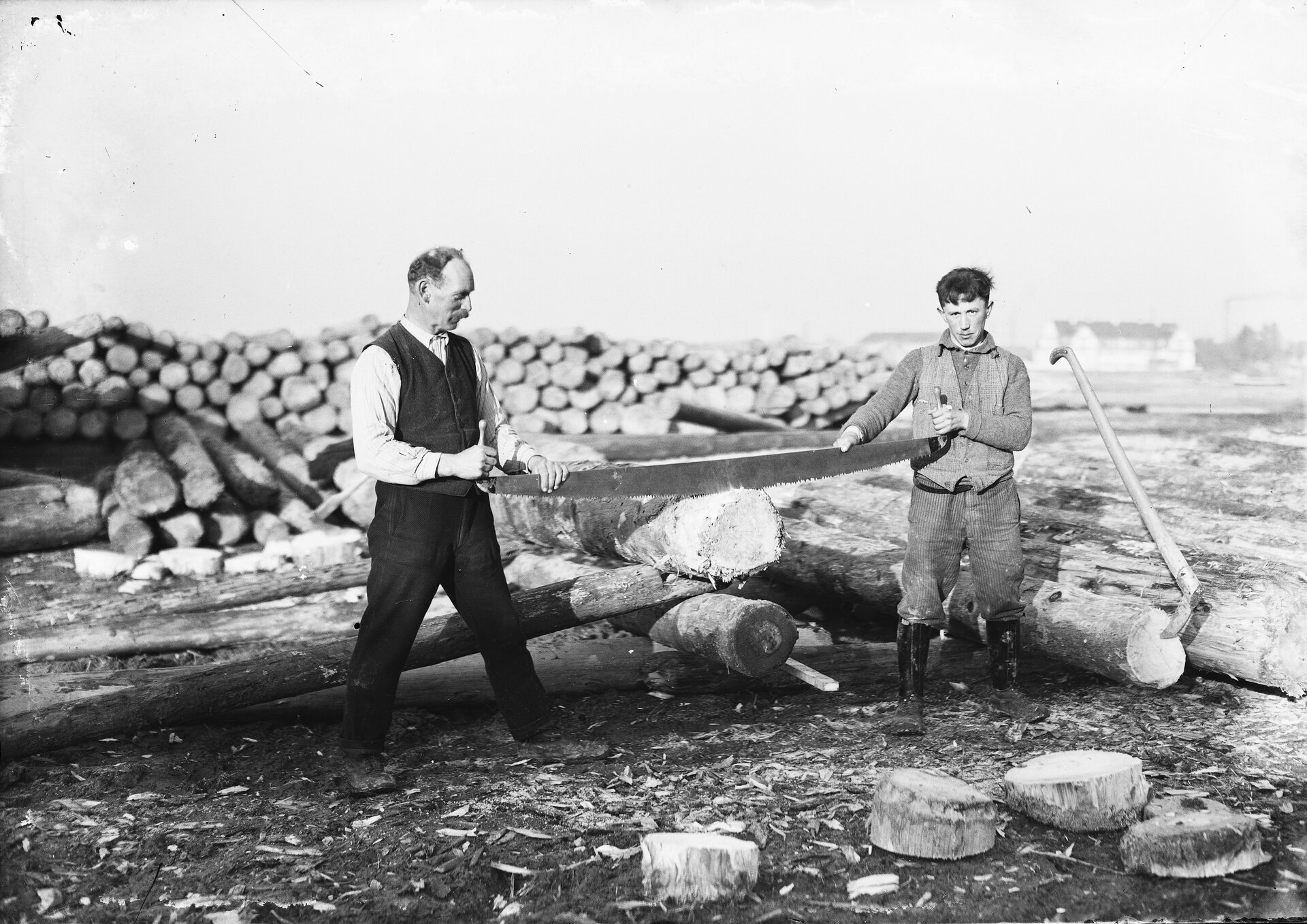
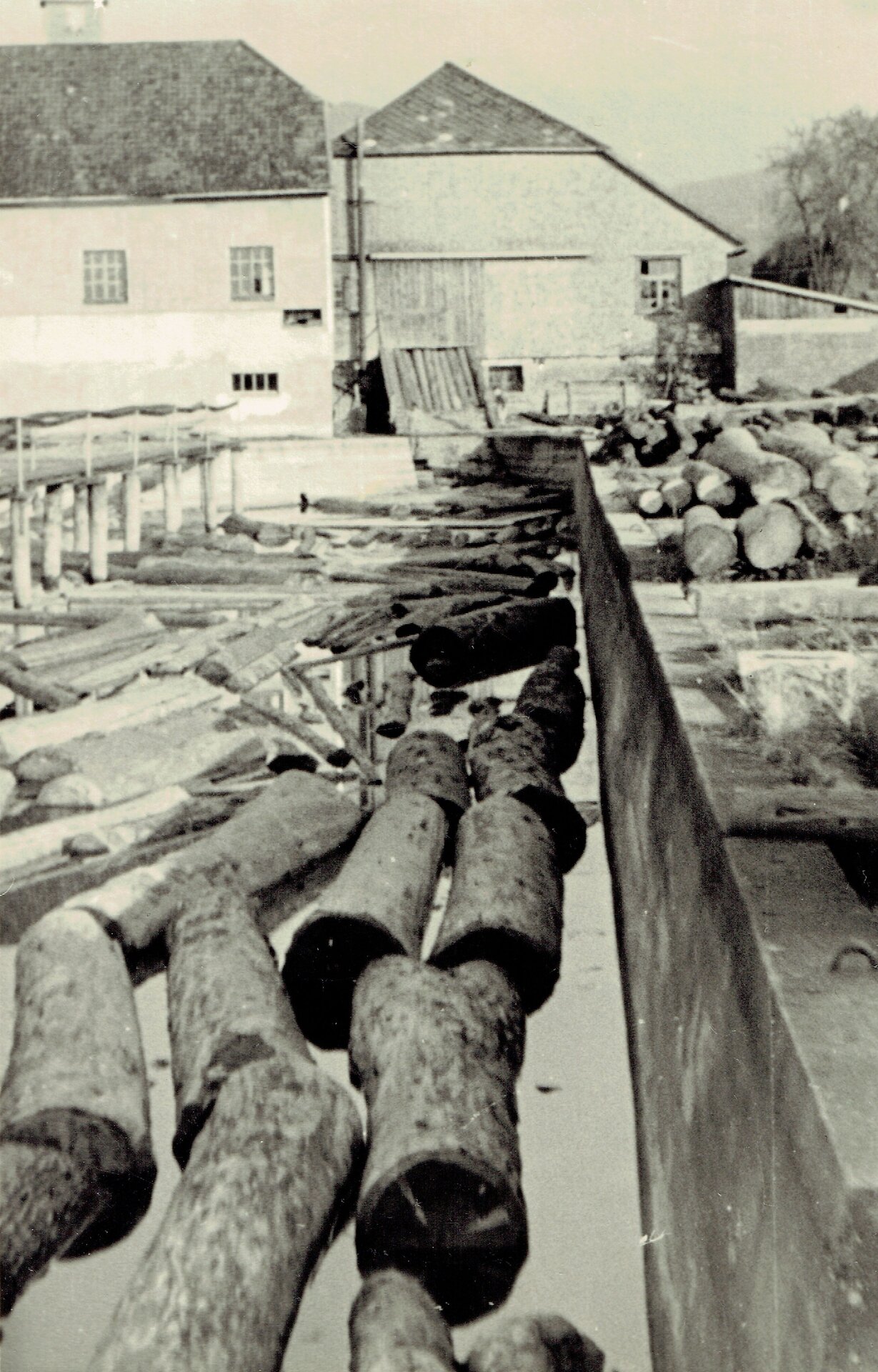
In the 19th century, the village stream carried so much water that it powered mills and sawmills. Many businesses required large quantities of wood for their production, which was abundant in the region. But transporting it posed a challenge—and at the same time offered a lucrative source of income for the Harder timber merchants.
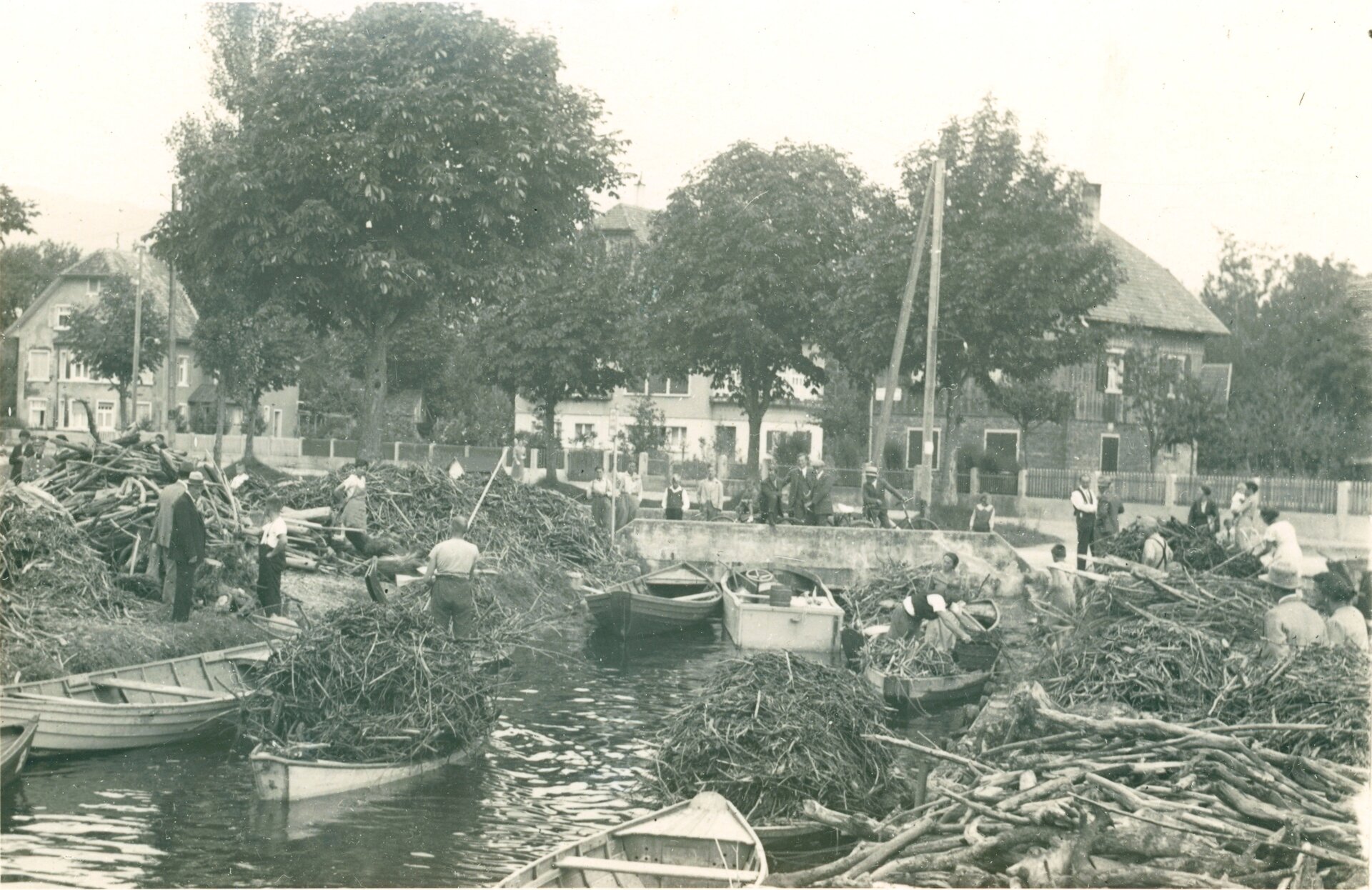
The practice known as “wild timber rafting” had a long tradition in Vorarlberg: Each piece of timber was placed individually in the water, and the current was used as a means of transport—not only on large rivers but also on smaller tributaries. The logs often came from the Bregenzerwald and were floated down the Bregenzer Ache to Hard during thunderstorms or the snowmelt. To prevent the timber from drifting into Lake Constance, a long, floating boom was erected that spanned the mouth of the Ache, forming a wide arc across the lake. From the boom, the timber was transported to storage areas using special wooden boats.
Since several timber owners always floated their logs together, the timber was marked and sorted at the destination. It often took one to two years—sometimes even longer—for the logs to reach the rake. Due to the complex logistics and changing requirements, log driving on the Bregenzer Ache and its tributaries was finally discontinued in the early 1950s.
The Stede and Boats
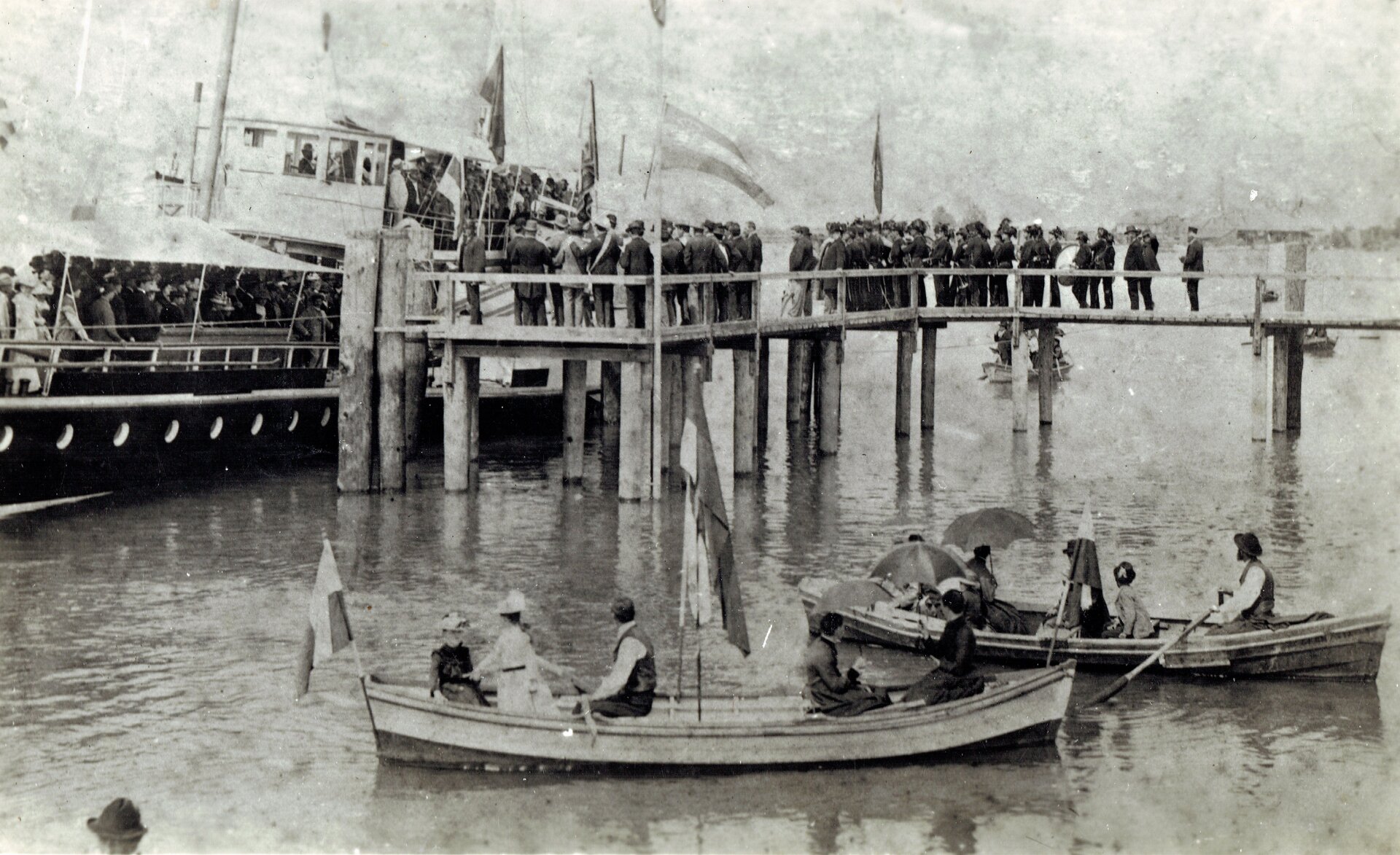
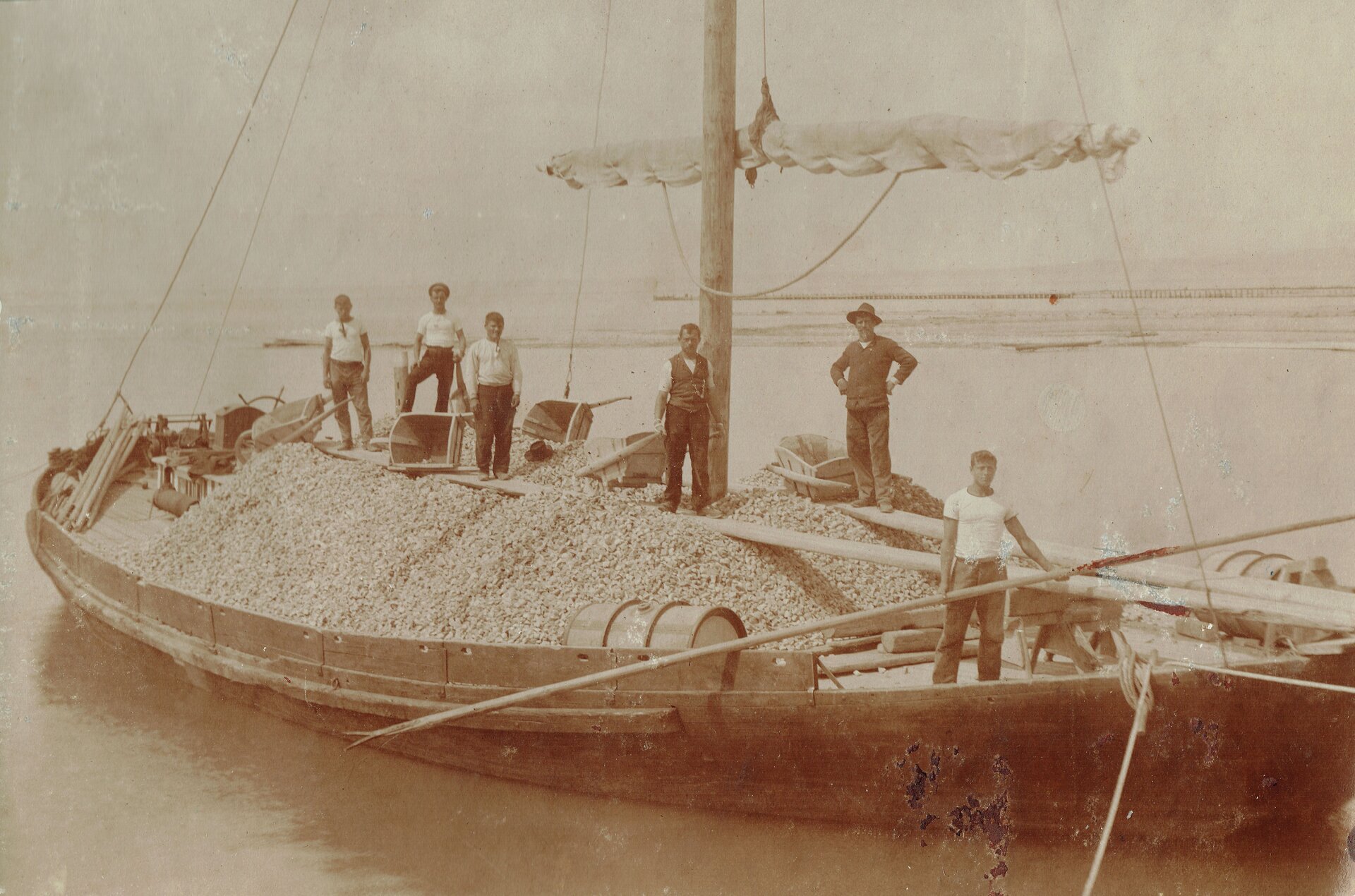
Goods were handled in Hard at the so-called “Stede,” a traditional boat landing located across from what is now Seestraße 37. Boats were loaded and unloaded there, and customs duties were collected for exported goods at the old customs house. In 1813–14, the Stede was renovated, during which a 160-meter-long dam was built extending into the lake. This period marked the heyday of shipping in Hard, which lasted until the opening of the railroad in 1883.
However, with the cutting of the Rhine in 1900, the Harder Bay began to silt up, heralding the end of the Stede: sandbars increasingly hampered shipping traffic, and many boatmen moved their vessels to the so-called “Baggerloch,” where the customs port is located today. By 1925, the Stede was no longer a landing stage.
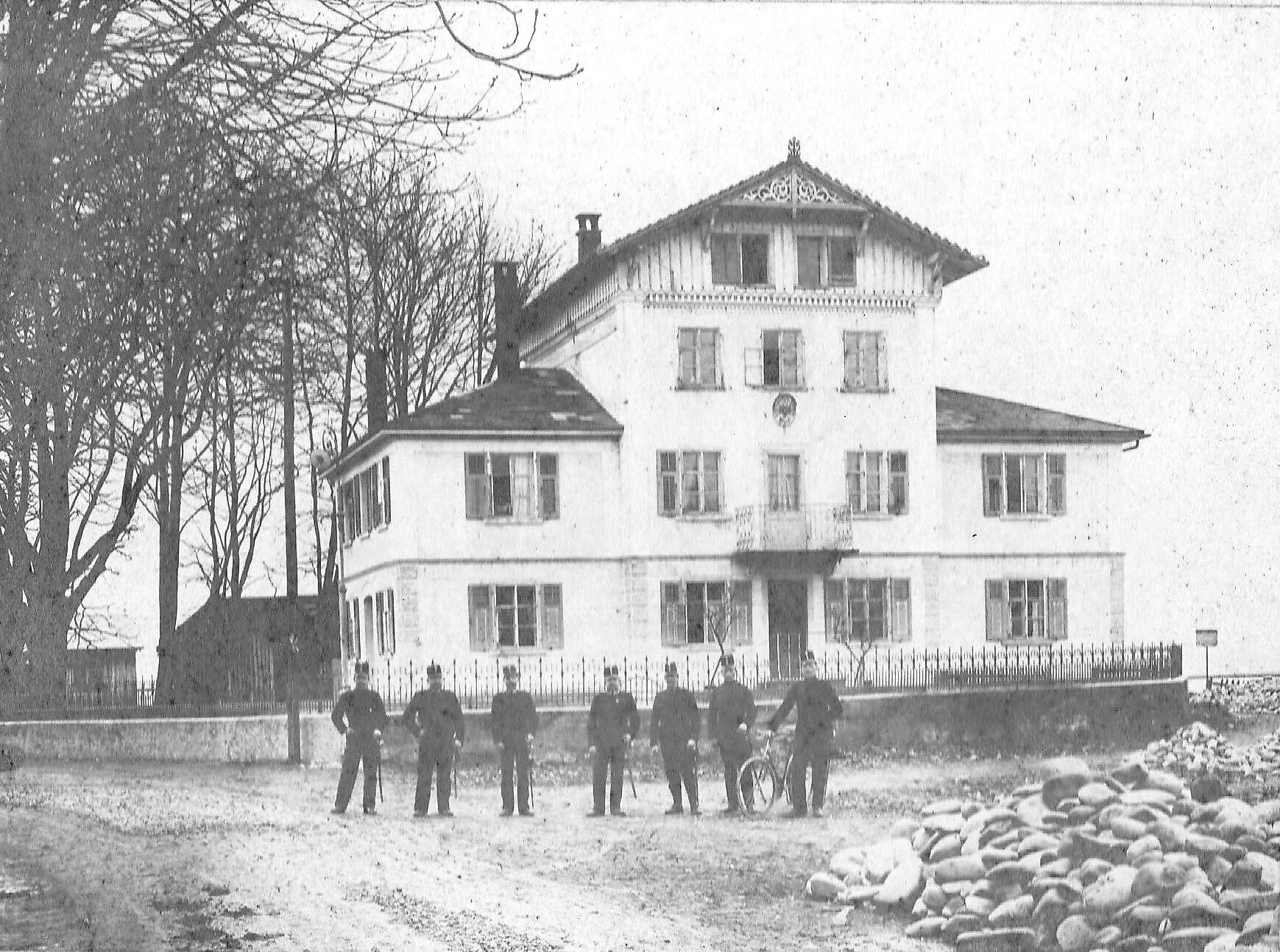
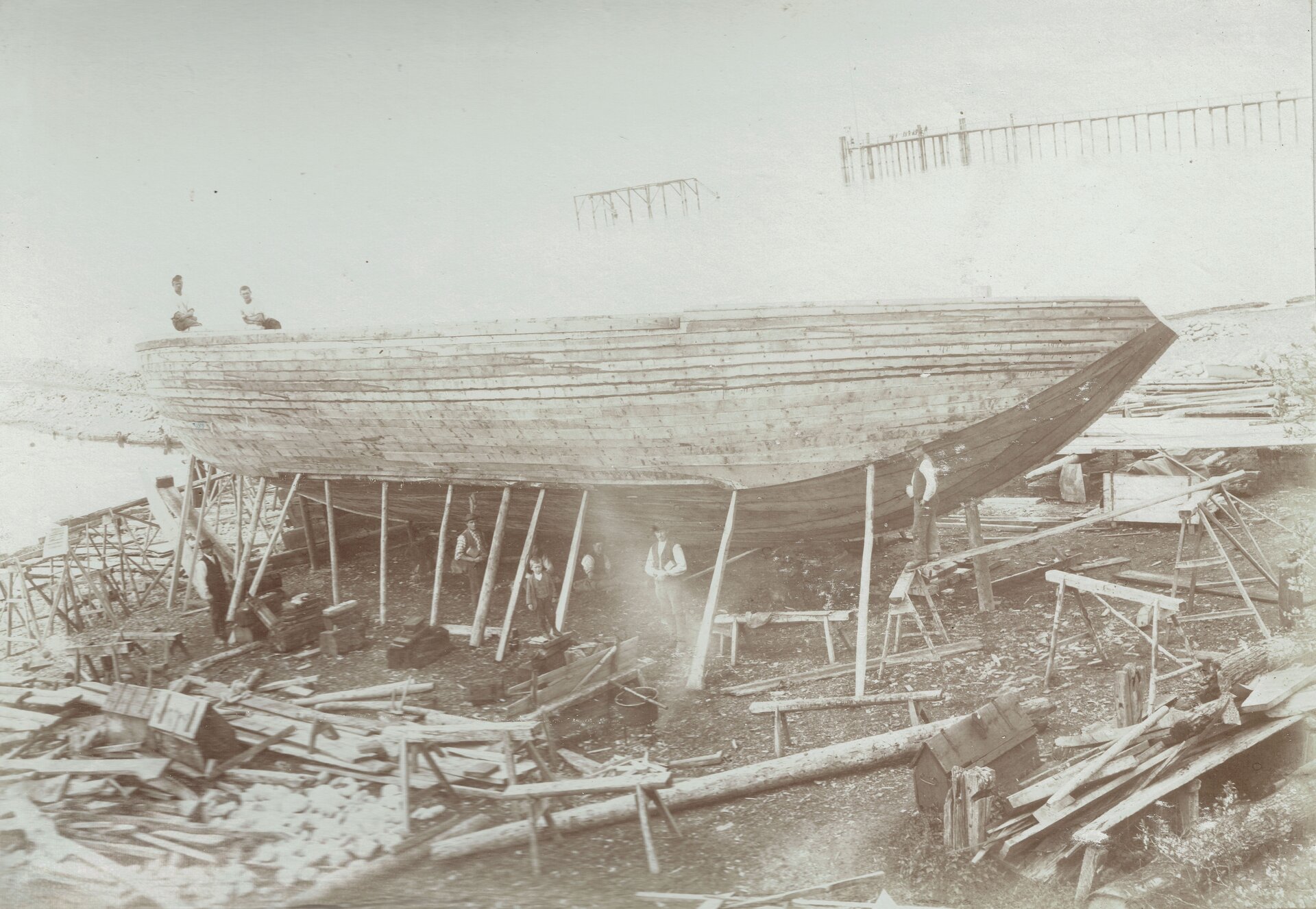
Hard was also an important center of shipbuilding on Lake Constance. Directly in front of the Stede embankment was the shipyard, where ships were built in the open air. In 1919, master shipbuilder Johann Hermann erected a shipbuilding hall at this site, which the residents called “d’Hall.” Later, the operators of the poorhouse used it as a barn.
Location
- Address
- Lake Tour - Driftwood 6971 Hard