


Lake Tour - As Far as It Goes
Description
It was the idea that fascinated so many people. Supposedly, no one had ever sailed across the Atlantic in such a small boat.
Brief Description
It was the idea that fascinated so many people. Supposedly, no one had ever sailed across the Atlantic in such a small boat.
Description
"That's How It Goes"
Plunder—the Brilliant Adventurer
It was an idea that fascinated many people. Supposedly, no one had ever sailed across the Atlantic in such a small boat.
As the warmer season began, whole groups flocked to the workshop to see the “Sowitasgoht.” Curious, they marveled at the ship that was set to sail across the Atlantic.
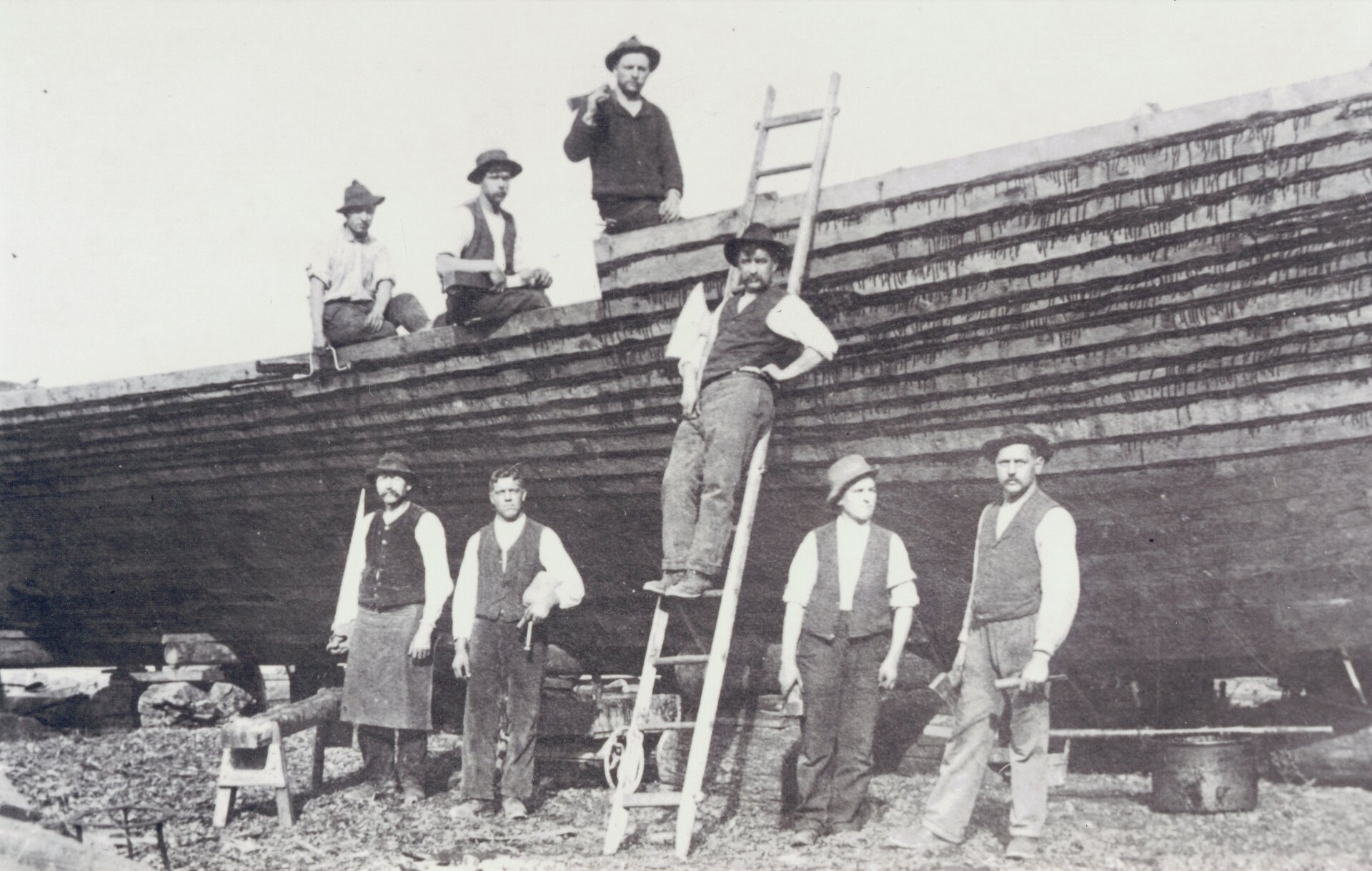
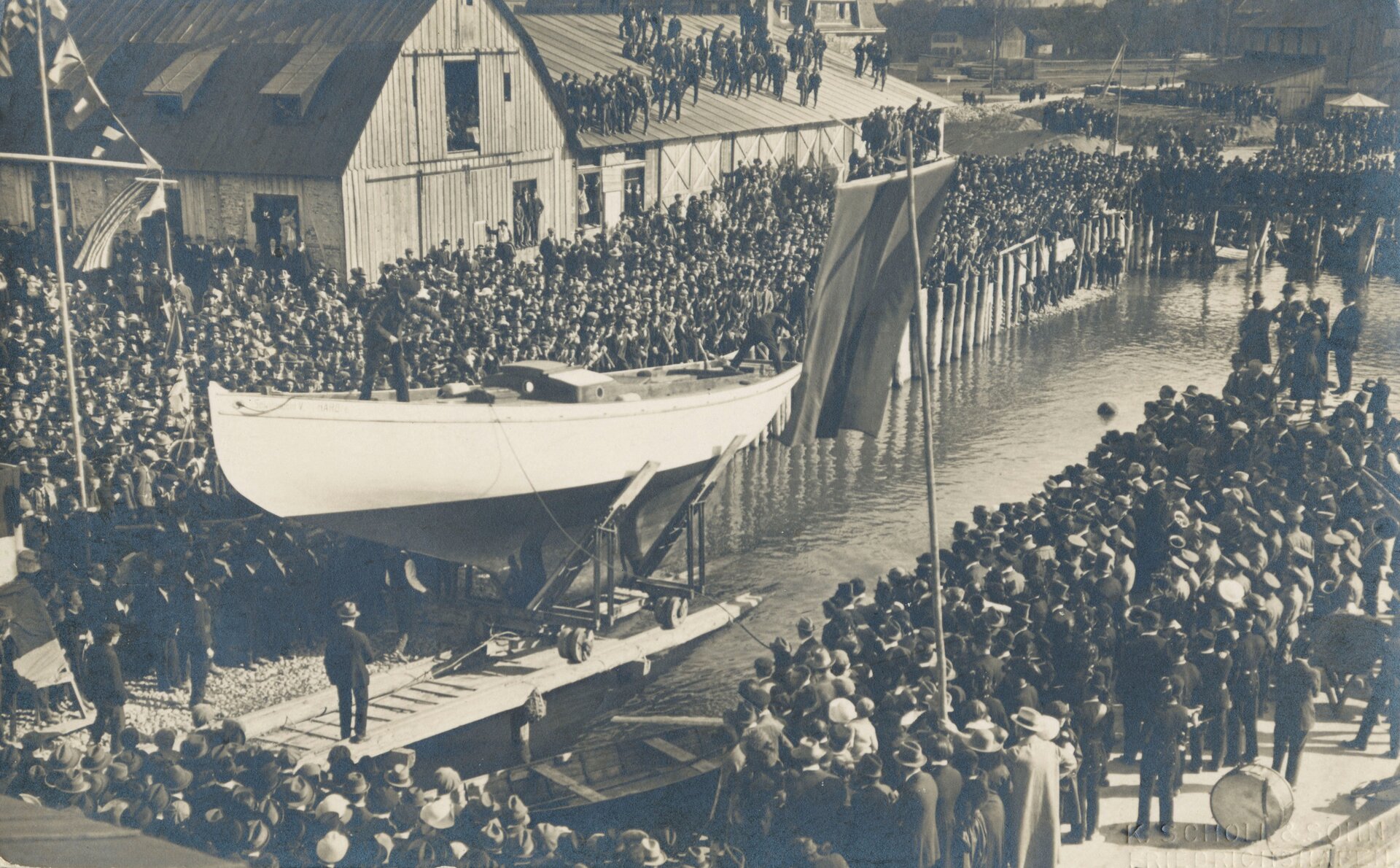
Franz Plunder, a trained sculptor, taught himself to be a sailor and boatbuilder and, together with two friends, built the 14-meter-long ocean cruiser “Sowitasgoht V.” On Easter Sunday, 1923, the ship was launched. After 61 days and 5,800 nautical miles, the four sun-tanned men arrived at the quarantine station in New York on September 23, 1923.
Porsche—a missed opportunity?
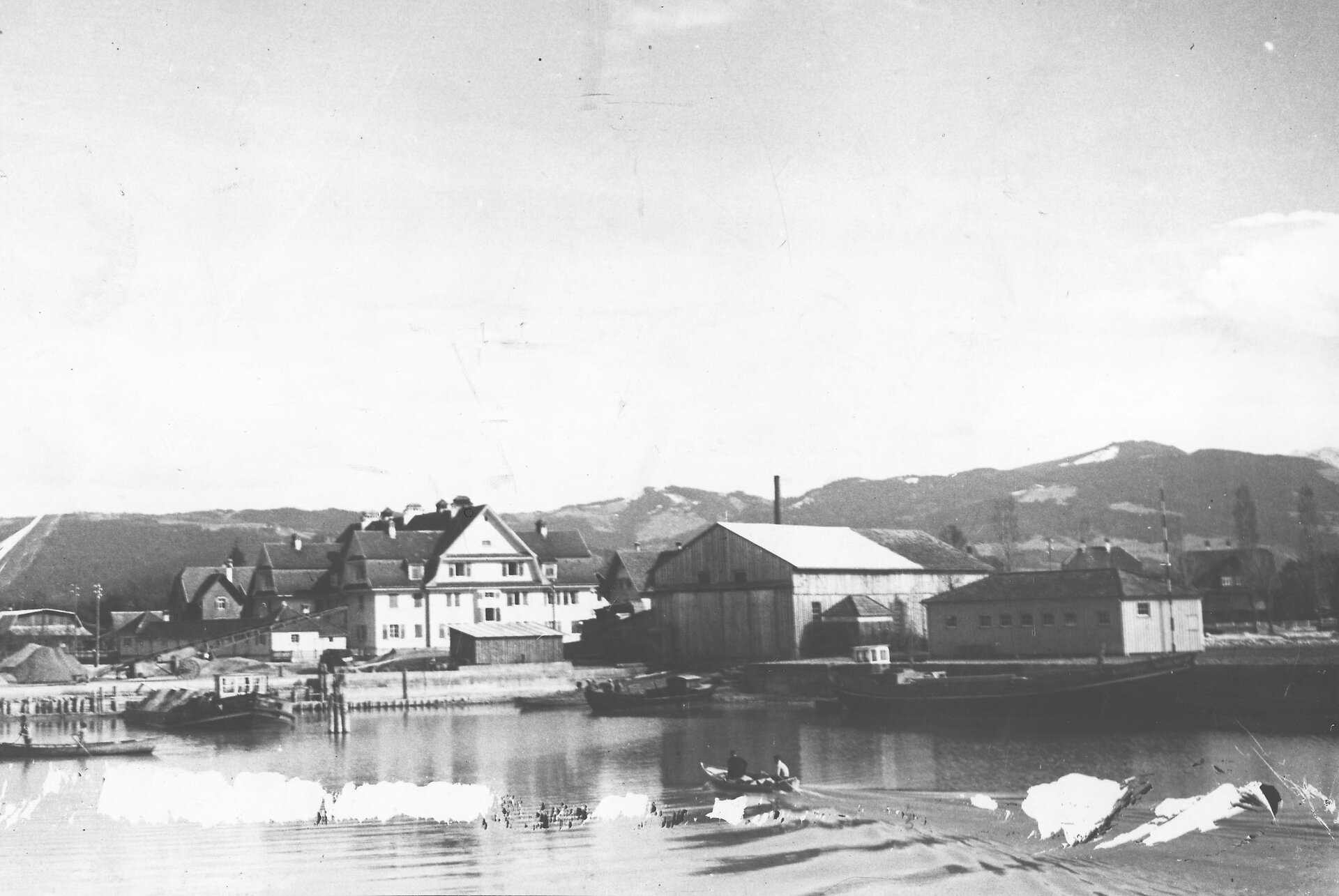
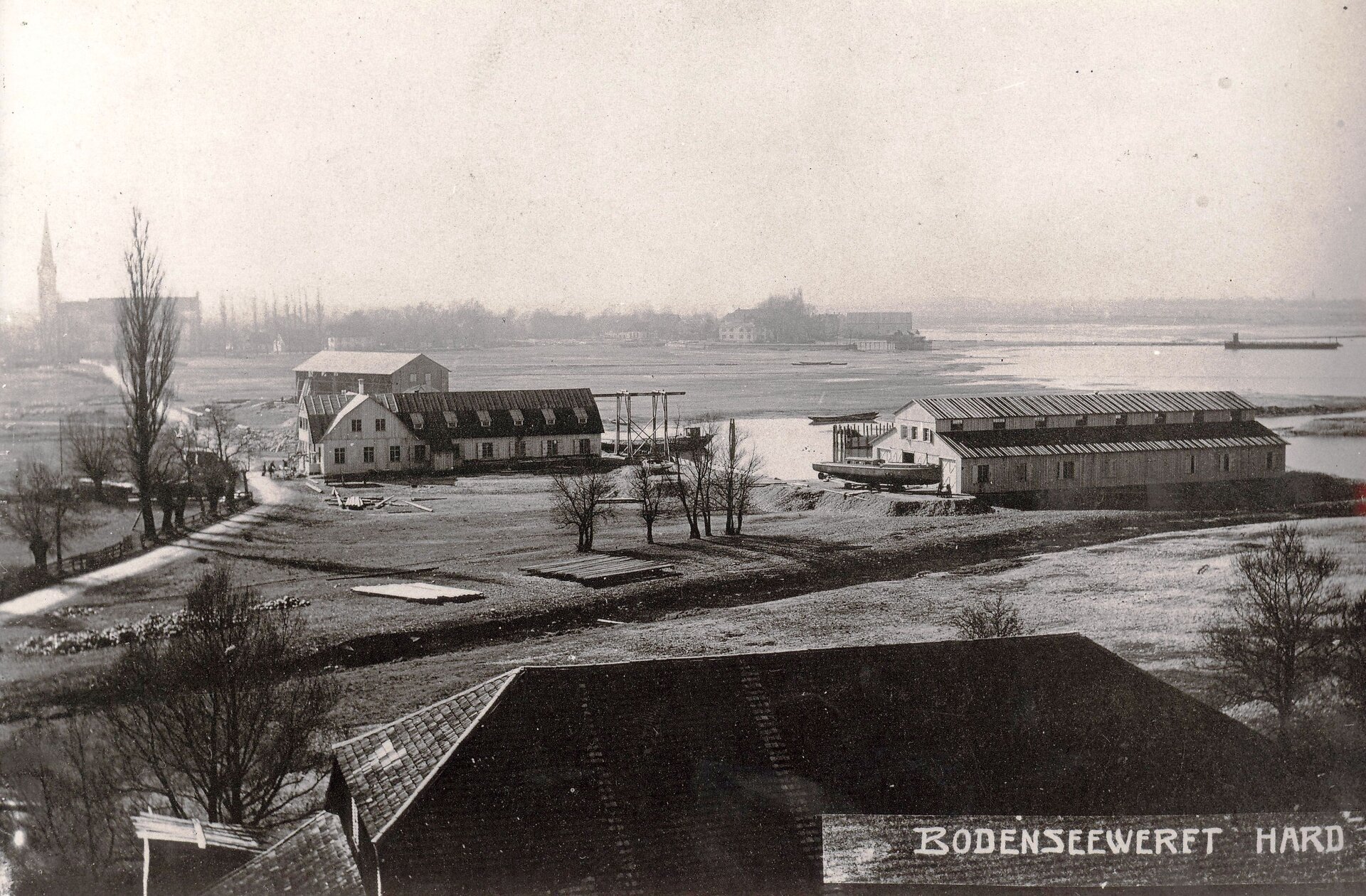
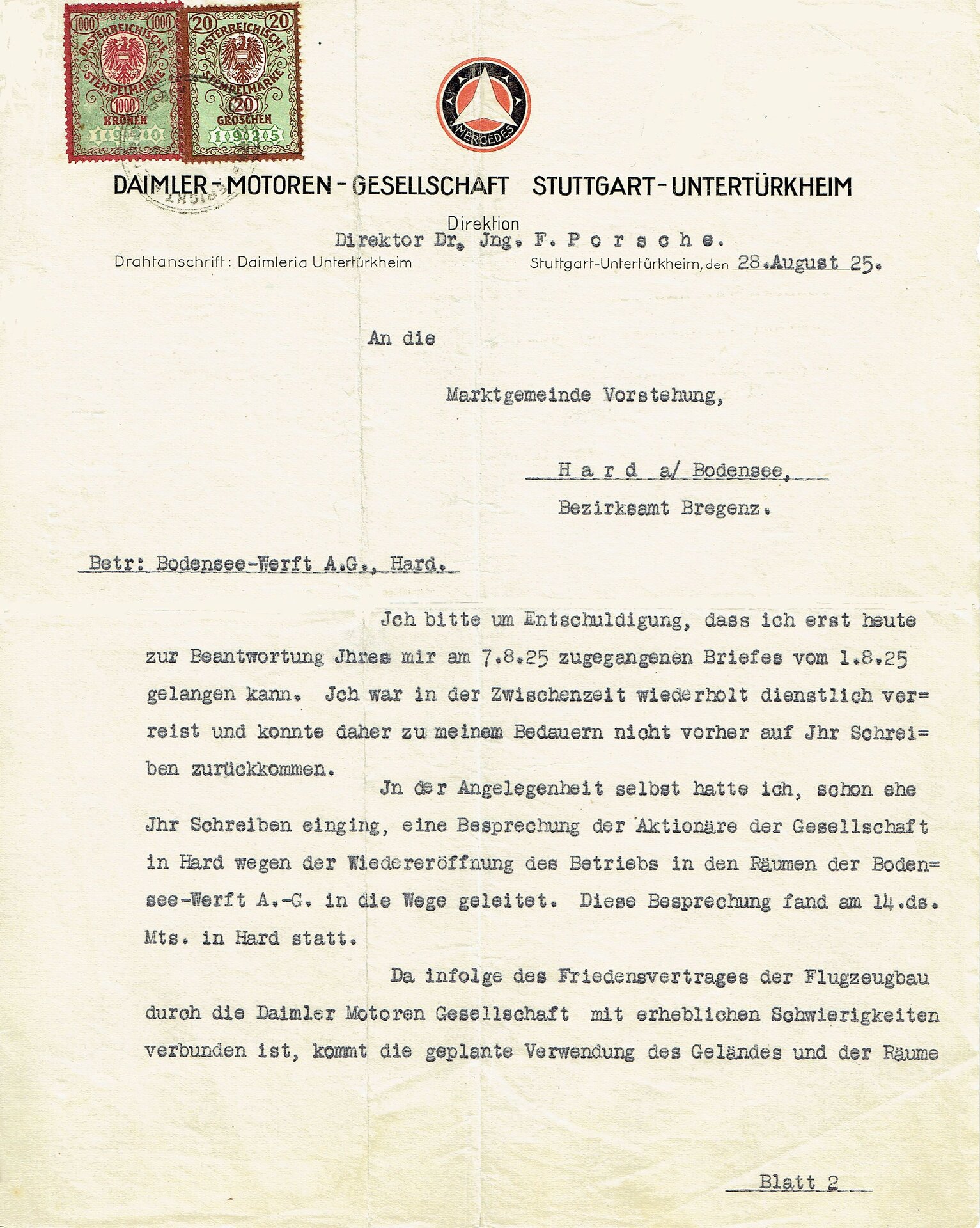
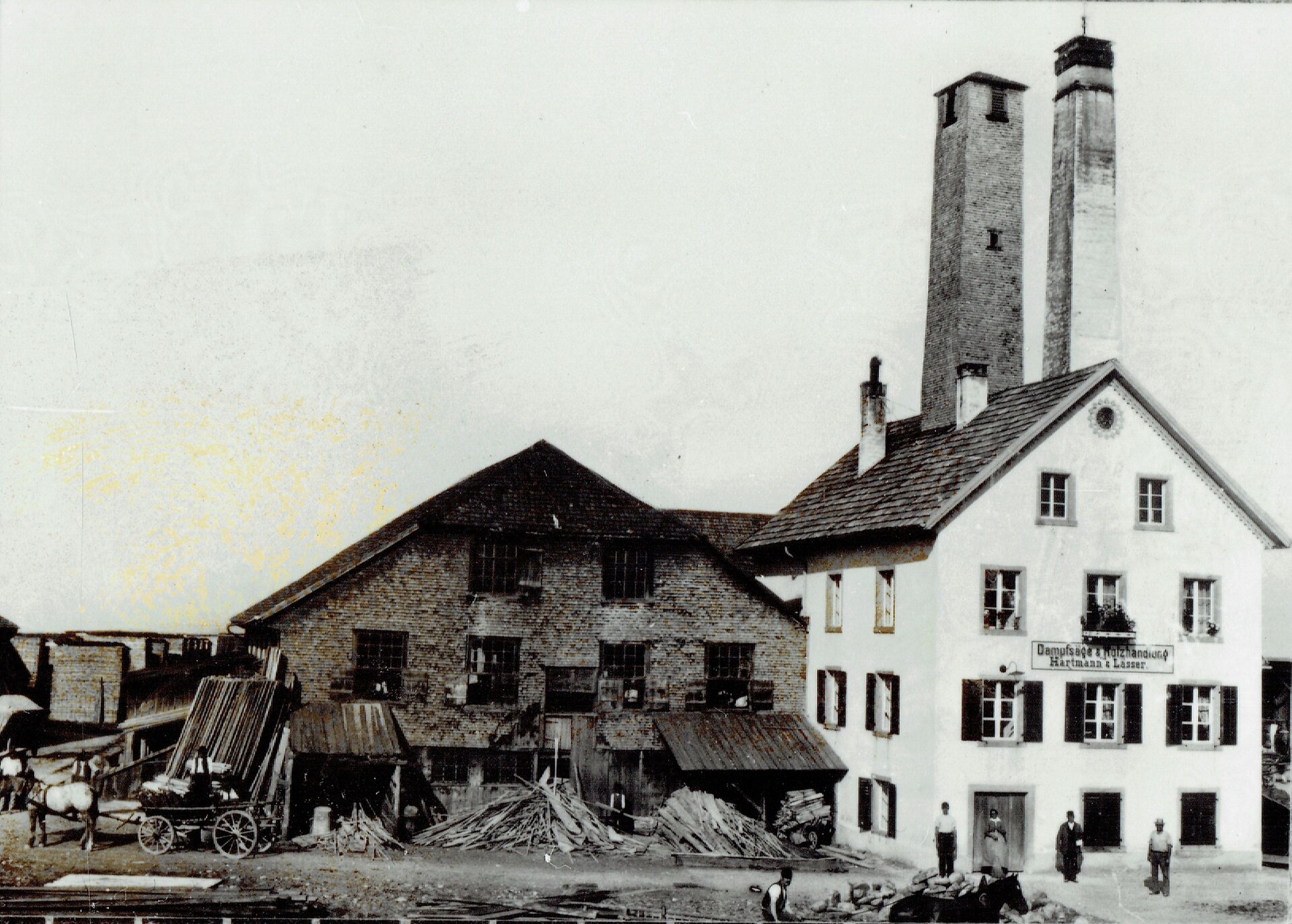
Meanwhile, Ferdinand Porsche of the Daimler-Motorengesellschaft in Wiener Neustadt had expressed interest in the “Plunder Boat Yard.” In Hard, there were plans to produce motorized VAR compact cars and flying boats from Daimler. In addition, Porsche—who later invented the VW Beetle—pursued the vision of founding his own car manufacturing plant on Lake Constance. “A product from Vorarlberg, weighing 300 kilograms, with three seats. The car for the businessman,” proclaimed the newspaper advertisements. The economic crisis prevented the planned mass production of the “Ländle” car.
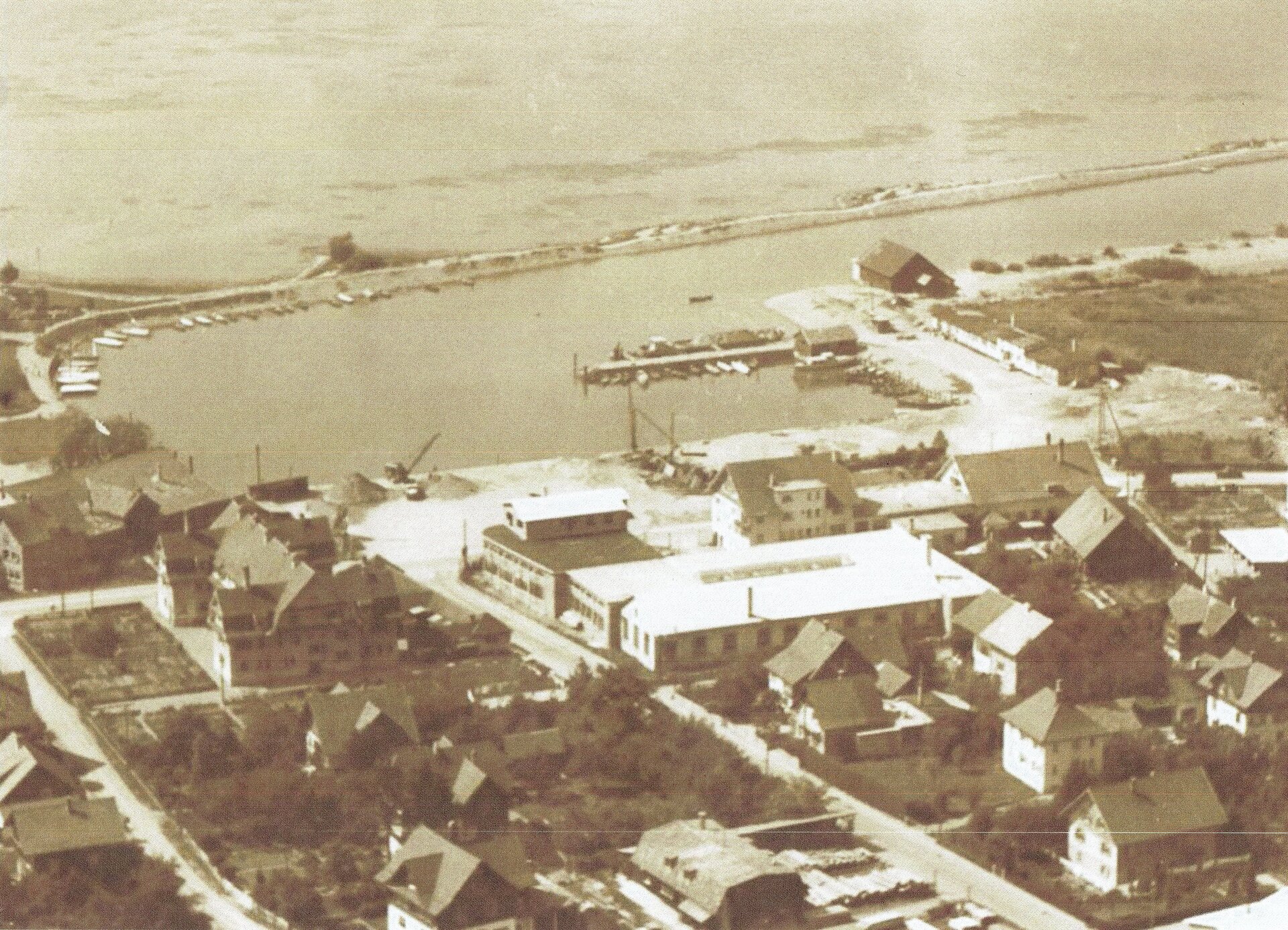
In 1921, Porsche acquired the shipyard and founded “Lake Constance-Werft AG” a year later. The company was intended to build not only sailboats but also motorboats and motor yachts. However, in this case, the ambitious plans remained just that: In addition to the shipyard, Porsche was interested in other properties in Hard. He acquired them on the condition that he build a car factory there, as promised. But when he opened the factory in Stuttgart instead and sought to use the properties in Hard for private purposes, a legal dispute ensued that lasted several years.
Alois Feuerstein’s “Knirps”
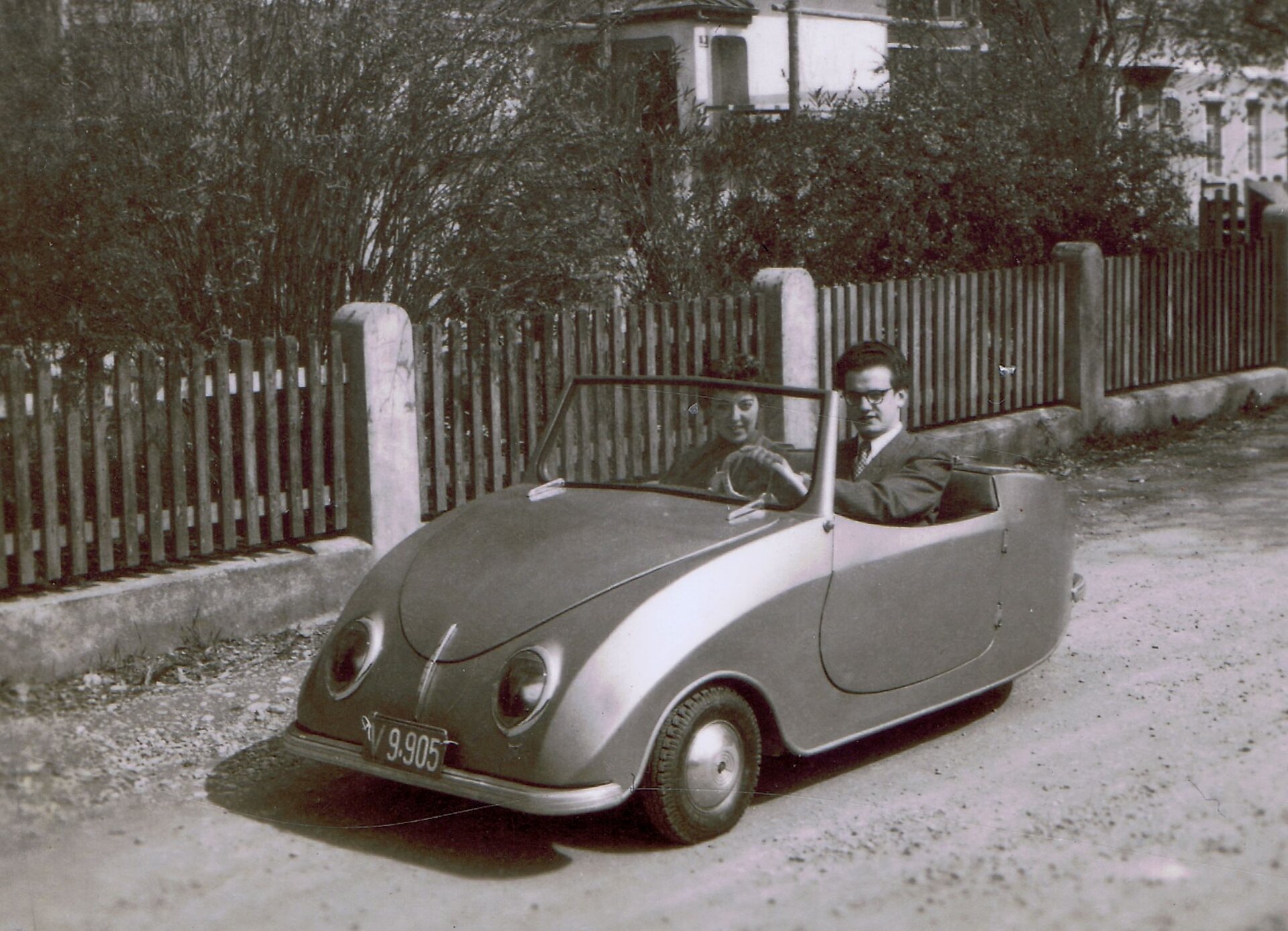
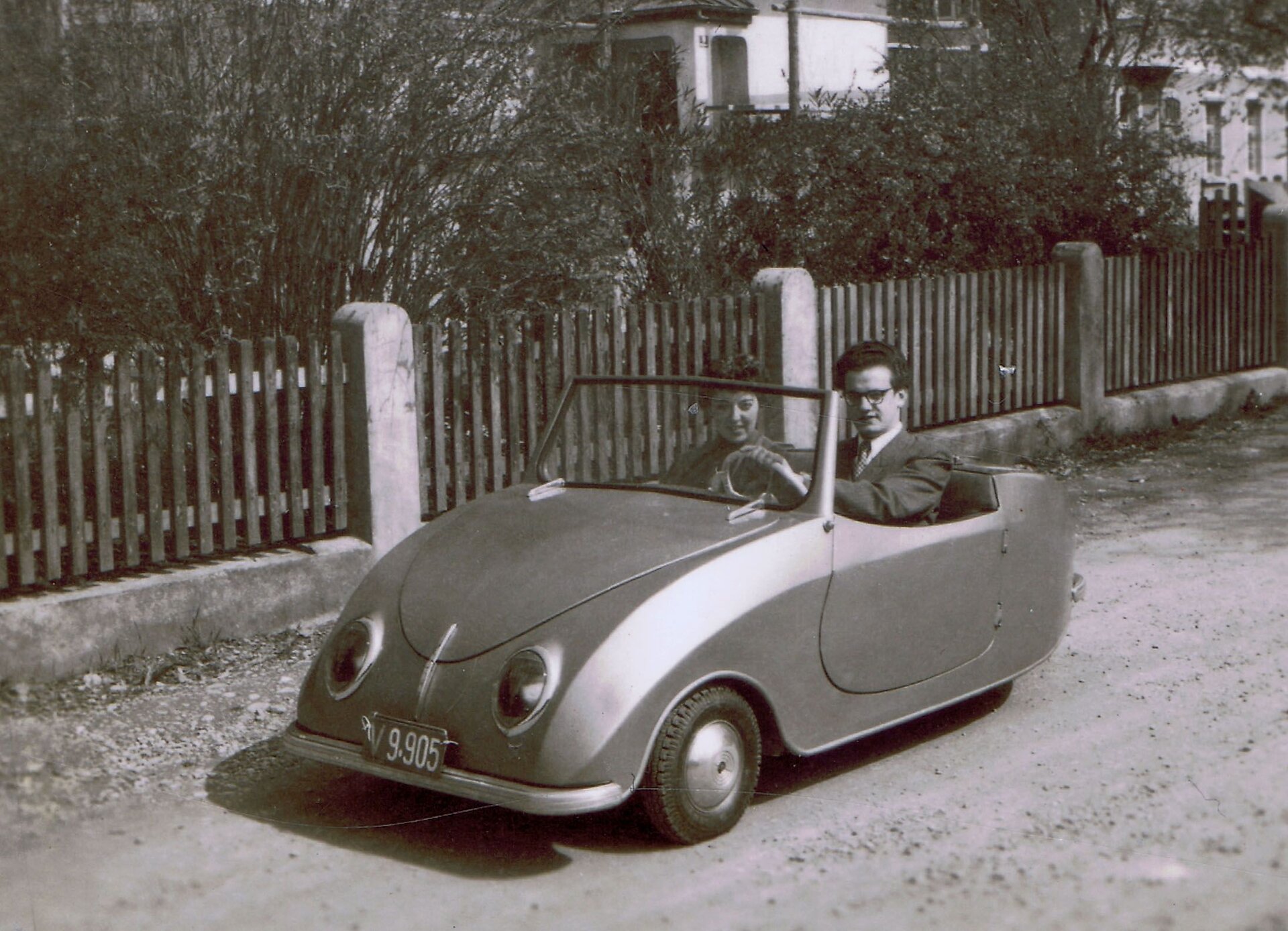
Two years after the end of World War II, Alois Feuerstein—who had previously worked for several years at Daimler in Wiener Neustadt—moved to Hard and founded a business there at the “Baggerloch.” His company’s product range included the manufacture of refrigeration systems, refrigeration compressors, and lighting fixtures. But Feuerstein, who came from the automotive industry, had bigger ambitions: He wanted to build cars—more specifically, small cars. In 1954, the time had finally come: The “Knirps” was completed. The charming little vehicle featured a 4-speed transmission, had three wheels, was a two-door with two seats, and measured only 2.8 meters in length. Feuerstein intended to mass-produce his mini-car, but his search for financing was in vain. As a result, the “Knirps” ultimately found only one buyer in Lochau, where it is said to have remained in use for many years. Tragically, Feuerstein died just one year after completing his car. The “Knirps” from Hard thus remained a one-of-a-kind vehicle.
Hard During the War: Arms Production, Assault Boats, and Resettlers
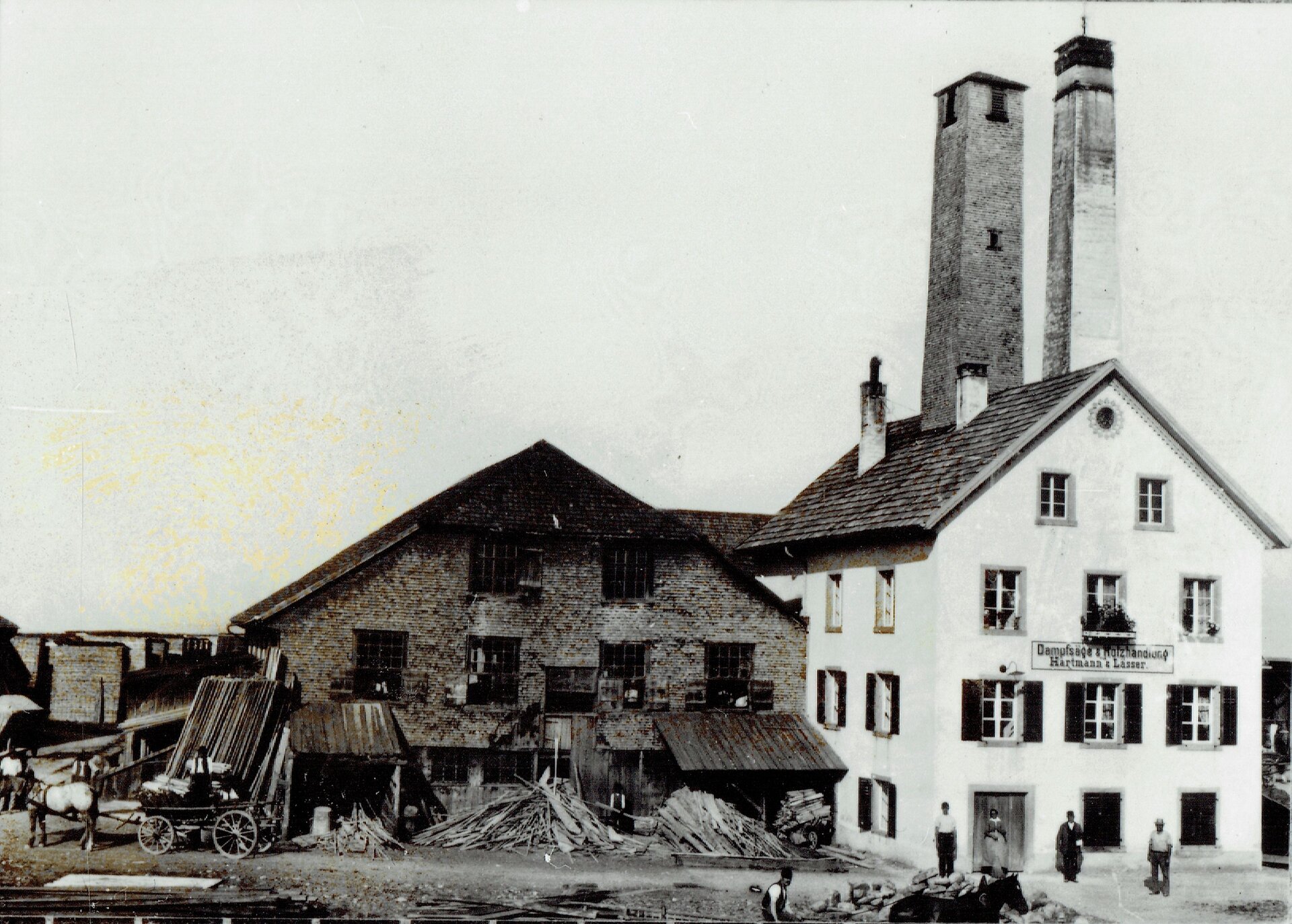
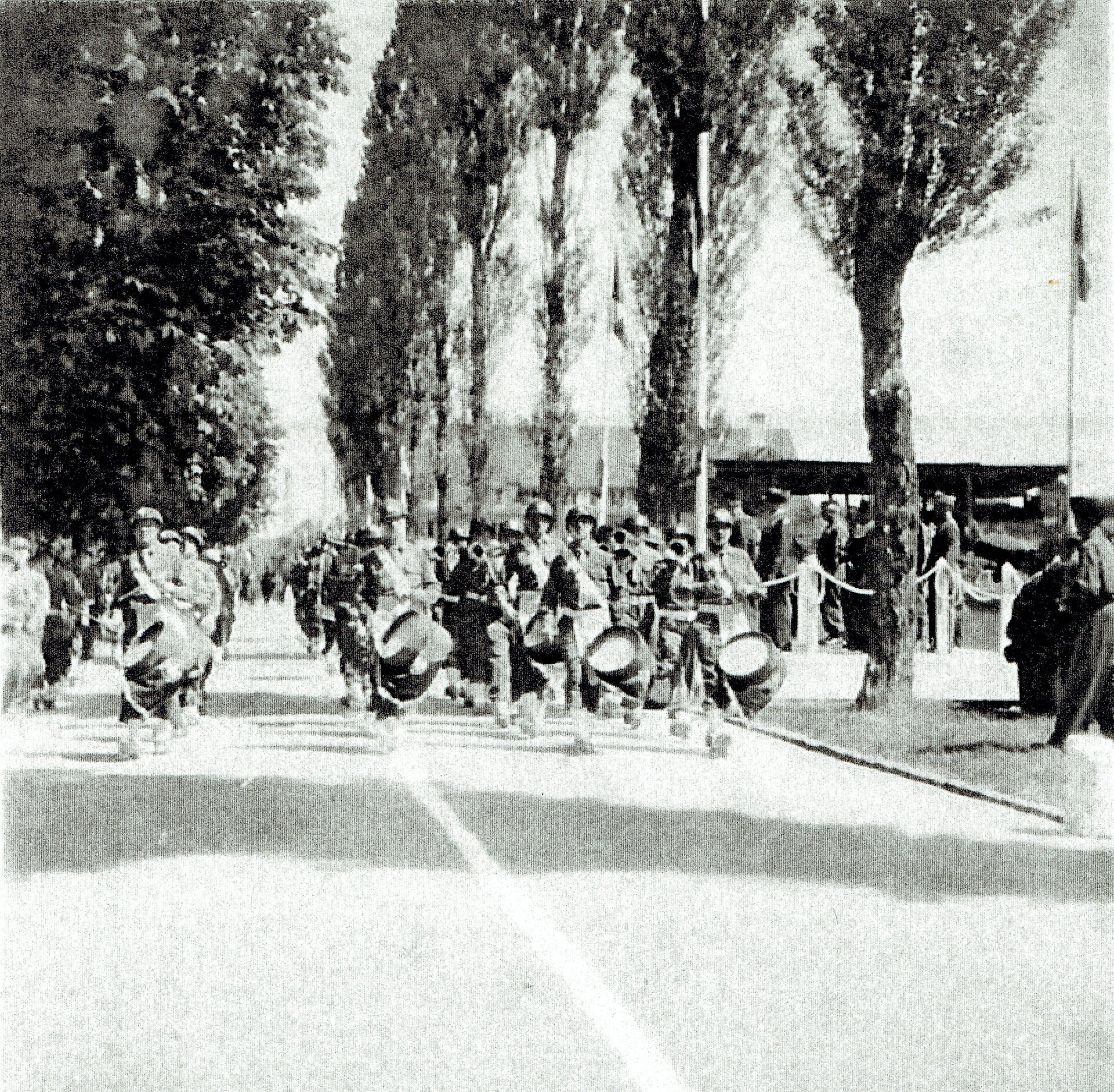
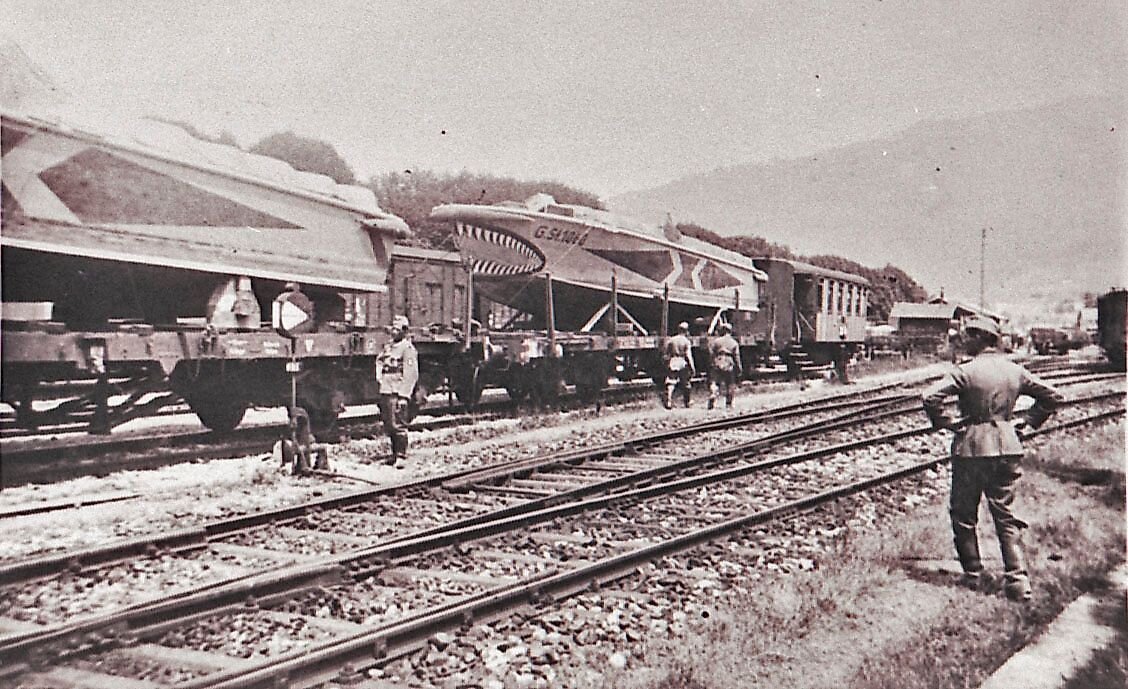
On March 12, 1938, German troops began their invasion of Austria. In the west, in Vorarlberg, this began as early as the early morning hours: At four o’clock, a strike force from the 14th Infantry Regiment occupied the two customs houses in Hörbranz. The following Sunday, March 13, German troops also marched into Hard. Just the day before, Rudolf Gunz, a former NSDAP member of the state parliament, had been appointed acting mayor by the provincial government. As the new regime took power, the changes quickly became apparent. The upheavals had a profound impact on the daily lives of the population. German soldiers were quartered in the town. After the outbreak of war, local businesses were gradually converted to arms production, such as the K. Doppelmayer company, which was required to manufacture shell casings. Schoeller produced, among other things, field-gray and party-brown yarns made of rayon as specified; the Johann Schwärzler company, in a consortium with two other firms, was tasked with building naval cutters and assault boats; and the J. Wolff molding shop was converted to produce ammunition boxes, sheds, and furniture. To support the local armaments factories, a camp for about 100 Russian prisoners of war was set up in the summer of 1942 on Hafenstraße (now number 20). More followed as the war progressed.
Assault Boats—the Landing Engineers of the Former German Wehrmacht
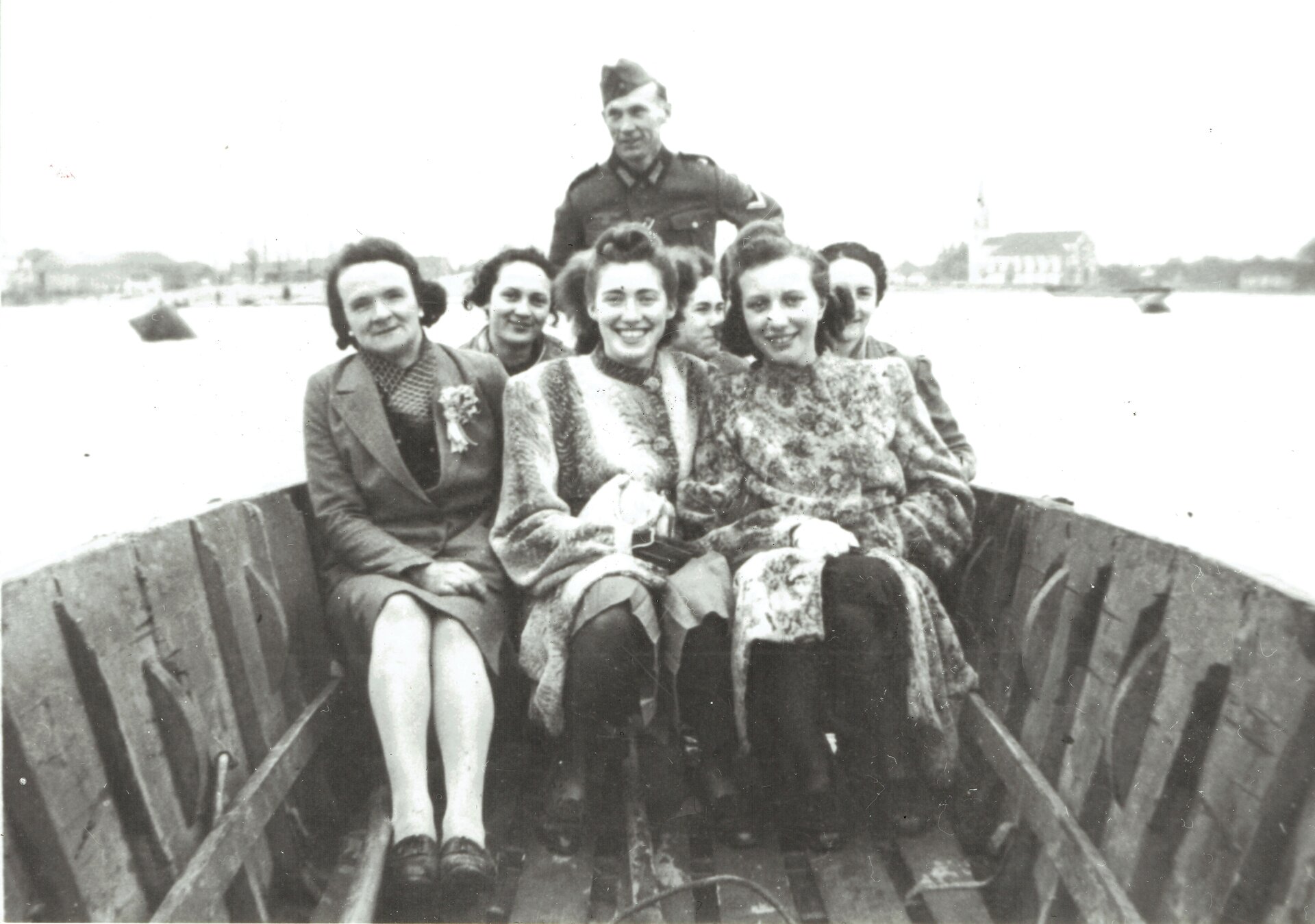
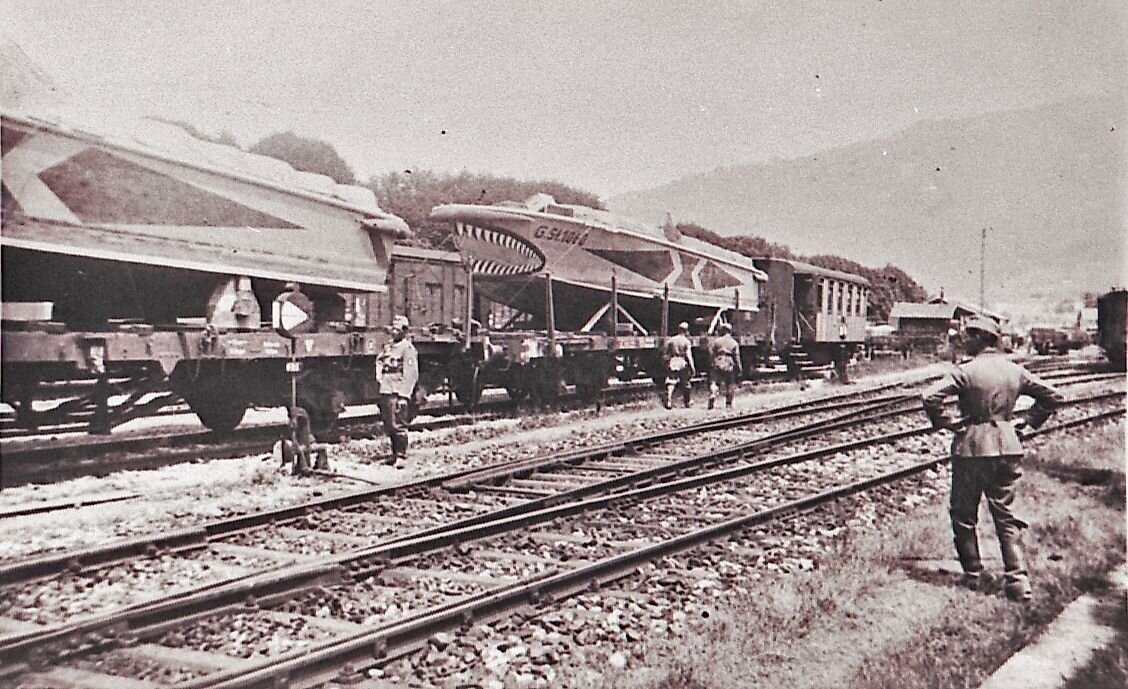
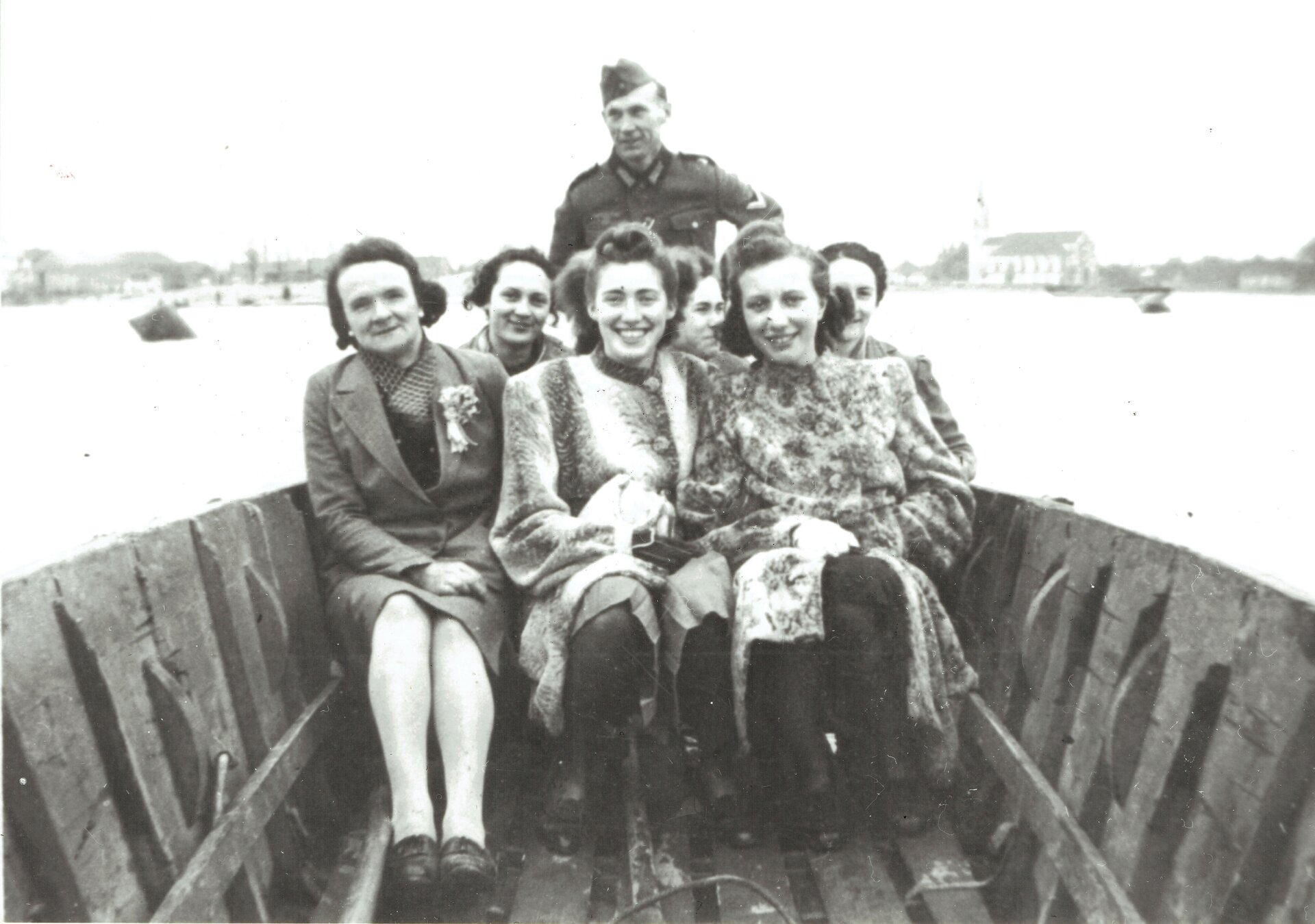
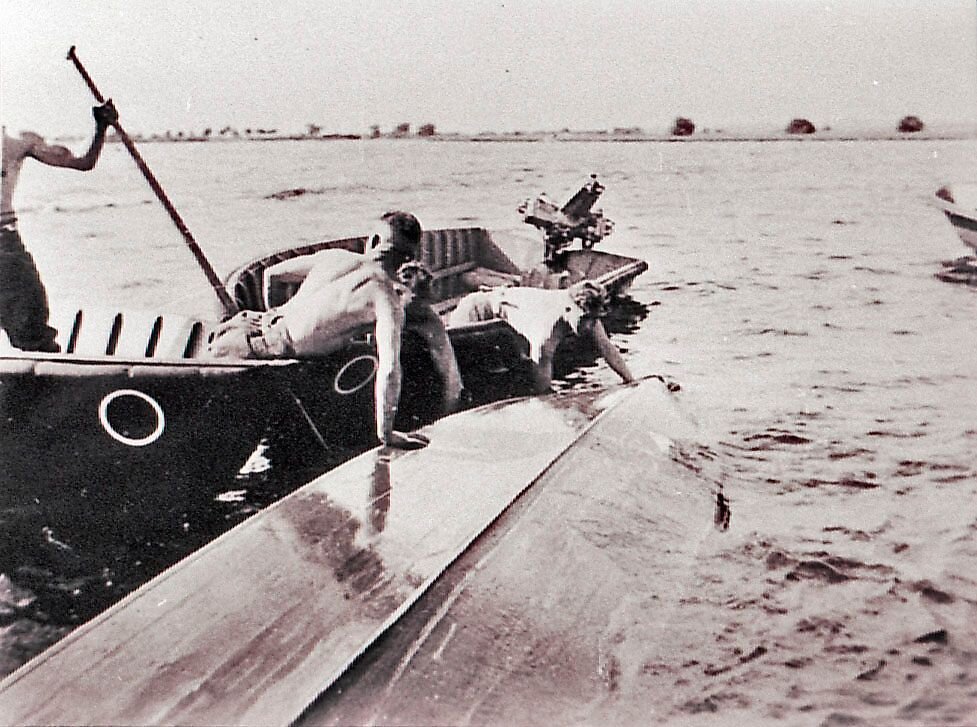
The engineers fought on the front lines and were also stationed in the trenches of northern Russia in 1941. Of the company’s original 230 men, only 70 returned; they were transferred directly to Hard between Christmas and New Year’s. Training for the newly formed assault boat engineer units then began on the shores of Lake Constance. The assault boat was a light, shallow-draft, and maneuverable vessel capable of quickly transporting soldiers across water obstacles. Measuring 6 meters in length and 1.5 meters in width, the boat weighed only 180 kilograms. It was equipped, among other things, with smoke grenades, a signal flare gun, a wrist compass, and a light machine gun. Due to its light weight, the assault boat could be launched into the water by a crew of six. It was capable of transporting two engineer helmsmen and six fully equipped soldiers, or alternatively, a light machine gun with its crew, or a light grenade launcher with a crew of five. The assault boats had a wide range of applications: They enabled the transport of soldiers and weapons across water obstacles, the towing of an engineer landing craft by three assault boats, and their use as smoke-laying vessels to create smoke screens over loading points or ferries crossing the water. “Clearing a path and holding the line—that was the engineers’ task,” recalls a former combatant. Crossing waterways and landing on enemy-occupied shores were central components of their training. Navigation was also of crucial importance, as the target had to be reached with precision. A total of about 700 sappers were trained in Hard. The instructors remained on site for an extended period, and from December 1941 to July 1943, the sappers were stationed in Hard. Five of them married women from Hard and settled permanently in the market town after the war.
The South Tyrolean Settlement
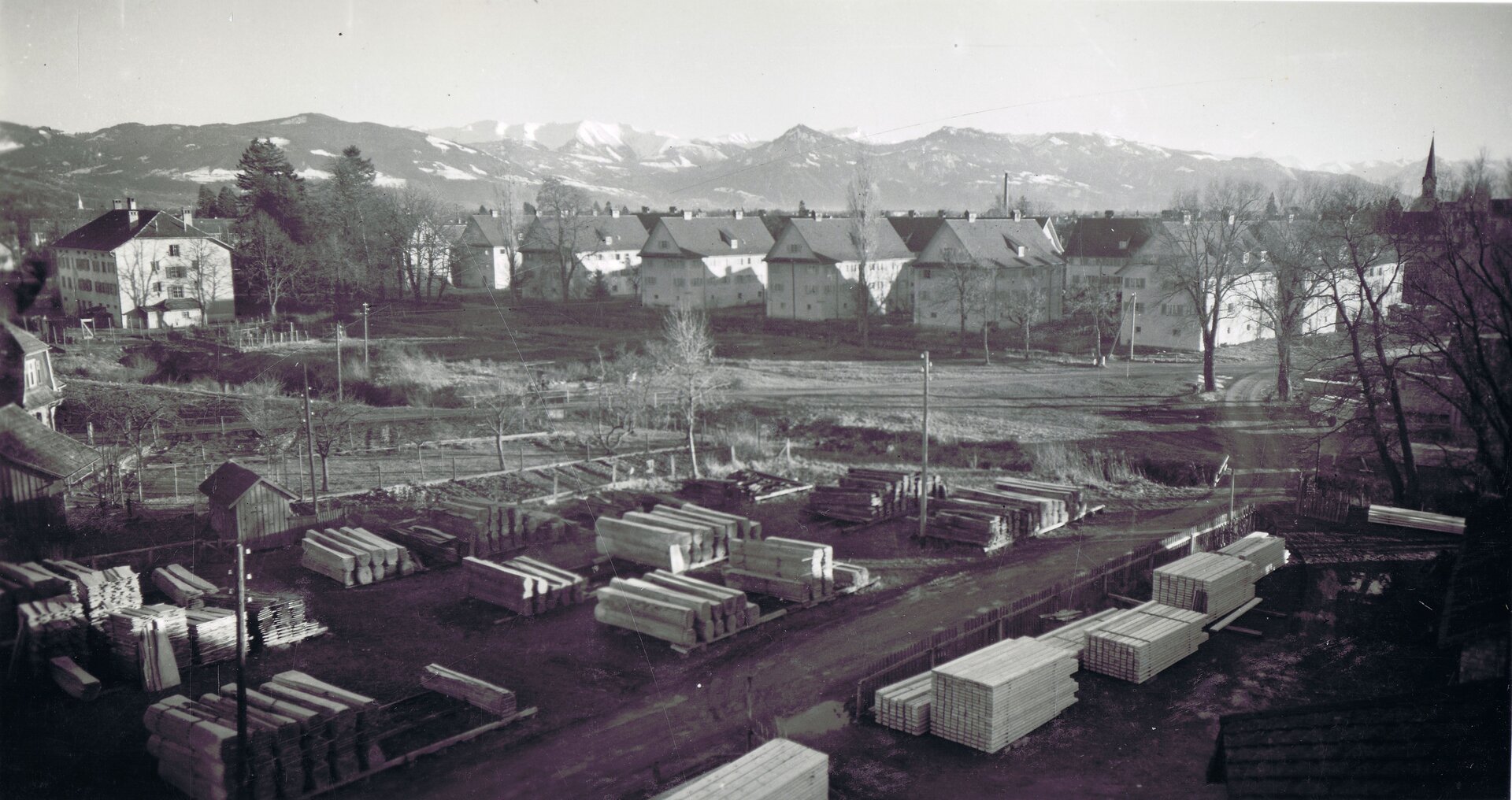
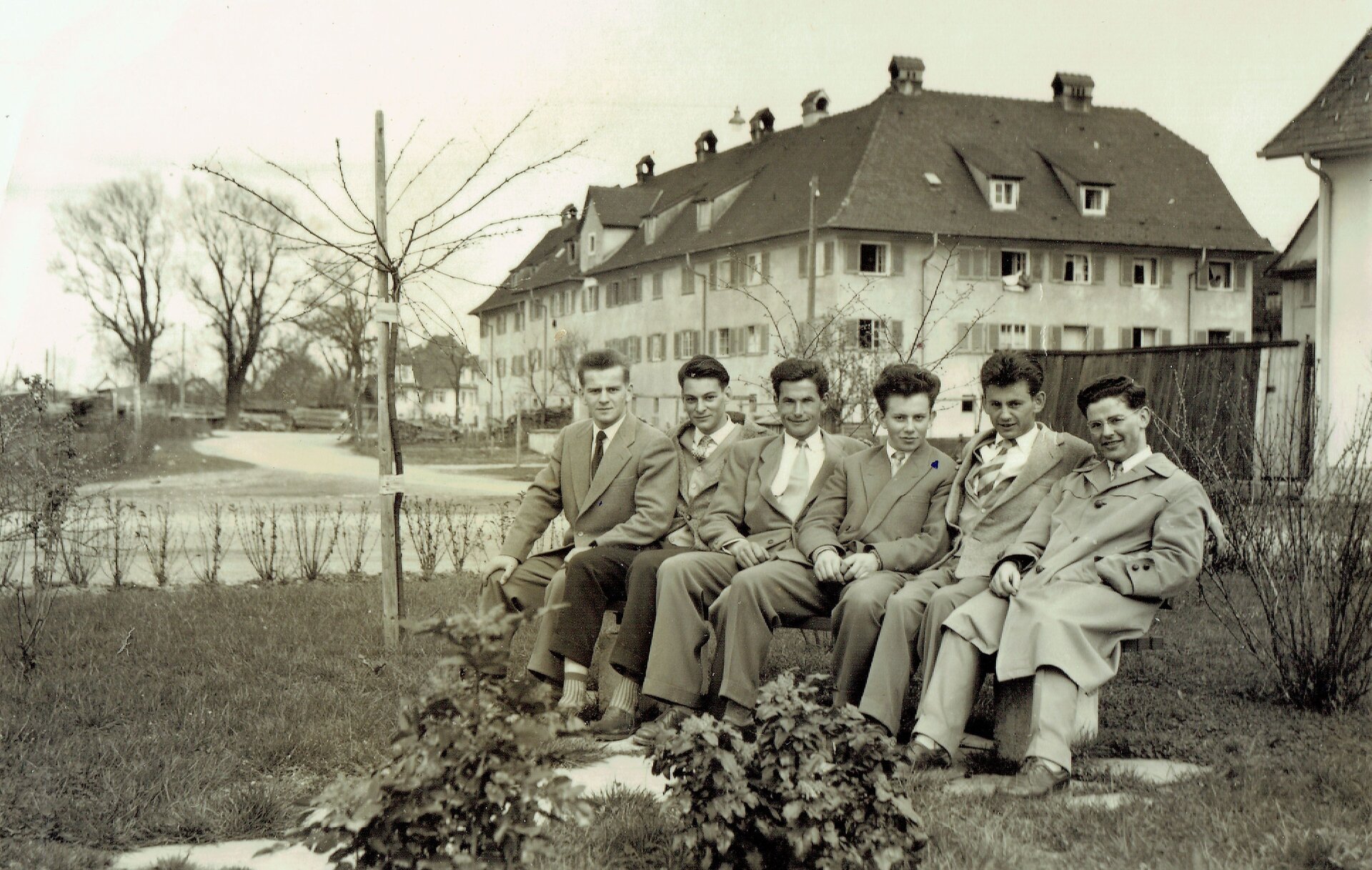
South Tyrolean settlements began to emerge in Vorarlberg starting in late 1939. These hastily constructed apartments were intended to house those who, as a result of the Hitler-Mussolini Agreement, had decided to emigrate from South Tyrol. In a forced referendum in 1939, 86.6 percent of South Tyrolean men eligible to vote chose the so-called “Option,” which presented them with the choice of either renouncing the German language or emigrating to the German Reich. Of the approximately 216,000 “optants,” only about 75,000 actually left the country. Planning for the settlements had already begun in Vorarlberg before the agreement was signed. With the outbreak of war, private housing construction was halted and all resources were redirected toward the settlement projects. The director of the Vorarlberg Housing Association (Vogewosi) brought in both local and German architects and master builders to carry out the projects. In addition, starting in 1940, numerous French prisoners of war and civilian workers were deployed for the construction projects. A total of nine such settlements were built in Vorarlberg. In 1941, construction began in Hard on the South Tyrolean housing development, which was to consist of a total of twelve residential buildings. An eyewitness recalls:
“Back then, our family of four lived on the third floor (attic) of the house at ‘Südtirolerplatz 8’ in Hard. The apartment was 53 m², had a stove in the kitchen, and thus served as heating for all the rooms if you left the doors to the other rooms open. We lived right under the roof with no insulation. In the summer, the heat was almost unbearable, and in the winter, we had two freezing-cold bedrooms that weren’t heated. In the summer, we had to cool the butter under running water; otherwise, it would have melted. In the winter, these rooms were so cold that the walls were covered with ice crystals and the windows were obscured by thick frost patterns, blocking the view outside. We didn’t have a bathroom. So every Saturday, a large water bucket (“Gelte”) was brought into the kitchen, and Mom heated water on the stove. As the youngest, I got to bathe first, then my brother, and finally my parents. But we were content nonetheless—and very happy!”
Location
- Address
- Lake Tour - As Far as It Goes 6971 Hard