


Hexenstein, Legend
Description
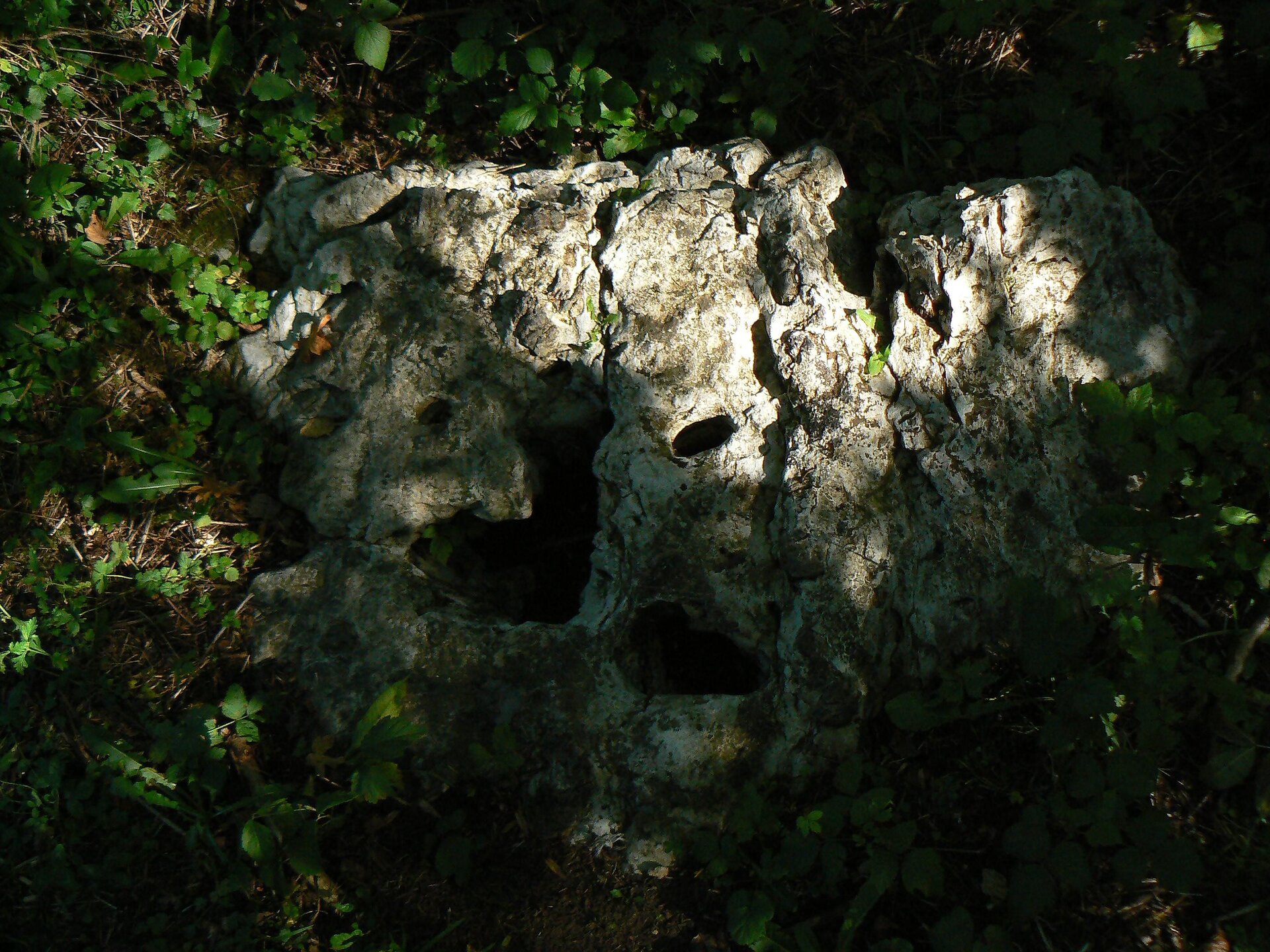
Judging by its appearance, people used to see a witch’s face in it, and there is a legend about it.
The writer Jytte Dünser reinterpreted this legend and wrote the following text about it. As a preliminary remark, it should be noted that during the interrogations of the Appenzell witches, they consistently named two locations as landing sites for their nightly flights: Vaduz and the Nenzingerberg. Next to the Witch’s Stone is a hollow with a very interesting shape, called a “Tuala” in the local dialect, which will play a role in what follows.
Location
- Address
- Hexenstein, Legend 6710 Nenzing, Austria