


Feldkirch Nature Reserves—Pure Nature!
Brief Description
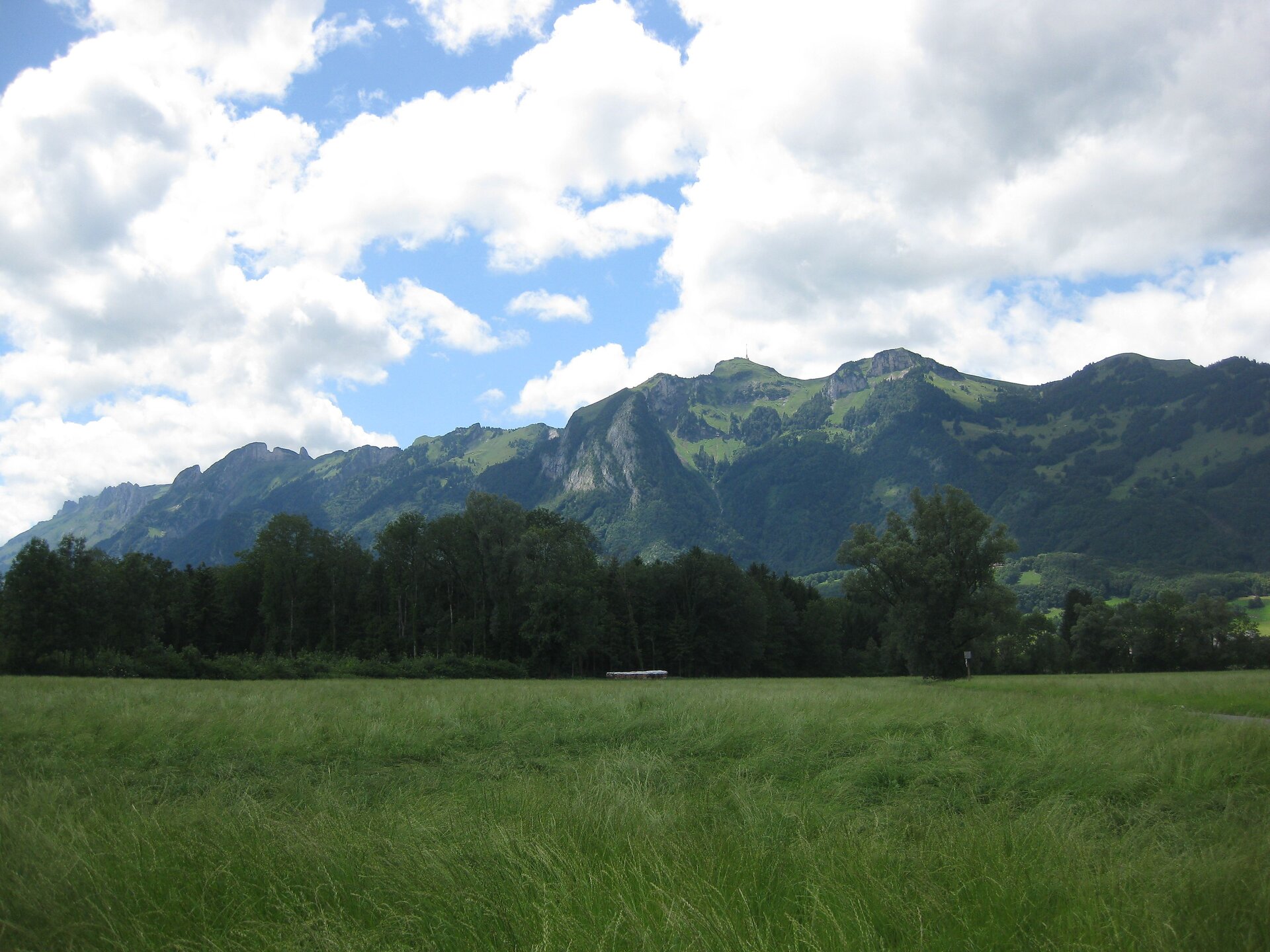
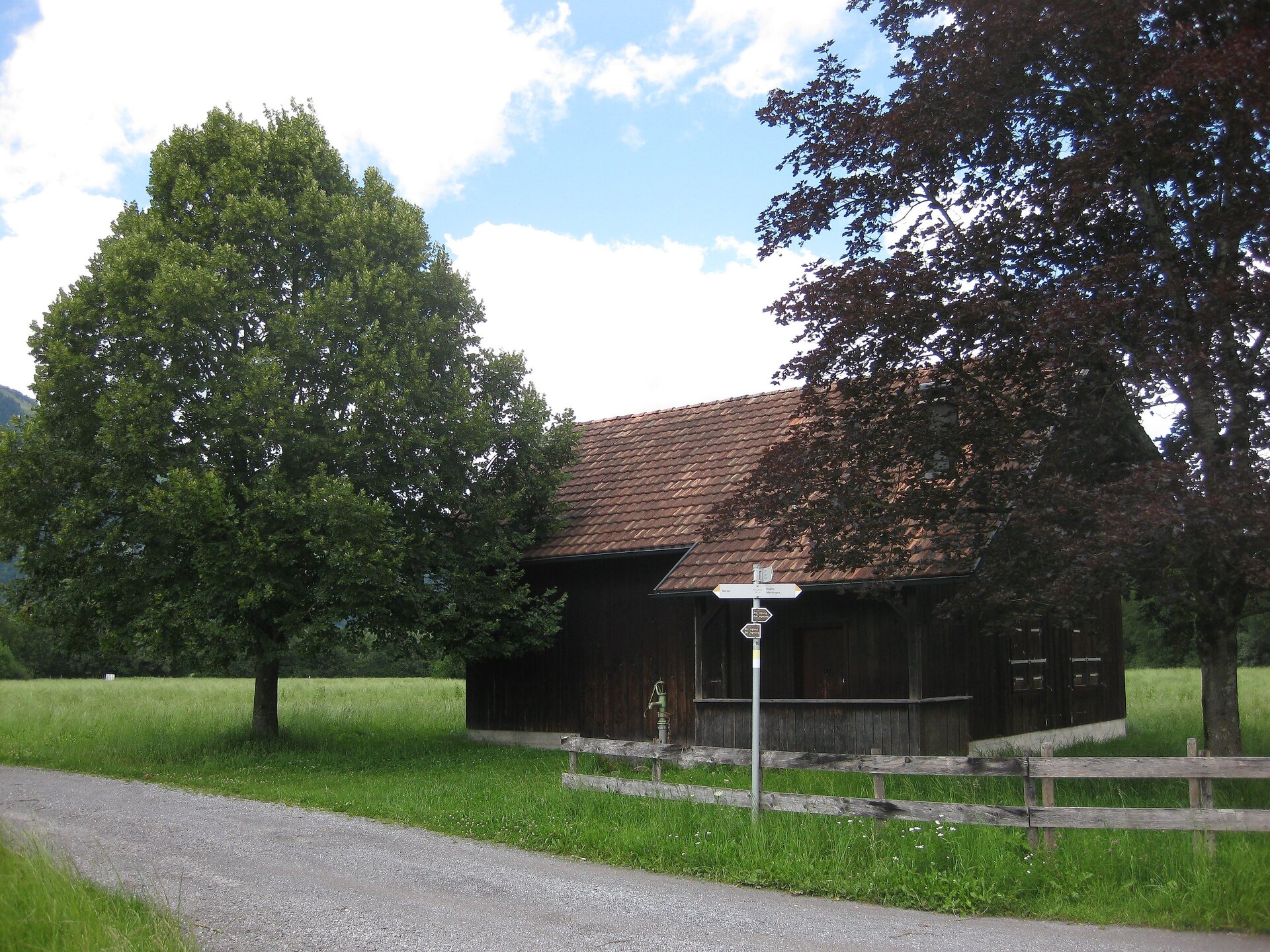
The loop trail leads from the Ill Bridge in Nofels through the Feldkirch nature reserves to Bangs, then on to the Rhine and back to Nofels via Ruggell. Quiet paths, open reed beds, stretches of river, and the Bangs-Matschels European Nature Reserve define the character of the tour.
The loop is especially worthwhile for nature lovers in the spring, when the Siberian iris blooms in the Bangs-Matschels area. Places to stop for refreshments in Bangs and Nofels also make the tour an attractive option for a relaxing half-day outing.
Tour Description
The tour starts at the Ill Bridge in Nofels. From there, the route leads along Matschelserstraße and out into the open countryside. After just a short while, things quiet down: meadows, fields, and small paths characterize the first section of the route toward Bangs.
At “Schatzmanns Ställe,” the route continues toward Bangs and enters the Bangs-Matschels European Nature Reserve. The area is one of the Rhine Valley’s most distinctive natural habitats. During the spring blooming season, the stands of Siberian irises attract many visitors.
The route continues along Rheinstraße to the Bangs customs office. Before the Rhine Bridge, the route branches off to the left onto the bike path along the Rhine. This section is pleasant to ride and offers sweeping views of the river valley and the surrounding countryside.
In Ruggell, the tour leaves the Rhine embankment before the Rhine Bridge. Following quiet paths and the bike path signs, the route leads back toward Bangs and Nofels. At the Gasthof Rössle, the route branches off to the left and then follows the signs back toward Bangs.
On the way back, the tour passes the Bangs church and the Freschner-Riegel-Weg. At the Nofels soccer field, continue left until the loop ends back at the Ill Bridge in Nofels.
Getting There
The starting and ending point of the loop trail is the Ill Bridge in Nofels, Feldkirch.
By public transportation:
It’s easy to get there via the Feldkirch train station. From there, city buses run toward Nofels and Bangs, for example to the Nofels Kirche stop.
You can plan current connections via vmobil.at.
By car:
Drive through Feldkirch and continue toward Nofels. If traveling via the A14, a valid vignette is required.
Parking:
Parking is available in the Nofels area, subject to availability. Please use only designated parking spaces and follow the local regulations.
Equipment
For this bike tour, we recommend a road-ready bicycle, a bike helmet, comfortable cycling attire, and clothing appropriate for the weather. Sun protection and rain gear are advisable, as several sections are exposed.
You should bring plenty of drinking water, a charged cell phone, and a small repair kit with a spare inner tube, a pump, and bike tools. Sturdy tires are recommended for certain natural and gravel sections.
Safety Instructions
The tour runs partly on public roads, bike paths, and trails in sensitive natural areas. Extra caution is required at intersections, when crossing roads, and near border crossings.
After rain, paths along the Rhine, the inland canal, or near the Ried may be wet and slippery. During summer heat, open sections offer little shade.
In the nature reserve, please stay on the marked trails, do not step on or pick plants, and be considerate of animals. Dogs should be kept on a leash.
EMERGENCY NUMBER:
112 European emergency number (works with any cell phone/network)
140 Alpine emergencies throughout Austria
144 Alpine emergencies in Vorarlberg
Additional Information
Places to Stop and Rest:
In Bangs, the Gasthaus Stern, with its outdoor dining area, is a great place to stop. There’s a small playground for children there. Other places to stop are located in Nofels, such as the Hotel Gasthof Löwen or the Nofler Stuba.
Nature Experience:
The Bangs-Matschels European Nature Reserve is the scenic highlight of the tour. The loop is especially charming in the spring when the Siberian iris is in bloom.
Family-Friendliness:
The tour is short, offers varied scenery, and is technically easy. However, some road sections and crossings still require caution, especially when traveling with children.
Accessibility:
The tour is not accessible.
Best time of year:
March through October. After heavy rainfall or during high water, sections along the Rhine and the inland canal may have limited accessibility.
Requirements
- Condition 1 detail.requirements.value
- Experience 4 detail.requirements.value
- Landscape 4 detail.requirements.value
- Technique 1 detail.requirements.value
- Difficulty 1 detail.requirements.value
Details
- Spring
- Summer
- Fall
- Winter
Location
Publisher / Copyright: Bodensee-Vorarlberg Tourismus GmbH – (c) Bodensee-Vorarlberg Tourismus GmbH / Stadtmarketing und Tourismus Feldkirch GmbH