


AT · Hard
Dorfbach - Eyth Mill
Description
Use of Hydropower
Brief Description
Use of Hydropower
Description
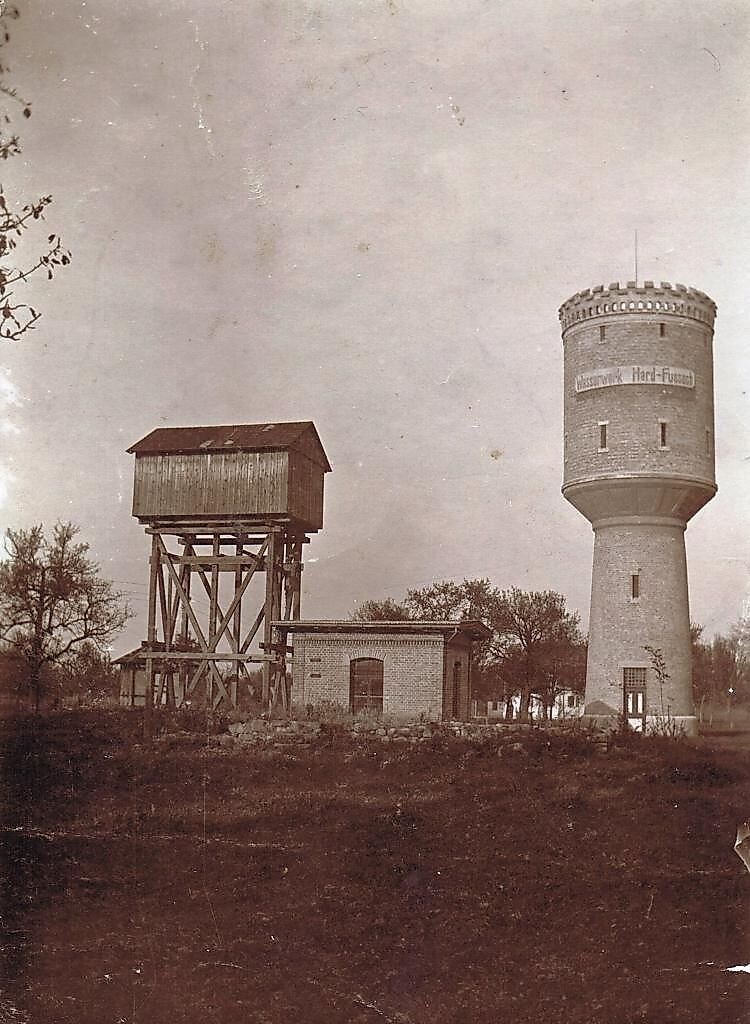
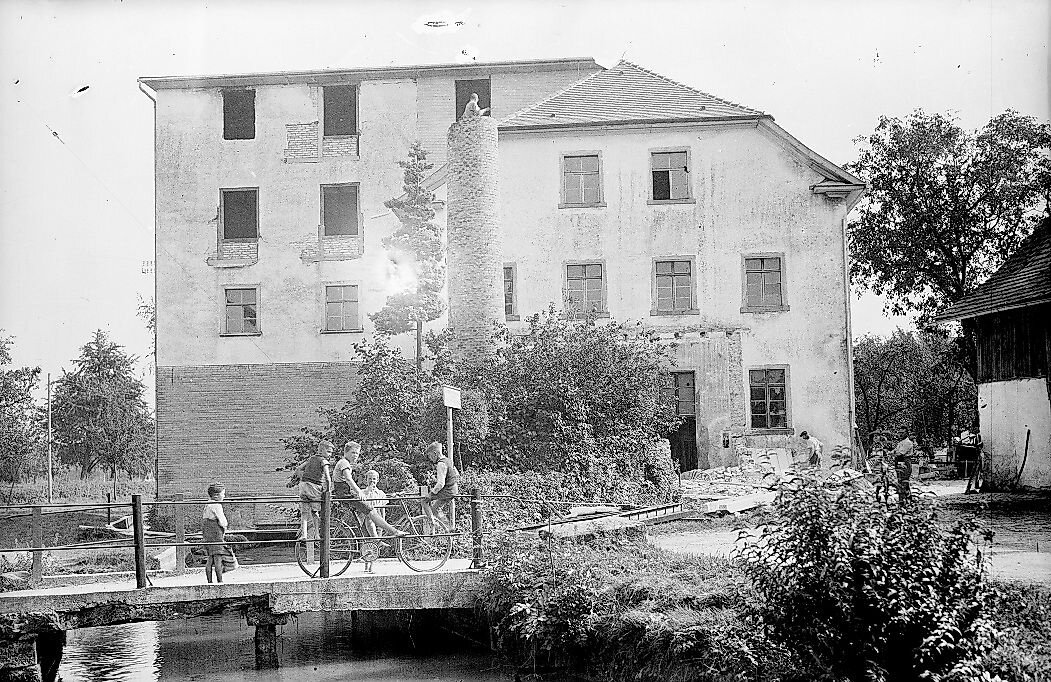
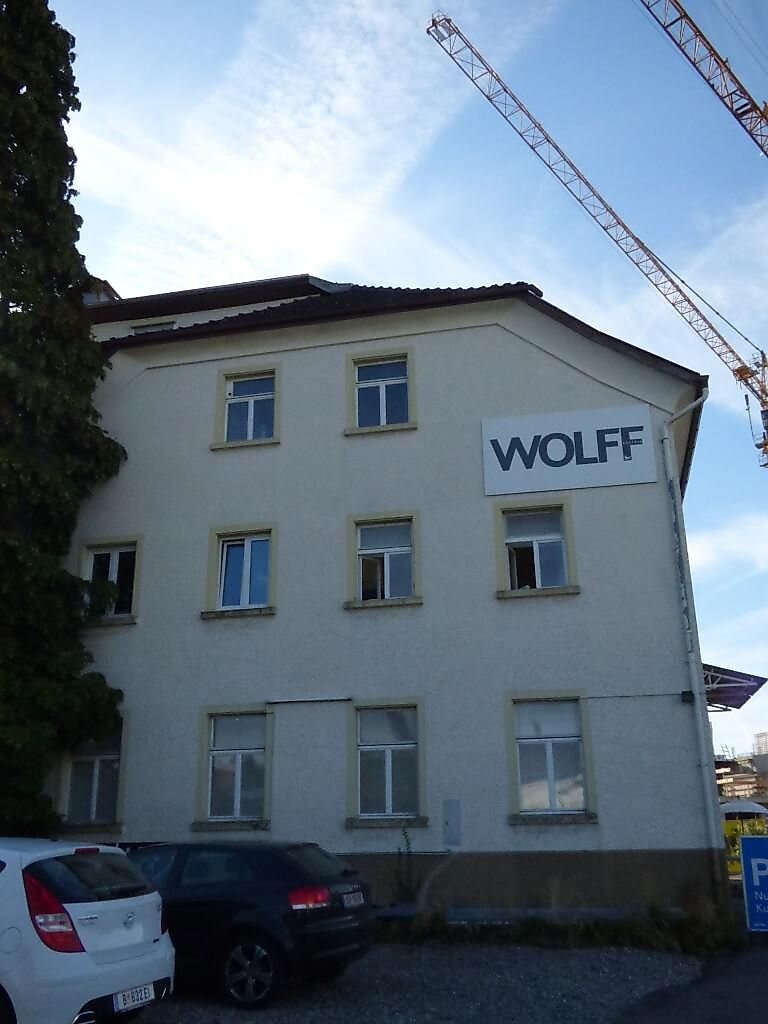
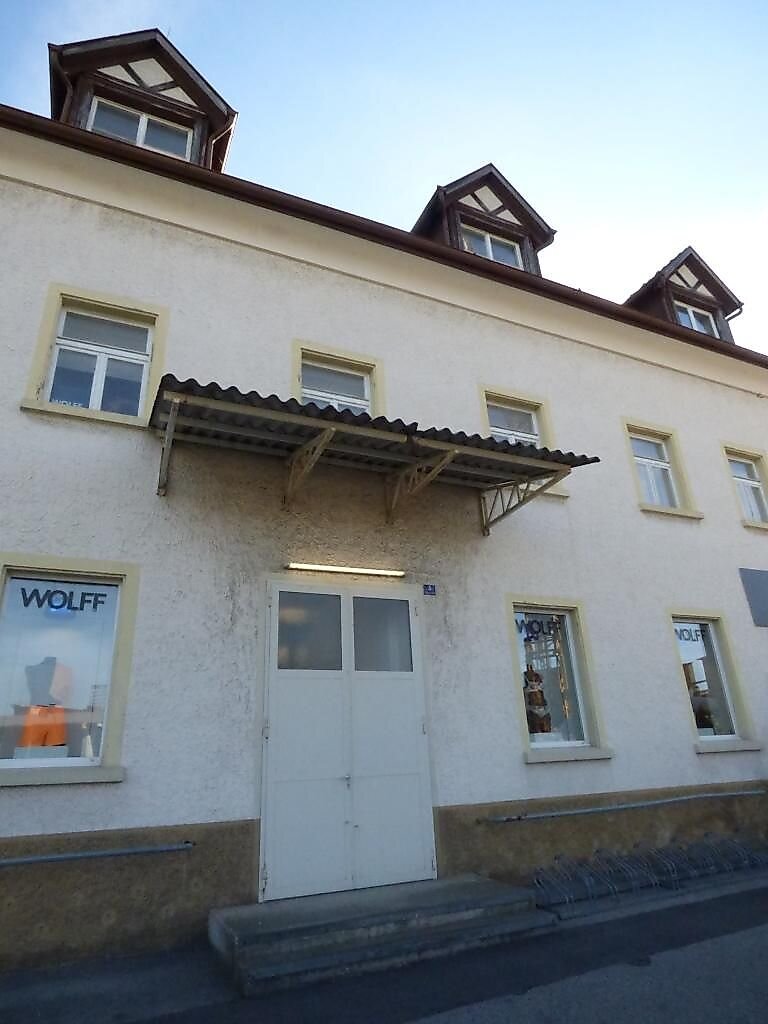
The first settlement was established around the year 700, starting from Lauterach, along the upper Dorfbach near the water tower. It developed as a result of clearing the fields. In the centuries that followed, land was further cleared along the Dorfbach toward the lake, and new houses were built. In 1327, the use of the stream’s water power to operate a sawmill was documented. The wood for this was brought in from the Bregenzerach. In 1560–70, the small moated castle Mittelweiherburg was built in the headwaters area. In 1794, the first textile printing shop began operating in Mittelweiherburg. In 1838, the Swiss manufacturer Melchior Jenny took over the factory on behalf of the company Jenny & Schindler. After 1867, Samuel Schindler continued to operate the textile printing plant until the “Hell” versus “Trüb” dispute over the Dorfbach in 188. The villagers living along the lower reaches of the stream needed the water for household use and to water their livestock, and as early as 1850 they complained about dye residues in the water. These residues entered the stream because the dyed fabrics were rinsed there. The increase in production at Mittelweiherburg had exacerbated this conflict and ultimately led to the closure of that site. In the 19th and 20th centuries, the Eyth family from Bregenz operated a grain mill here. In 1906, a water tower was built on the Dorfbach to supply water to the communities of Hard and Fussach, as the canal cutting through the Rhine had caused the Fussach springs to dry up. In 1948–49, the Wolff company began its first stocking production on this site.
Location
- Address
-
Dorfbach - Eyth Mill
Heimgartstraße
6971 Hard, Austria