


Degelstein Castle Ruins
Brief Description
Detailed Description
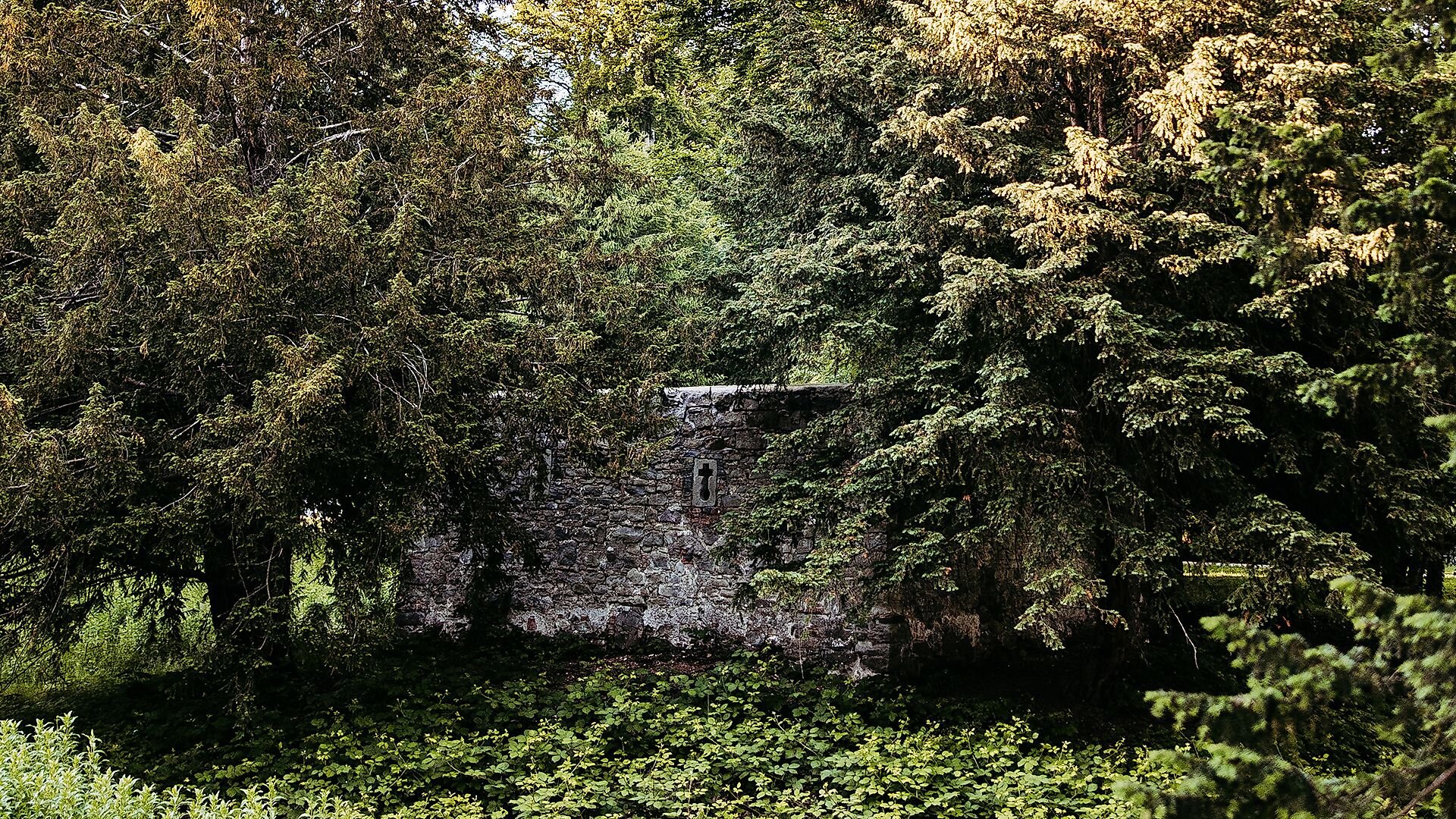
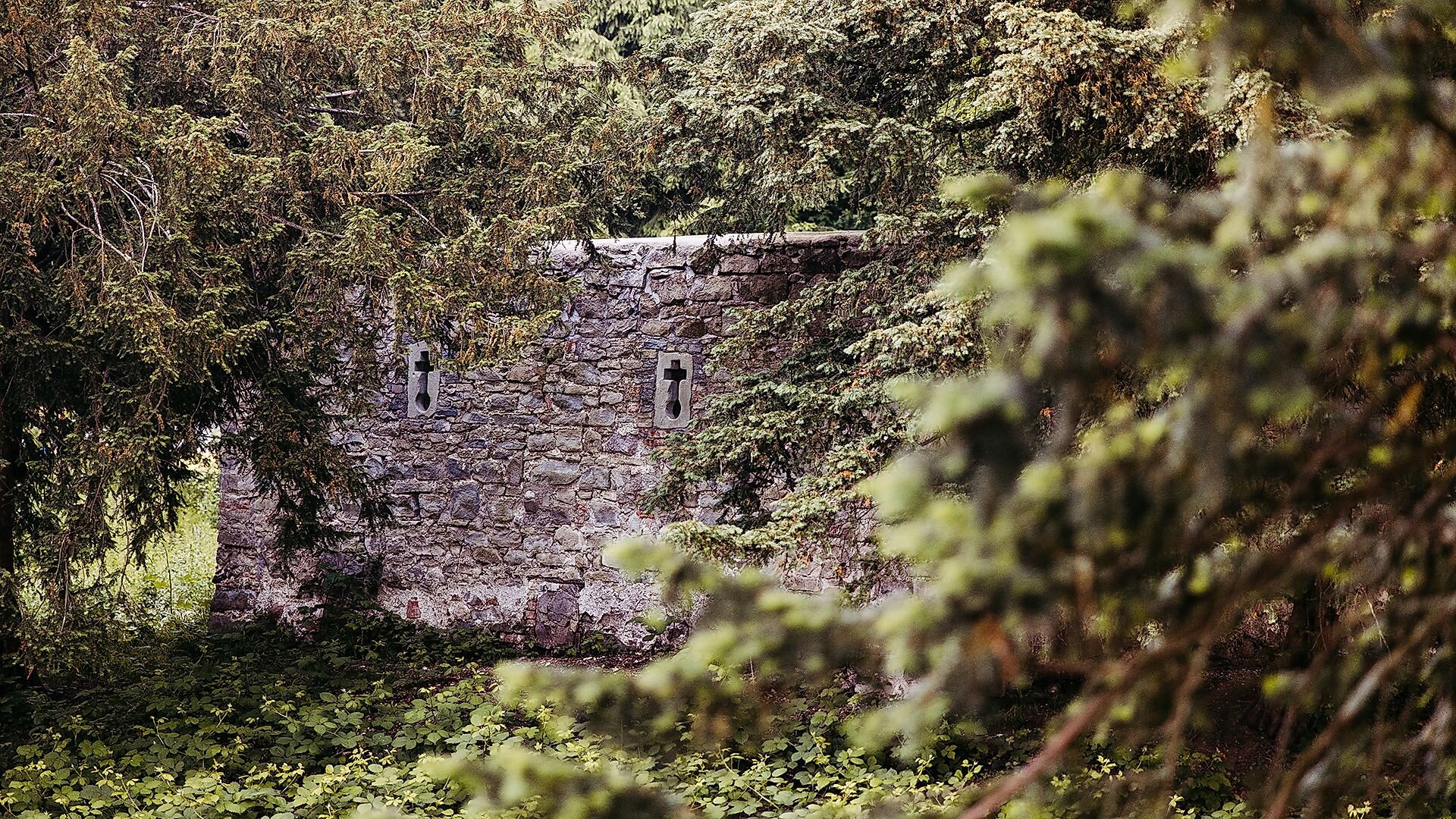
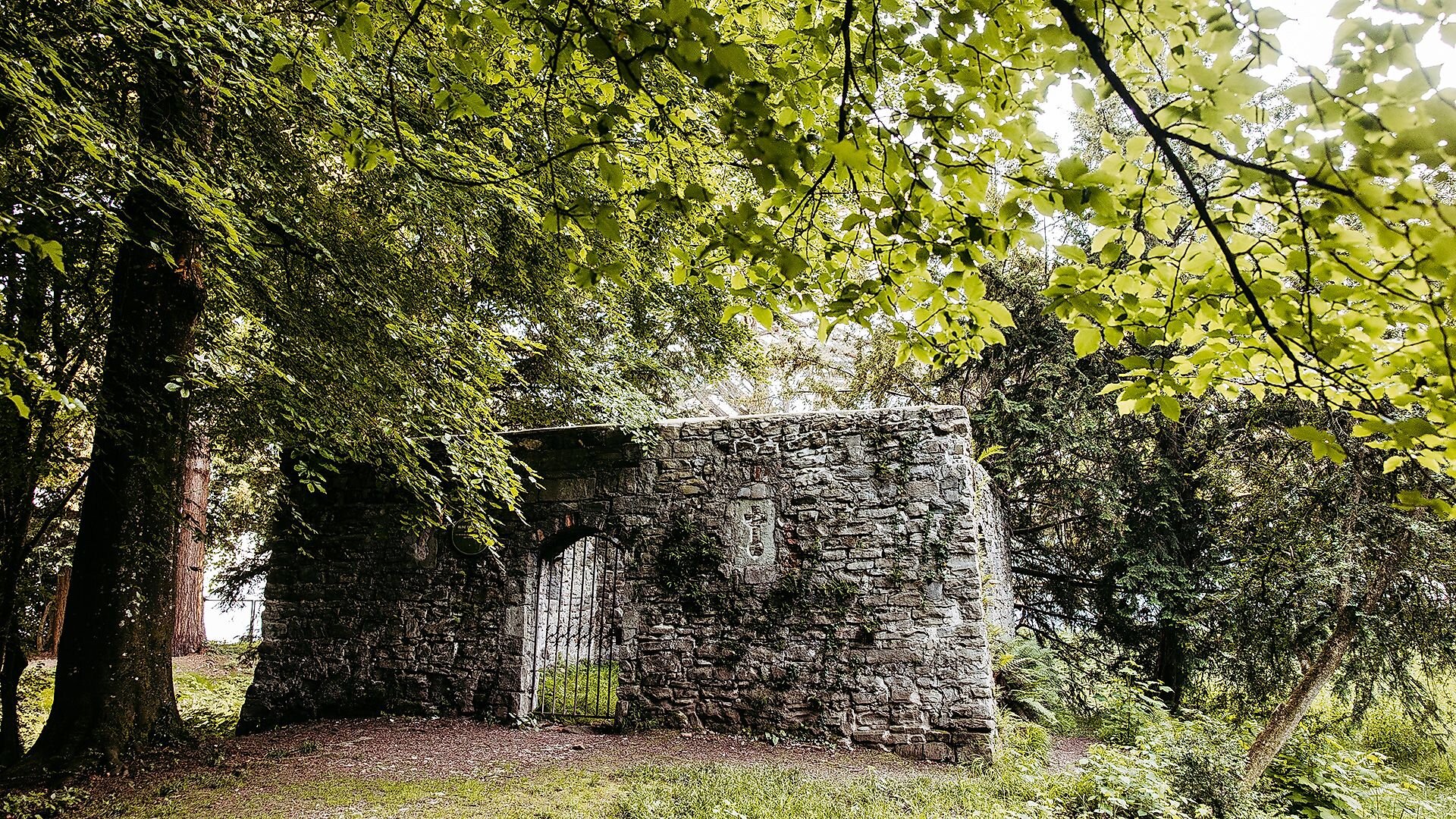
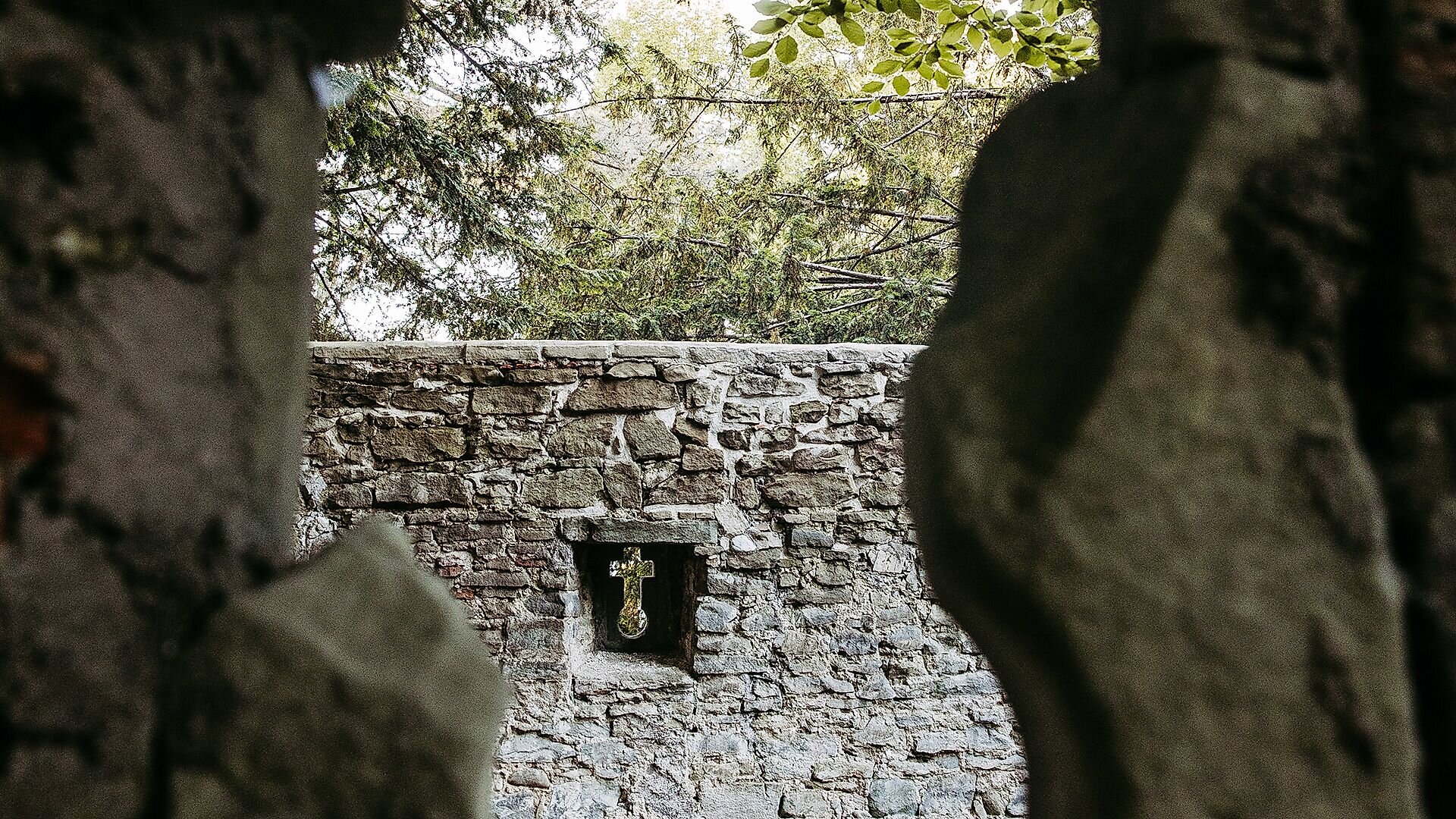
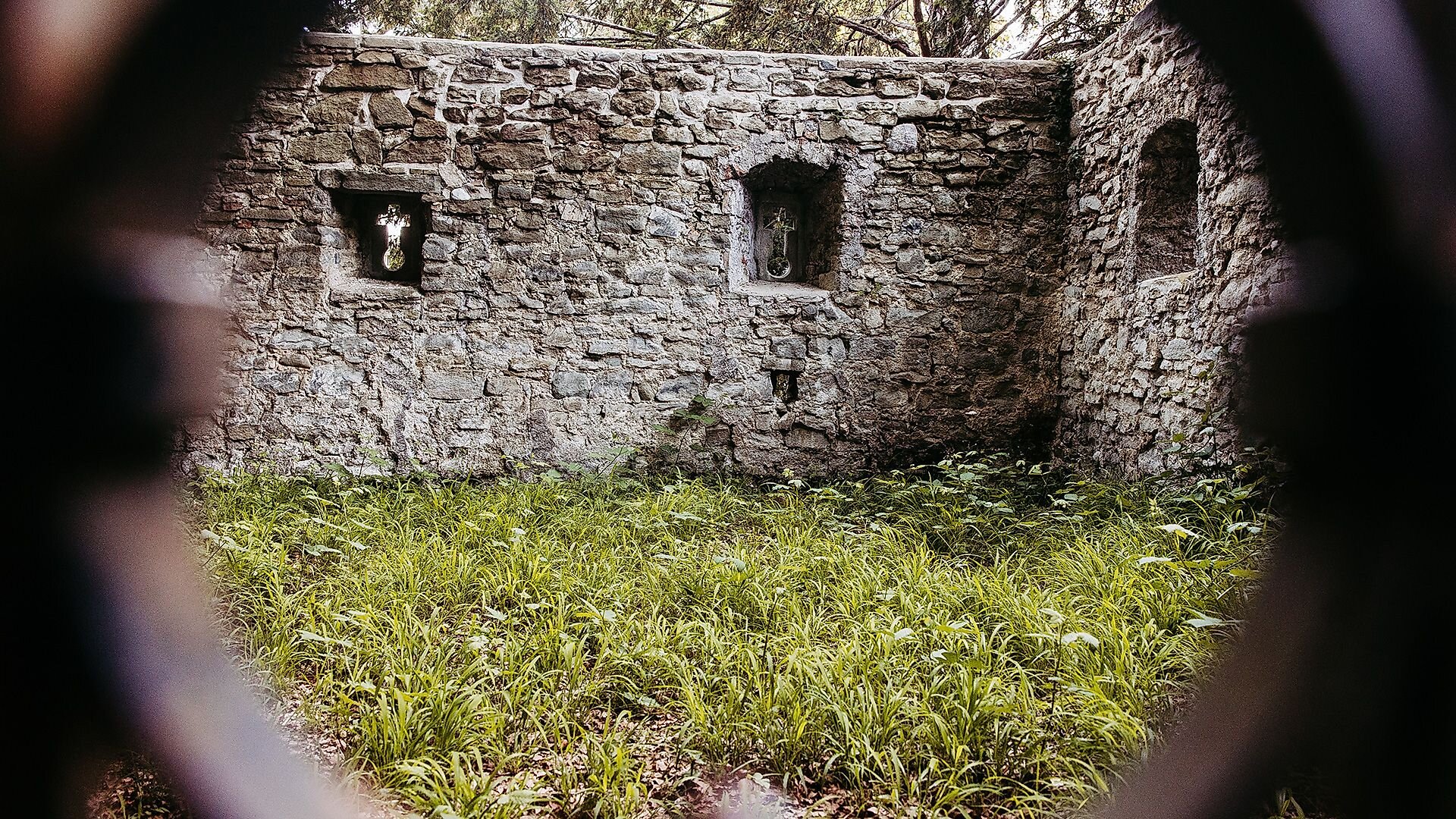
Admittedly, from today’s perspective, it takes a bit of imagination to picture what the Degelestein castle ruins once looked like. After many hundreds of years, only a small portion of the masonry remains, roughly where the entrance used to be. But without expert knowledge of the city’s history, it’s hard to figure out why these wall remnants are still known today as the “Weiherschlösschen” in Lindau.
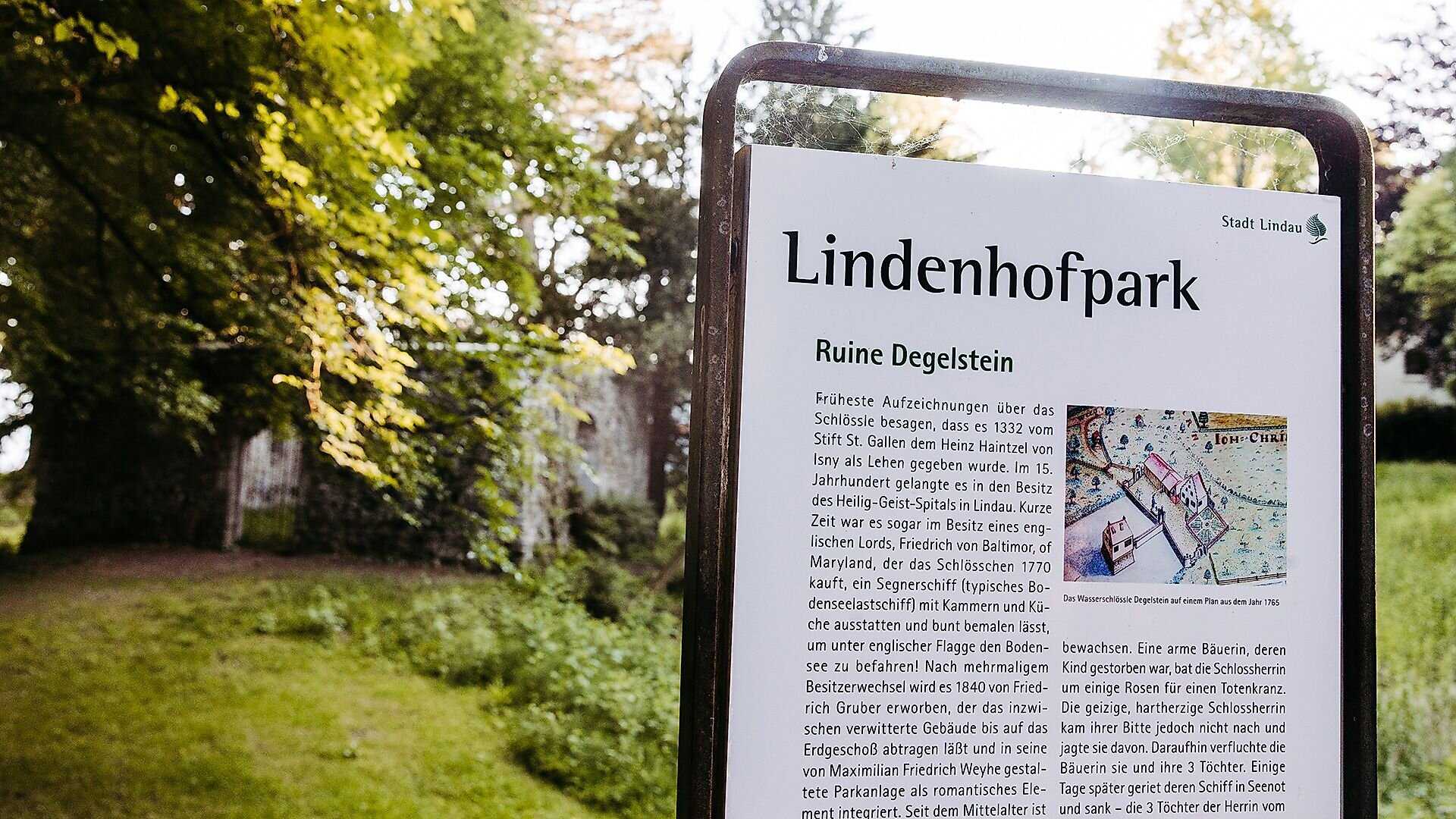
Degelestein Castle was first mentioned in writing around 1332. The complex, which stands barely 100 meters from the shore, wasn’t really all that large. Still, it did consist of a two-story building, complete with an outer bailey and a small round tower. This likely led the citizens of Lindau at the time to think of it as a “little castle.”
But what about the pond? There was also a small moat, which was filled in in 1839 when the complex was unfortunately demolished. Until then, however, water surrounded the castle. Presumably, the moat became increasingly overgrown, making it look like a natural pond. Thus, alongside the remains of the walls, the name “Weiherschlösschen” has remained to this day—a name that doesn’t seem entirely out of place for such an enchanted spot, which is the oldest structure in the adjacent Lindenhof Park.
As old as the walls are—which still rise more than three meters high—so eventful is the history of the owners of Degelstein Castle. The city of Lindau also once owned the castle, starting in 1621. At that time, a sworn guard was stationed there to protect the city. From 1839 onward, the Gruber family is listed as the owners; they viewed the property as a contribution to Lindenhof Park, which was just being developed at that time. Changes were made to the structure on more than one occasion. Since 1956, the “Weiherschlösschen” has once again been owned by the city.
The Case of Degelstein: What Exactly Is a Lowland Castle?
Anyone who, when thinking of a castle, pictures impressive stonework towering high above the surrounding countryside is usually correct. Castles were typically built on natural hills. Nevertheless, about one-third of all castle complexes in Germany are so-called lowland castles, located on flat land or in a valley floor. Since such locations lacked the significant defensive advantage of elevation, these castles were built in places that were easy to defend for other reasons. A variation of the lowland castle is the moated castle—which Degelstein Castle was: surrounded by moats or protected entirely or partially by natural bodies of water.
Location
- Address
-
Degelstein Castle Ruins
Lindenhofweg
88131 Lindau