


Commemorative plaque at the Lake Chapel, Bregenz
Description
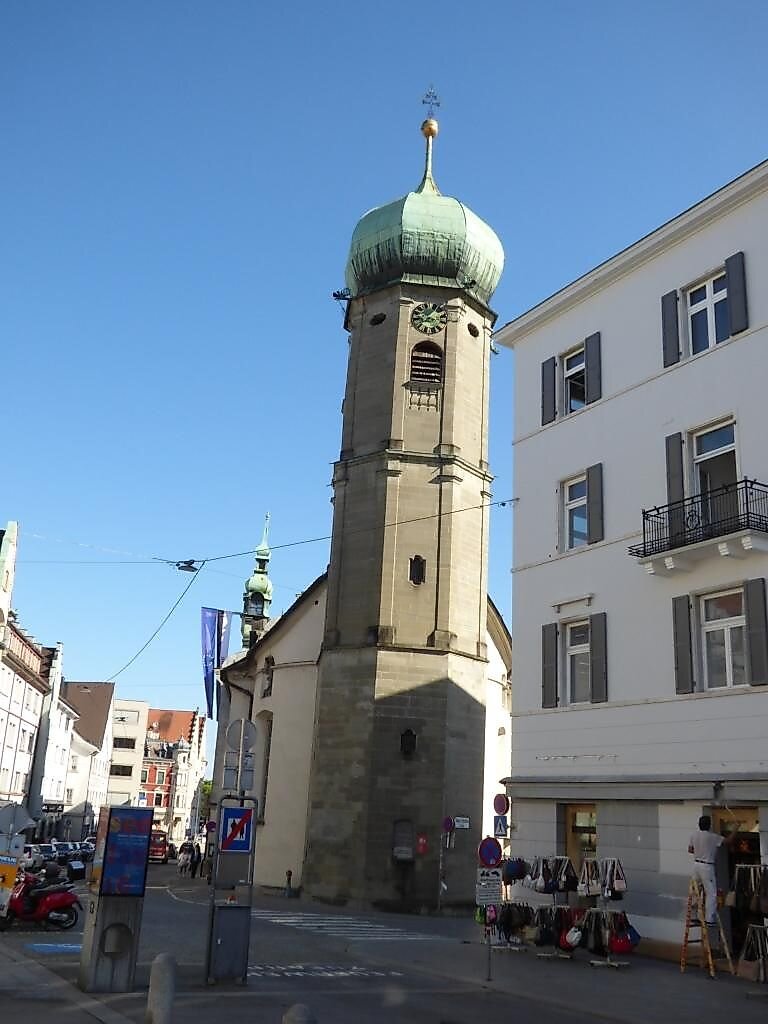
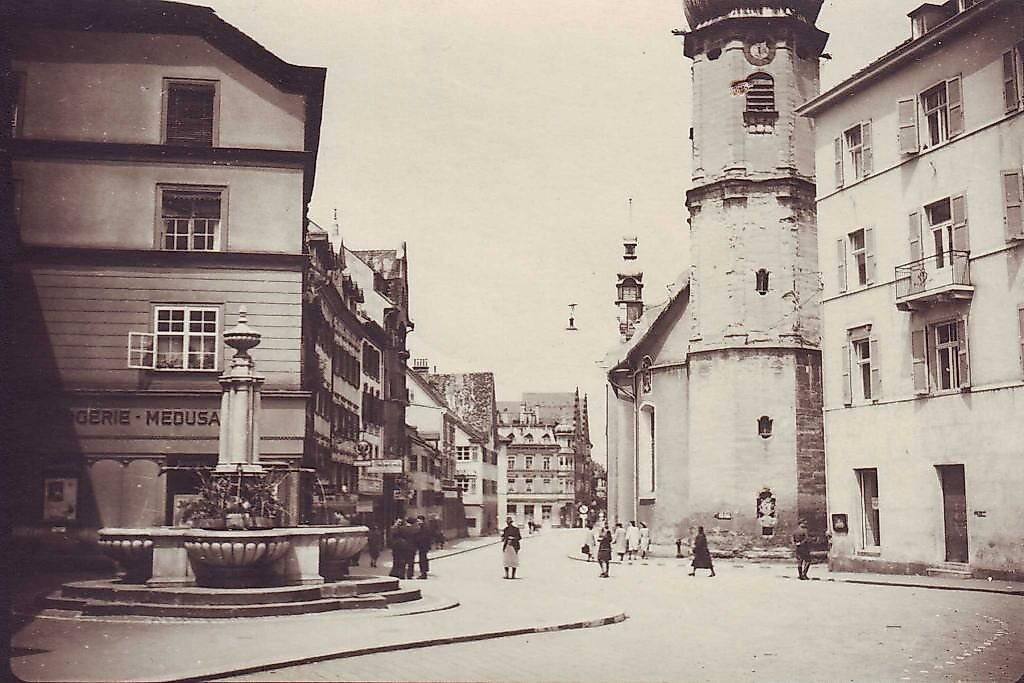
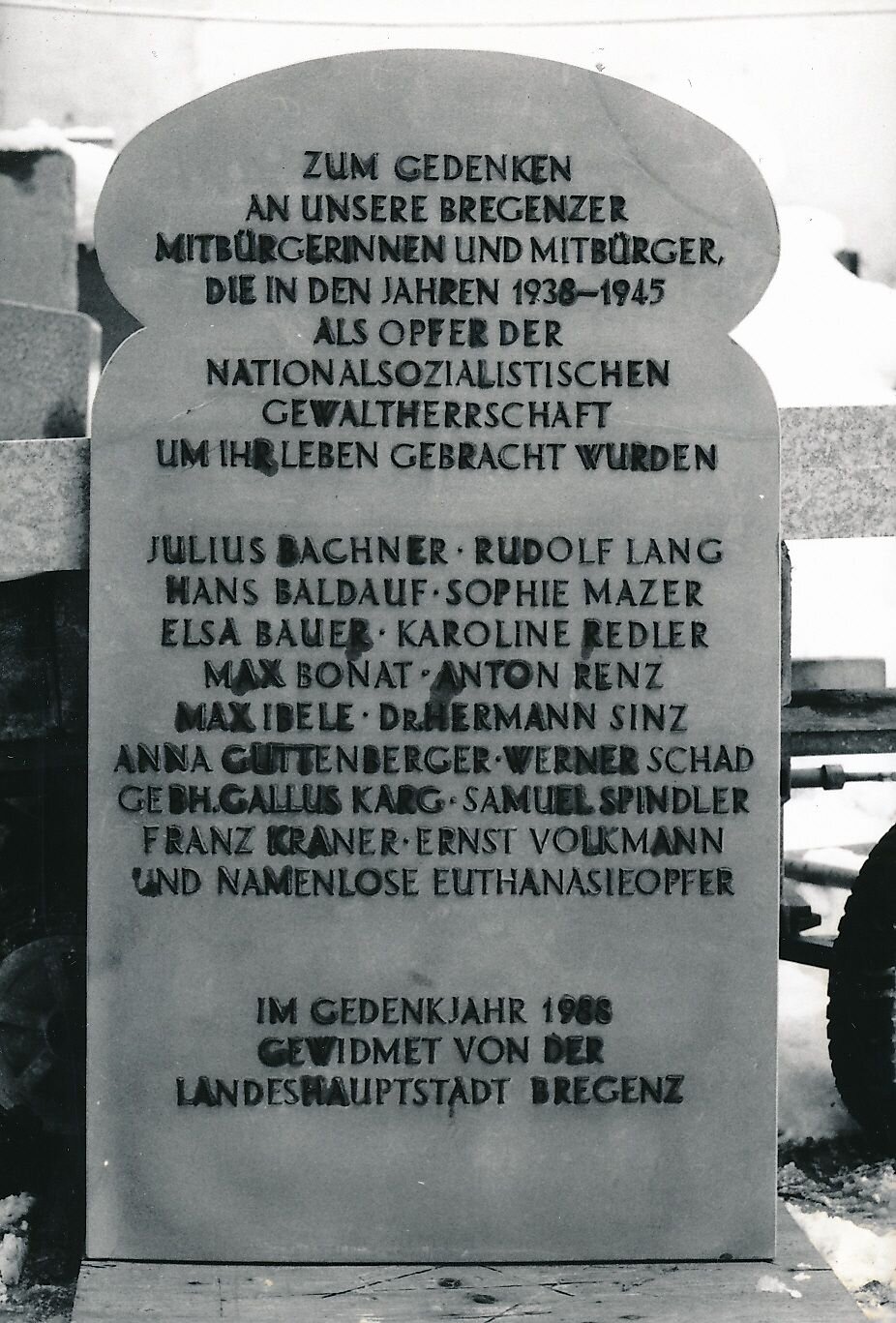
A commemorative plaque was affixed to the exterior wall of the Lake Chapel on March 11, 1988, to mark the 50th anniversary of Austria's annexation by Nazi Germany.
Brief Description
A commemorative plaque was affixed to the exterior wall of the Lake Chapel on March 11, 1988, to mark the 50th anniversary of Austria's annexation by Nazi Germany.
Description
The plaque lists the names of 16 citizens of Bregenz who fell victim to the Nazi regime of terror. The memorial plaque also commemorates the victims of the so-called “euthanasia” program. Under the Nazi regime, this term was used to describe the murder of physically and mentally disabled people under the pretext of so-called “racial hygiene.” Scholarly examination of this topic began very late and is still ongoing.
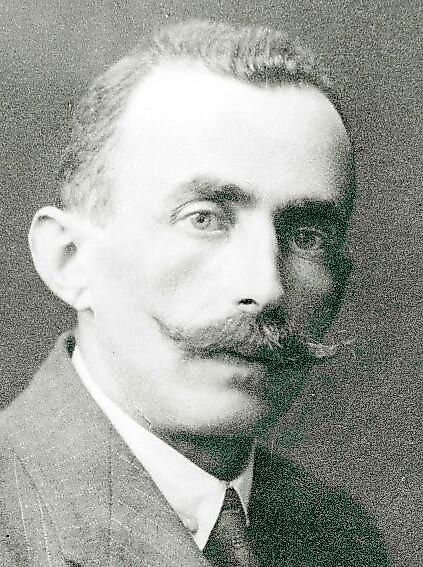
Samuel Spindler
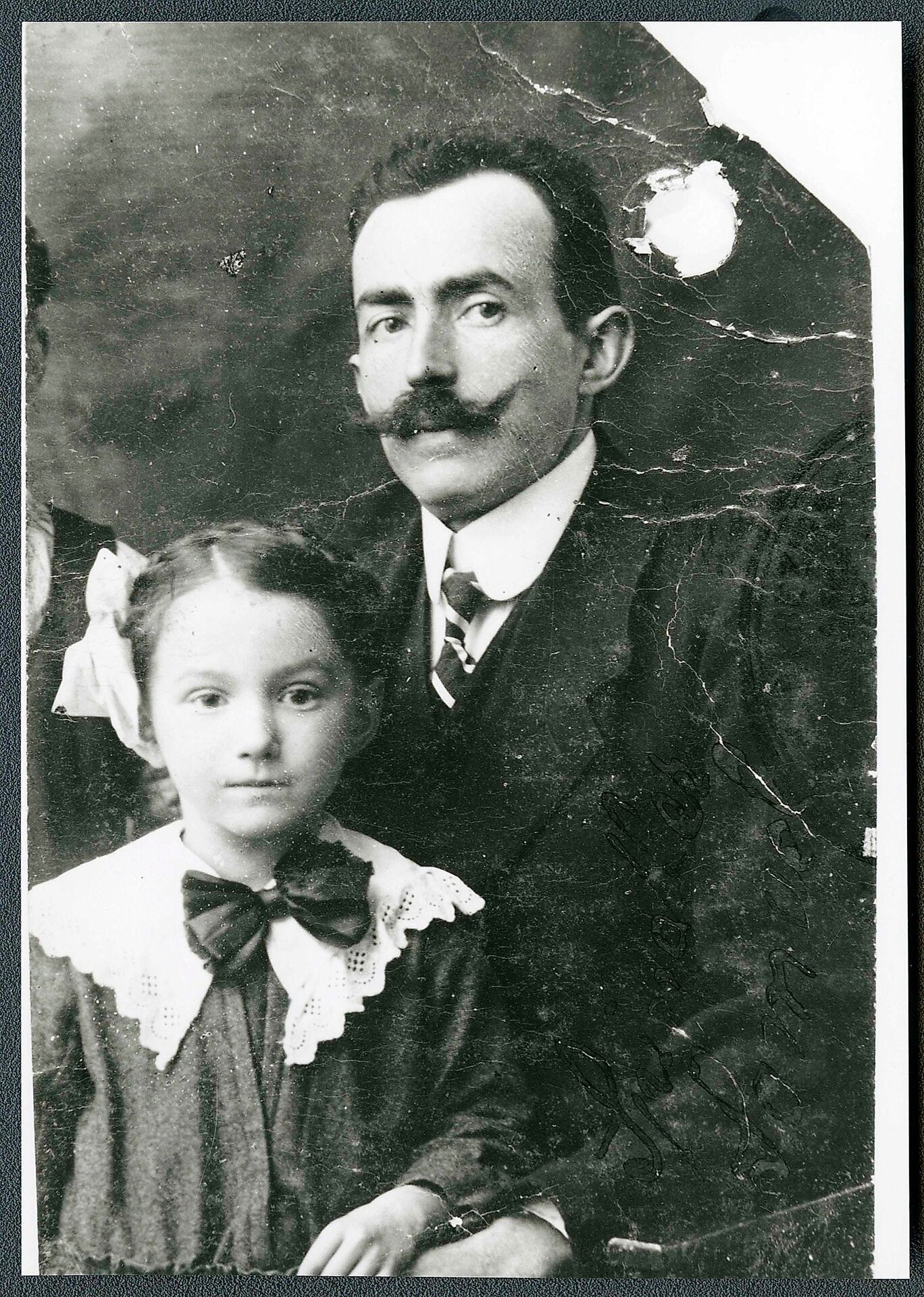
Samuel Spindler chose to take his own life to avoid deportation to a concentration camp. He was born in 1882 into a Jewish family in what is now Ukraine. From 1907 onward, he lived in Bregenz and served as a member of the Bregenz City Council and secretary of the textile workers’ union. Despite converting to the Protestant Church, he and his family were repeatedly victims of anti-Semitic attacks. With Austria’s annexation by Nazi Germany in 1938, the situation became increasingly dangerous for Spindler. Several house searches and the constant threat from the Gestapo took a toll on his health, both mentally and physically. During another summons, he was informed that he had to leave Bregenz by November 11, 1942. A postponement would have been possible only if he had worked as an informant for the Gestapo, but even in that case, deportation would likely have been inevitable. However, because he knew he would not survive this given his physical condition, he took his own life on the night of November 10–11. Spindler himself wrote in his farewell letter to his daughter Emilie:
“Of course, I could have stayed in Bregenz if I had provided the Gestapo with information about the activities of former acquaintances. Isn’t suicide more honorable?”
Plaques in red, one of which is located next to the memorial plaque at the Seekapelle, were installed in 2002 on the initiative of the Ecumenical Lake Constance Church Congress. As part of this initiative, a memorial trail was created in memory of the Bregenz victims of National Socialism, and a series of brochures was published. These brochures are available free of charge in Bregenz at the Mariahilf Parish Office (Mariahilfstraße 59) and at the Haus der Kirche (Rathausstraße 25).
Source: Series “Memorial Trail—Resistance and Persecution 1938–1945,” Edited by: Bregenz Memorial Group; Carl Lampert Forum
Regarding Samuel Spindler: http://www.hohenemsgenealogie.at/gen/getperson.php?personID=I3961&tree=Hohenems
Description
The plaque lists the names of 16 citizens of Bregenz who fell victim to the Nazi regime of terror. The memorial plaque also commemorates the victims of the so-called “euthanasia” program. Under the Nazi regime, this term was used to describe the murders of physically and mentally disabled people under the pretext of so-called “racial hygiene.” Scholarly examination of this topic began very late and is still ongoing.
Samuel Spindler
Samuel Spindler chose to take his own life to avoid deportation to a concentration camp. He was born in 1882 into a Jewish family in what is now Ukraine. From 1907 onward, he lived in Bregenz and served as a member of the Bregenz City Council and secretary of the textile workers’ union. Despite converting to the Protestant Church, he and his family were repeatedly victims of anti-Semitic attacks. With Austria’s annexation by Nazi Germany in 1938, the situation became increasingly dangerous for Spindler. Several house searches and the constant threat from the Gestapo took a toll on his health, both mentally and physically. During another summons, he was informed that he had to leave Bregenz by November 11, 1942. A postponement would have been possible only if he had worked as an informant for the Gestapo, but even in that case, deportation would likely have been inevitable. However, because he knew he would not survive this given his physical condition, he took his own life on the night of November 10–11. Spindler himself wrote in his farewell letter to his daughter Emilie:
“Of course, I could have stayed in Bregenz if I had provided the Gestapo with information about the activities of former acquaintances. Isn’t suicide more honorable?”
Plaques in red, one of which is located next to the memorial plaque at the Seekapelle, were installed in 2002 on the initiative of the Ecumenical Lake Constance Church Congress. As part of this initiative, a memorial trail was created in memory of the Bregenz victims of National Socialism, and a series of brochures was published. These brochures are available free of charge in Bregenz at the Mariahilf Parish Office (Mariahilfstraße 59) and at the Haus der Kirche (Rathausstraße 25).
Source: Series “Memorial Trail—Resistance and Persecution 1938–1945,” Edited by: Bregenz Memorial Group; Carl Lampert Forum
Regarding S. Spindler: http://www.hohenemsgenealogie.at/gen/getperson.php?personID=I3961&tree=Hohenems
Location
- Address
-
Commemorative plaque at the Lake Chapel, Bregenz
Rathausstraße 6
6900 Bregenz, Austria
(c) Amt der Vorarlberger Landesregierung - Abteilung Kultur